


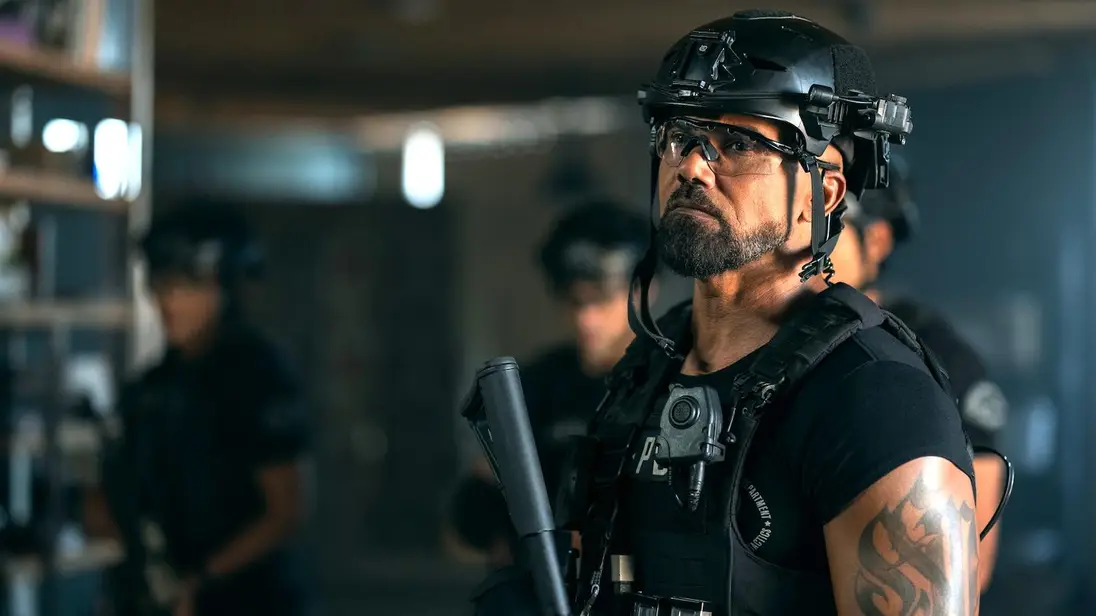
The latest installment of the long‑running police saga arrives on STARZ under the title SWAT Exiles. Fans of the original series will recognize the familiar blend of high‑octane action, muscular heroics, and a dash of swagger that has become synonymous with Shemar Moore’s portrayal of Sergeant Daniel “Hondo” Harrelson Jr. This review explores whether the new outing merely recycles a proven formula or offers something fresh for viewers craving both nostalgia and novelty.
Synopsis
Set two years after a tragic loss that forced Hondo to walk away from the LAPD SWAT unit, the story finds him living a disgraced life when his former commander, Robert Hicks, calls him back to lead a mismatched squad of rookie officers. Tasked with taking down the city’s most dangerous threats, the team must navigate personal demons, inter‑generational friction, and a series of case‑of‑the‑week mysteries while an overarching conspiracy looms in the background. The narrative balances procedural urgency with character‑driven moments, all without revealing major plot twists.
Performances
Shemar Moore slips back into Hondo’s skin with the same magnetic charm that made him a television staple. His physical presence—broad shoulders, confident stride, and that ever‑present smirk—anchors the series, delivering the testosterone‑laden appeal that longtime fans expect. Patrick St. Espirt shines as Commander Hicks, providing a stern yet paternal counterpoint that adds gravitas to the call‑to‑action scenes. The younger cast brings welcome energy: Lucy Barrett (Deep Water) offers a sharp, tech‑savvy perspective, while Ronen Rubinstein (9‑1‑1: Lone Star) injects gritty determination into the recruit dynamic. Together, the ensemble creates a balance between seasoned authority and fresh enthusiasm, keeping the interpersonal drama engaging even when the procedural beats feel familiar.
Behind the Lens
Executive production duties have shifted from Shawn Ryan to Jason Ning, known for his work on Lucifer. This change is evident in the show’s tone, which attempts to bridge Generation X and Generation Z sensibilities through dialogue about social media influence and modern policing challenges. However, the execution occasionally leans on influencer clichés, making the cultural commentary feel superficial rather than incisive.
Visually, SWAT Exiles adopts a stripped‑down aesthetic: the team operates out of a modest office, lacking the glossy gadgets and expansive sets of its predecessor. This modest backdrop lends the series a Dirty Dozen‑like grit, emphasizing camaraderie over spectacle. The iconic “Rhythm Heritage” theme blares during Hondo’s re‑entry, serving as a nostalgic cue that signals the return of the character’s swagger.
Final Verdict
SWAT Exiles does not reinvent the procedural wheel; instead, it confidently reloads a tried‑and‑true formula that has kept audiences tuned in for years. The series delivers exactly what its title promises—plenty of bullets, brawn, and swagger—while offering a comfortable viewing experience for those who enjoy weekly, case‑driven storytelling.
Shemar Moore’s star power remains the show’s strongest asset, turning each episode into comfort food for the dad‑TV crowd and a occasional thirst trap for viewers drawn to his charismatic presence. Although the show’s attempts at contemporary relevance sometimes fall flat, the core appeal lies in its reliable execution and the pleasure of watching Moore lead a rag‑tag team against the city’s darkest threats. For fans of the original SWAT legacy and newcomers seeking a solid, action‑packed procedural, SWAT Exiles earns a respectable recommendation.
Also Read:
STARZ Drops High-Octane Trailer and Key Art of “SWAT Exiles”