

When The Remarried Empress landed on Disney+ and Hulu on 3 November 2026, it brought a beloved Korean web‑novel to a global audience. The series blends fantasy romance with courtly politics, dressing an imagined monarchy in the stone‑cobbled splendour of Germany and the Czech Republic. Rather than attempting a strict historical recreation, the show uses those locations as a visual shorthand for entrenched privilege, letting the costume‑rich world speak louder than any lecture on lineage. The result is a lush, binge‑worthy drama that asks viewers to admire the glitter while questioning the price paid for it.
Synopsis
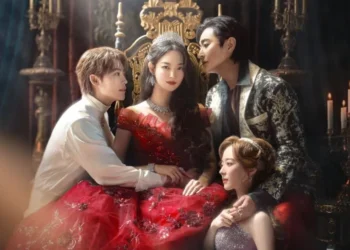
Navier, the empire’s clever empress, faces a personal crisis when her husband, Emperor Sovieshu, demands a divorce to wed his favourite mistress. In a bid to retain her status—and perhaps protect the throne—she petitions to marry a neighbouring prince. The ensuing tug‑of‑war between duty, desire and dynastic survival unfolds across opulent hallways, whispered conspiracies and magical hints that hint at deeper forces shaping the kingdom’s fate.
Performances
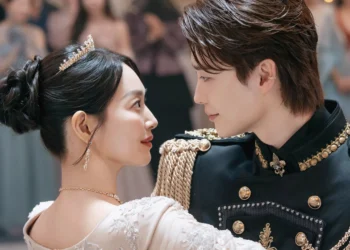
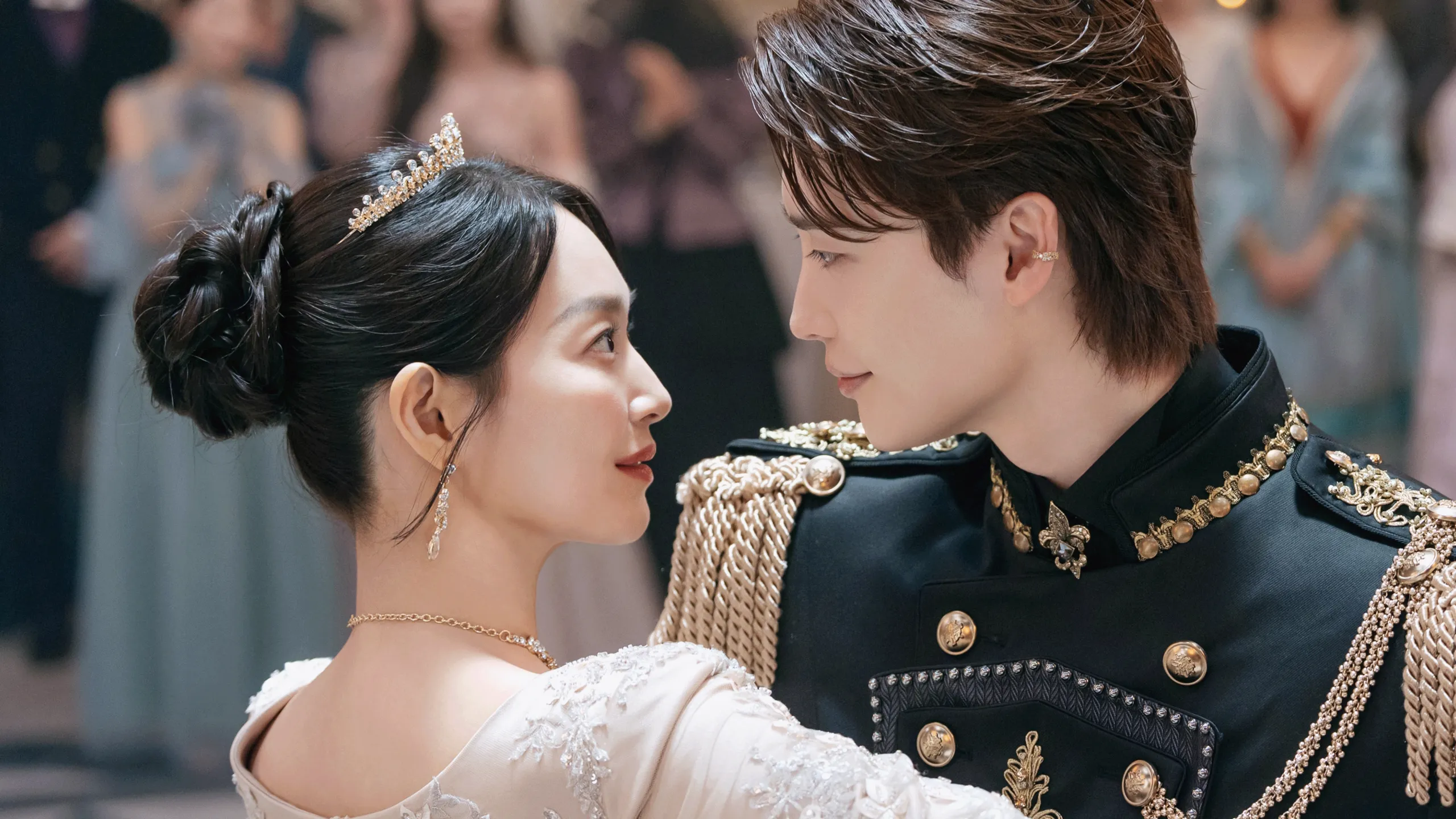
Shin Min‑a commands the screen as Empress Navier, delivering a study in restrained anguish. Her subtle cues—a fleeting glance, a clenched jaw, a breath held just long enough—convey a storm of emotion without breaking the decorum expected of royalty. This nuanced portrayal lets viewers feel both her hurt and her competence, challenging the notion that vulnerability must equal weakness.
Lee Jong‑suk’s Prince Heinrey enters as a enigmatic ally, first appearing as a guiding white bird and later in human form. His playful chemistry with Navier injects a fresh romantic current, while his concealed identity adds layers of dramatic irony that keep the audience guessing.
Ju Ji‑hoon portrays Emperor Sovieshu with an unsettling swiftness; the shift from affectionate spouse to cold authoritarian feels jarringly abrupt, which serves to heighten Navier’s plight but limits the depth of his own arc. Lee Se‑young’s Rashta, introduced as a frightened escapee seeking shelter, gradually morphs into a one‑note rival. Though her early scenes elicit sympathy, the narrative soon reduces her to a petty antagonist, undercutting the complexity suggested by her backstory.
Behind the Lens
The production design deserves applause. By filming in authentic German and Czech palaces, the series grants its fabricated monarchy an air of timeless legitimacy. The sweeping staircases, gilded salons and manicured gardens do more than set a scene—they visually argue that power is as much about architecture as it is about bloodlines.
Costume work further sharpens the social divide. Navier’s austere, tailored gowns project authority, while Rashta’s pastel, doll‑like dresses whisper of fragility and dependence. These choices allow the audience to read alliances at a glance, an economical storytelling tool for a series dense with political maneuvering.
Special effects are used sparingly but effectively. The magical bird that aids Navier’s escape feels grounded rather than fantastical, reinforcing the theme that enchantment can be a practical tool rather than a deus ex machina. The series leans into its world‑building through character decisions rather than exhaustive lore dumps, keeping the pacing brisk.
Final Verdict
The Remarried Empress succeeds as a sumptuous escape, marrying visual opulence with a tightly wound emotional core. Shin Min‑a’s measured performance anchors the show, granting gravitas to a narrative that could otherwise drift into melodrama. The romance with Prince Heinrey supplies warmth and forward momentum, whereas Sovieshu’s sudden cruelty and Rashta’s narrowed portrayal tilt the balance toward a more simplistic good‑vs‑evil dynamic.
Politically, the series hints at the weight of succession and reproductive pressure but never fully excavates the systemic implications; the intrigue remains surface‑level compared to the meticulous wardrobe. In short, the drama offers genuine pleasure for fans of lush romances and courtly intrigue, yet it leaves room for a deeper exploration of the very mechanisms that make the empire tick. For viewers who enjoy gorgeous aesthetics paired with a strong, conflicted heroine, this series is a worthy addition to the watch‑list—just bring a willingness to admire the façade while questioning what lies beneath.
Also Read:
From Webtoon to Masterpiece: How Disney+ Brought “The Remarried Empress” to the Screen
Shin Min Ah Takes the Crown in Disney+ Fantasy Romance “The Remarried Empress