

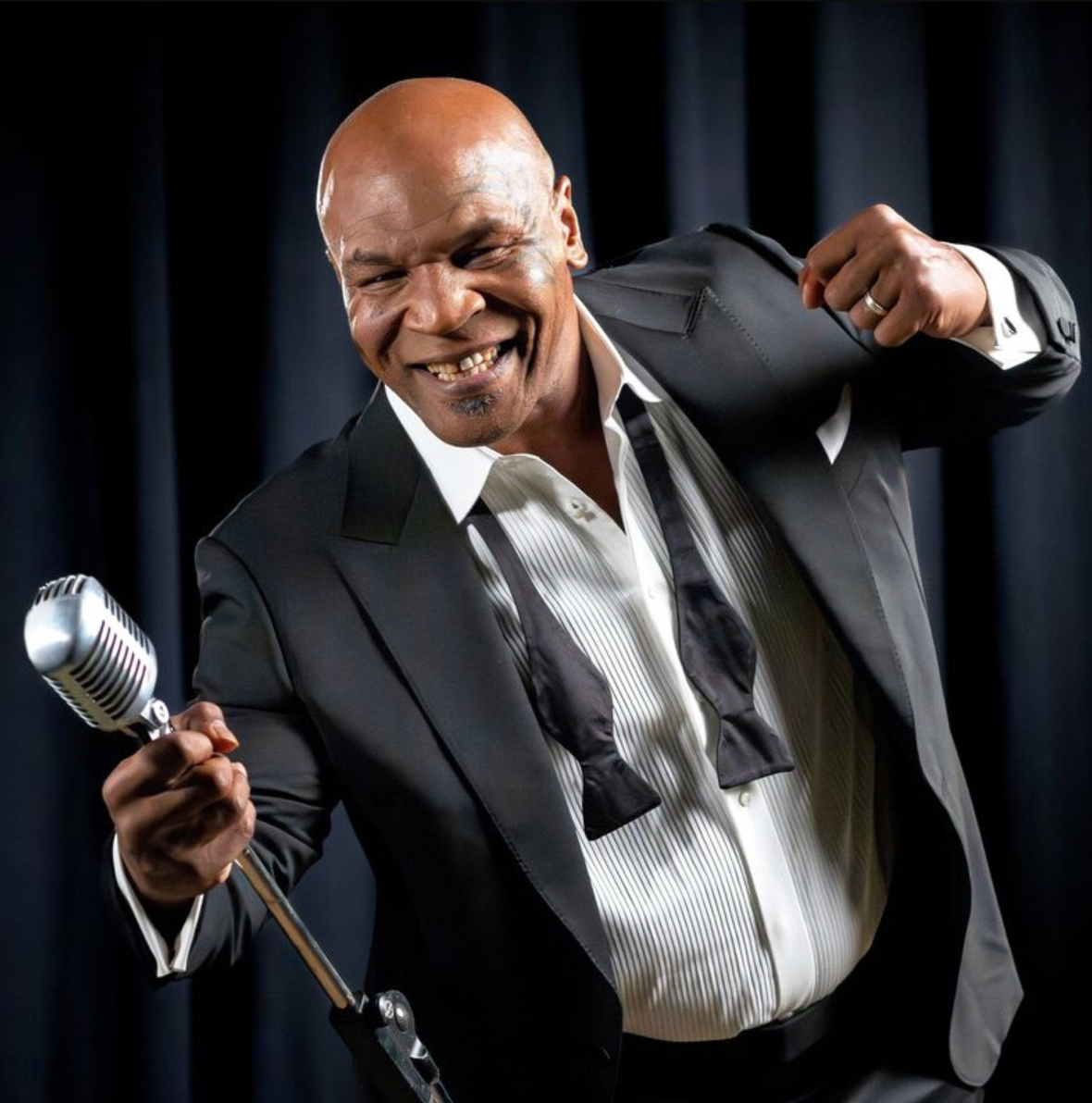
A Fresh Look at the Champ’s One‑Man Show
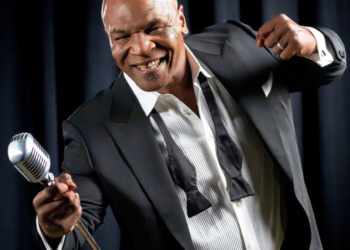
When Mike Tyson steps onto a stage today, the audience no longer sees only the feared brawler of the 80s and 90s. Instead, they encounter a storyteller who has swapped his trademark menace for a mischievous wit. Netflix’s latest offering, Mike Tyson: Return of the Mike, captures that transformation in a tightly crafted solo performance written and directed by his longtime partner, Kiki Tyson.
From Undisputed Truth to a New Comedy Chapter
Undisputed Truth – the HBO special that first let Tyson speak his own truth – laid the groundwork for this newer venture. While that earlier piece felt more like testimony, the current special is positioned outright as comedy. The shift is not merely tonal; it reshapes the contract between performer and audience. Where testimony asks for belief, comedy demands consent to laugh, turning each spectator into an active participant in the narrative.
Kiki Tyson, who co‑wrote Undisputed Truth with Randy Johnson, now assumes full creative control as writer and director. Her intimate view of Tyson’s life – shared under the same roof – allows her to shape the material with both empathy and precision. The result is a show that feels less like a confession and more like a carefully staged reckoning.
What the Show Covers
Recorded before a ticketed crowd at the Seminole Hard Rock Hotel & Casino in Hollywood, Florida, the special walks through pivotal chapters of Tyson’s biography: his early boxing rise, turbulent relationships, battles with addiction, brushes with the law, and his recent ventures into podcasting and public speaking. Rather than a dry chronicle, the material is threaded with punchlines that expose the absurdity behind the pain.
Critics have noted that the special does not shy away from difficult topics. Addiction and mental health surface repeatedly, positioning the laughter as a potential coping mechanism rather than an escape route. The humor works because the audience already knows the stakes; each joke carries a quiet reminder of the cost behind the smirk.
The Writer‑Director Dynamic
A rare arrangement in modern comedy places the writer’s room inside the marriage itself. Kiki Tyson’s dual role as scribe and filmmaker ensures that the voice on the page survives intact through the edit. This continuity contrasts with the typical split between stage writers and screen directors, where nuances can get lost in translation. Here, a single line of authorship runs from script to final cut, preserving the subtleties of timing and emphasis that make a live set resonate on screen.
From Stage Tour to Netflix Capture
Before the cameras rolled, Return of the Mike toured select Hard Rock Live venues, beginning in Rockford, Illinois, moving through Cincinnati, and finishing with a final run in Atlantic City. This road‑test approach allowed the material to breathe in front of real audiences, refining timing and gauging which anecdotes landed hardest. Tyson himself framed the Netflix partnership as a natural extension of the tour: “thanks to Hard Rock and Netflix we’re also going to bring Return of the Mike to the world.”
Adapting a solo act for streaming presents its own challenges. The immediacy of a live room—where a performer can stretch a pause or quicken a jab based on crowd energy—must be retained for viewers who may watch at their own pace. By having Kiki Tyson also direct the filmed version, the production safeguards the original rhythm, ensuring that the pulse of the performance survives the transition from stage to screen.
Marketing, Persona, and the “Unfiltered” Question
Netflix’s promotional copy leans on the iconic image of Tyson as “the baddest man on the planet,” promising proof that he might also be “one of the funniest.” This framing acknowledges a central tension: a reputation built on fear does not vanish simply because the lights change. Both the casino audience and the at‑home viewer arrive carrying that legend, and the show must work with—and against—those expectations.
The piece raises a provocative question about what “unfiltered” truly means. No performance reaches an audience without some filter; the relevant inquiry is who holds that filter. In this case, the filter is not a distant editor or a network exec but Tyson’s collaborator, the person who shares his life and stakes. This intimacy offers a rarer brand of authenticity, one that invites the audience to consider not just what is said, but why it is allowed to be said.
Verdict
Mike Tyson: Return of the Mike succeeds as a comedy special that balances levy with gravity. It offers laughs that are earned, not gratuitous, and it invites the audience to reflect on the line between owning a narrative and being owned by it. For fans of Tyson, the show provides a fresh perspective on a life often reduced to headlines; for comedy lovers, it delivers a well‑crafted set that proves humor can emerge from even the darkest chapters.
Release Information
- Premiere Date: November 3, 2026 (worldwide on Netflix)
- Format: Stand‑up special (not a documentary)
- Documentary Companion: TYSON (four‑part series) launches October 13, 2026 on Netflix
- Taping Date: December 14, 2025, at Seminole Hard Rock Hotel & Casino, Hollywood, Florida
- Creative Team: Written and directed by Kiki Tyson; Executive producers – Mike Tyson, Kiki Tyson, Marc Lieberman
- Predecessor: Undisputed Truth (HBO, November 16, 2013)
Also Read:
“Tyson” Review: The Rise, Fall, and Reinvention of a Heavyweight Legend
From Brooklyn Streets to Global Icon: Netflix Unveils New Docuseries “TYSON”