

Paramount Pictures brings Heart of the Beast to theaters on September 25, 2026, positioning it as a survival thriller that leans heavily on the chemistry between a battle‑scarred Special Forces veteran and his loyal combat dog. Directed by David Ayer and photographed by Mauro Fiore, the film promises a stark Alaskan backdrop, a grizzled performance from Brad Pitt, and a meditation on trust that refuses to shy away from physical detail. In the following review we unpack what works, where the narrative stumbles, and why the movie manages to feel both formulaic and unexpectedly sincere.
Synopsis
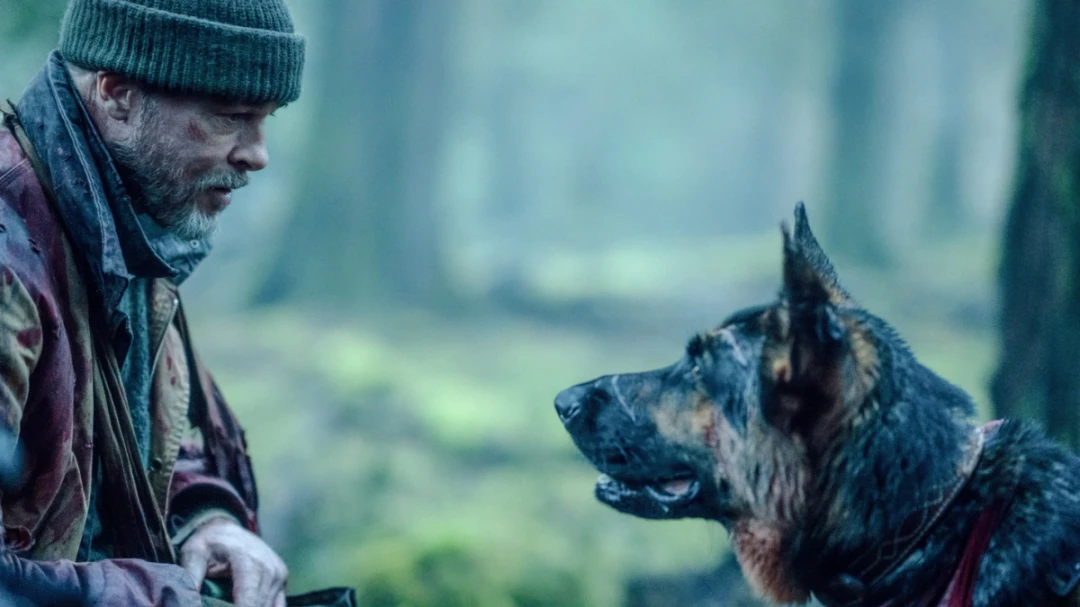
After a routine patrol goes awry, former officer James Belmont (Brad Pitt) crashes his plane deep in the Alaskan wilderness with Odin, a German shepherd equipped with a prosthetic leg and titanium teeth. Stranded nearly sixty miles from the nearest road, James must contend with a failing heart, harsh weather, and predators while relying on Odin’s instincts to stay alive. The story follows their grueling trek toward civilization, testing the limits of endurance, loyalty, and the quiet ways humans and animals communicate when words fail.
Performances
Brad Pitt delivers one of his most restrained turns in recent years. Rather than leaning on his star‑power charisma, Pitt lets James’ vulnerability surface through subtle gestures—checking a compass, massaging Odin’s stump, or simply staring into the distance. His physical decline feels genuine, and the audience watches the myth of invulnerability erode scene by scene.
Odin, portrayed primarily by a German shepherd named Uber (with three doubles for specific actions), avoids the trap of being a mere emotional prop. The dog’s eyes convey urgency, fatigue, and affection without a single bark, thanks to a blend of rigorous training, careful editing, and Pitt’s natural reactions. J.K. Simmons appears briefly as Watkins, offering a verbal foil that underscores the isolation that will soon dominate the pair’s experience. The supporting cast is minimal, which keeps the focus squarely on the central partnership and the visceral realism of their struggle.
Behind the Lens
David Ayer’s direction emphasizes tactile detail over frantic cutting. The crash sequence unfolds with deliberate pacing, allowing the audience to feel the weight of metal and snow rather than relying on rapid edits to manufacture tension. Mauro Fiore’s cinematography captures the grandeur of the Alaskan landscape—standing in for New Zealand’s vistas—while simultaneously framing the characters’ frailty against vast, indifferent skies. This contrast reinforces the film’s central idea: nature is not a villain but a backdrop that highlights the internal battle between James and Odin.
The sound design leans heavily on ambient wind, cracking ice, and the subtle rhythm of a breathing dog, making the quieter moments resonate as loudly as any action set‑piece. While some CGI animals occasionally betray a “software” sheen, the practical effects—especially the prosthetic leg and the tactile handling of Odin’s gear—ground the fantasy in palpable reality.
Final Verdict
Heart of the Beast marries an earnest, almost bureaucratic depiction of perseverance with genuine emotional beats that never feel forced. Ayer’s willingness to showcase the mechanics of survival—map reading, wound care, the simple act of moving forward—creates a rhythm that makes the eventual payoff feel earned rather than manufactured. Brad Pitt’s steady erosion of his on‑screen immortality adds weight to the narrative, and Odin’s silent presence provides a steady heartbeat that guides the viewer through the harsh terrain.
Although the film occasionally leans on familiar tropes—early reassurances that certain fears can be put aside, a predictable arc toward catharsis—its strength lies in the physical specificity of the journey. The relationship between man and dog is stripped down to its most literal form, yet the surrounding adversity ensures that the sentiment never feels cheap. For audiences seeking a thriller that respects both the body and the bond that drives it, Heart of the Beast delivers a compelling, if imperfect, ride that earns its tears through honest, unglamorous effort.