

Netflix’s latest foray into the world of its flagship phenomenon arrives with Stranger Things: Tales From ’85. This animated prequel attempts to expand the universe but instead delivers a perplexing and ultimately hollow experience that feels more like a corporate calculation than a creative necessity.
An Ill-Timed Journey to the Past
The release strategy itself raises eyebrows. Debuting a mere four months after the polarizing series finale of the main show, this spin-off allows no breathing room for audiences to process the ending. This aggressive pacing underscores Netflix’s relentless drive to franchise one of its most original hits, a plan already evident in its stage plays, novels, and video games. However, this move overlooks a significant obstacle: the fresh wave of fan discontent surrounding Stranger Things‘ final season.
A Narrative That Leads Nowhere
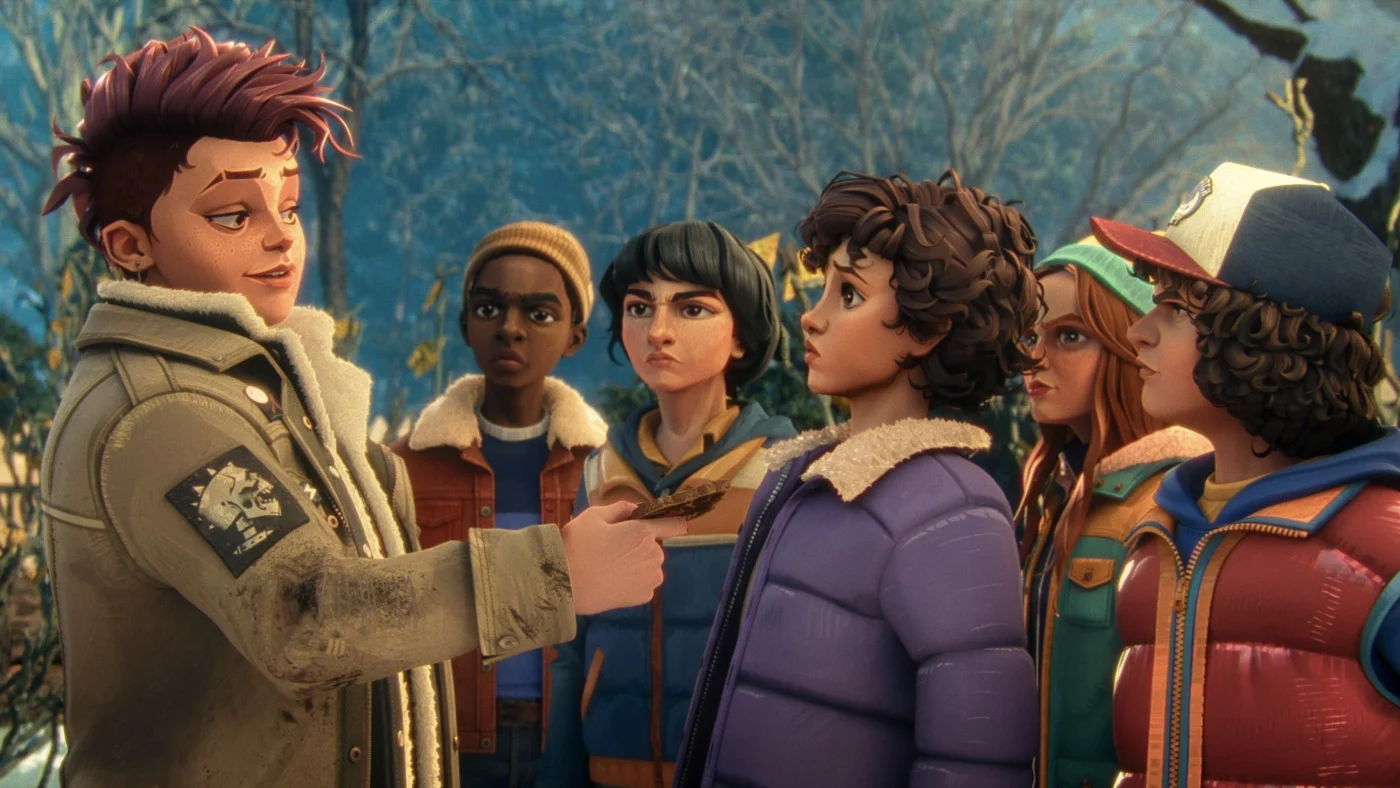
Set in the winter of 1985, nestled between seasons two and three, the story follows Mike, Eleven, Dustin, Lucas, Will, and Max as they face a new onslaught of creatures from the Upside Down. While the animation by Flying Bark Productions is dynamic and visually sumptuous, echoing the painterly style of hits like “Arcane,” the narrative itself is structurally flawed. The perilous events of this winter—from burrowing “snow sharks” to aggressive “Jerk-O-Lanterns”—are never once mentioned in the subsequent live-action seasons. This creates a glaring plot hole, rendering the entire adventure inconsequential to the overarching mythology.
The Introduction of a Doomed Character
The series introduces Nikki Baxter, a punk newcomer voiced by Odessa A’zion, who becomes fast friends with the party. While she is a well-designed and welcome addition, her presence is overshadowed by the inevitable question of her fate. Since she is absent from all future events in Hawkins, viewers are left to wonder if she met a tragic end or simply moved away, a narrative limbo that undermines any emotional investment.
Animation Versus Canon
The freedom of animation allows for spectacular displays of Eleven’s psychic powers, but these feels inconsistent with her established capabilities at that point in the timeline. Furthermore, the absence of the original cast’s voices creates an uncanny valley effect. While the new voice actors deliver solid performances, their efforts cannot fully replicate the charm and chemistry that defined the live-action series, making these versions feel like pale imitations.
The Bottom Line: Franchise Over Substance
Stranger Things: Tales From ’85 is a visually impressive but creatively bankrupt addition to the franchise. It seems designed to exploit nostalgia for the show’s earlier, more beloved seasons rather than offer a meaningful expansion of its story. For a franchise to thrive, it requires more than just brand recognition; it needs heart and purpose. This animated detour, unfortunately, has lost its way to the Upside Down.
Stranger Things: Tales From ’85 is now streaming on Netflix.
Also Read:
Return to Hawkins: “Stranger Things: Tales From ’85” Unleashes an All-New Animated Mystery