

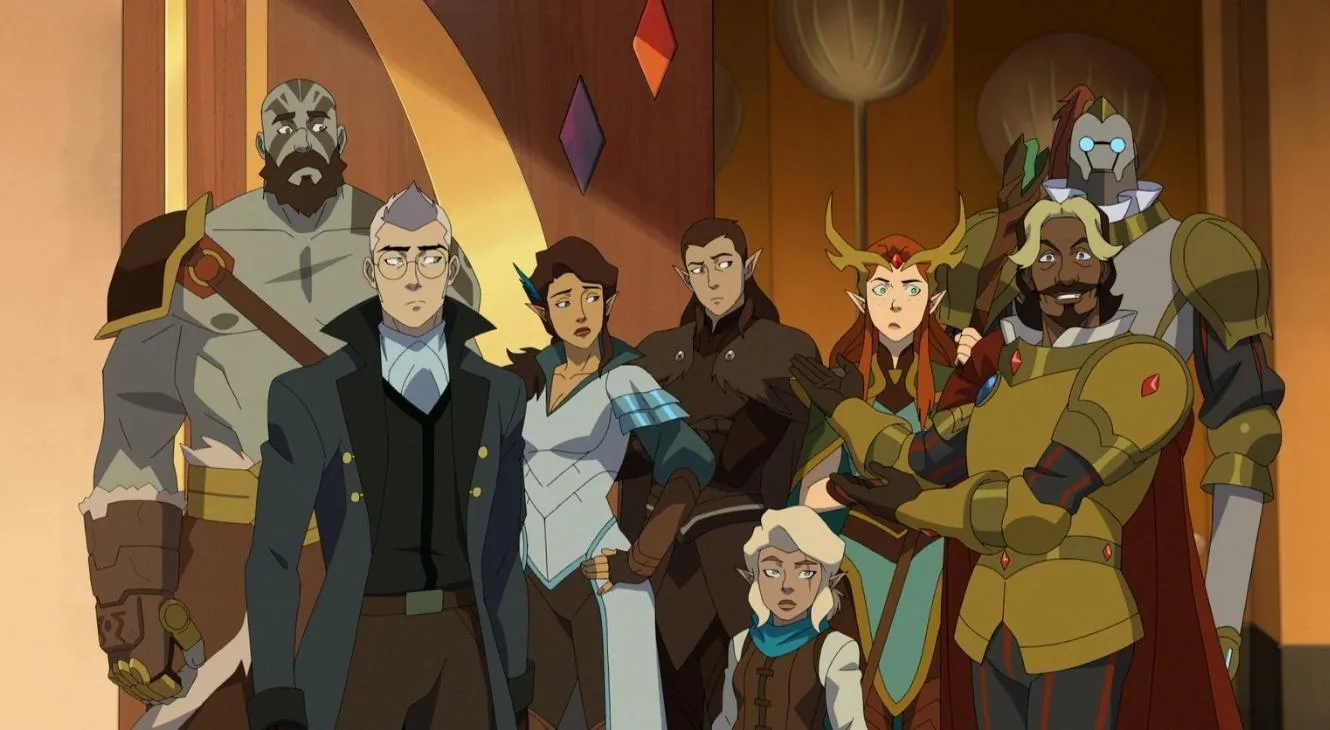
When The Legend of Vox Machina first premiered, it breathed new life into the world of animated television, transforming a beloved Dungeons & Dragons campaign into a visually stunning and emotionally resonant series. Now, Season 4 arrives not merely as another chapter in an ongoing adventure, but as a profound meditation on what happens after the heroes save the world. This fourth installment proves that the series has matured significantly, trading some of its earlier bombast for a richer, more nuanced exploration of character psychology and the lasting impact of violence and sacrifice. The result is a season that hits harder emotionally than any of its predecessors while maintaining the fantasy adventure that fans have come to cherish.
What makes this season particularly compelling is its willingness to slow down and examine the lives of its protagonists in the quiet moments between battles. Rather than immediately thrusting the party into another high-stakes conflict, the narrative takes meaningful time to explore how the aftermath of trauma manifests in different ways. This approach might surprise viewers expecting the relentless pace of previous seasons, but it ultimately serves to deepen our connection to these characters in ways that purely action-driven storytelling rarely achieves.
Synopsis
Set approximately one year after the dramatic conclusion of the Chroma Conclave arc, Season 4 finds the members of Vox Machina living separate lives, each grappling with their own version of post-heroic existence. The adventure that once defined their camaraderie has given way to individual journeys of self-discovery, loneliness, and the struggle to find meaning beyond the battles they have fought together.
Their tenuous attempts at normalcy are short-lived, however, as a dormant evil awakens, forcing the party to reunite against threats both familiar and newly emerged. The season masterfully balances the urgency of this new conflict with intimate character studies, creating a narrative fabric that weaves personal growth seamlessly into the larger fantasy adventure. The Chroma Conclave’s shadow continues to loom over the story, manifesting not through physical villains this time, but through the psychological wounds left in its aftermath.
Characters
The character work in Season 4 represents the series at its most sophisticated, with each protagonist receiving meaningful development that feels earned rather than imposed upon them by the plot’s demands.
Pike undergoes perhaps the most dramatic transformation this season. The gnome cleric, once a pillar of unwavering faith and optimism, appears visibly worn by the weight of her responsibilities. Her struggle with burnout and religious doubt represents uncharted territory for the character, exploring how those who dedicate their lives to helping others eventually confront their own depleted reserves. The season handles her crisis of faith with remarkable sensitivity, never reducing it to simple despair but rather presenting it as a complex negotiation between personal limitation and divine calling. Her scenes crackle with emotional intensity, particularly those exploring the guilt she carries over past failures and the exhaustion that comes from perpetually putting others’ needs before her own.
Travis Willingham’s portrayal of Grog continues to be a masterclass in animated voice acting, demonstrating that barbarian characters can carry profound emotional weight beneath their muscular exteriors. His scenes with Pike stand among the season’s most affecting, revealing the depth of their friendship and the genuine concern he holds for his longtime companion. Willingham manages to convey vulnerability through Grog’s characteristic bravado, creating moments that resonate long after the credits roll.
Vax’ildan’s internal struggle serves as another emotional anchor throughout the season. His ongoing battle with the blight that afflicts him functions as both a personal crisis and a metaphor for the persistent trauma that follows those who have faced mortal danger. Ashley Johnson brings her signature depth to Pike, while the relationship dynamics between Vax’ildan and Keyleth receive particularly nuanced treatment. Keyleth’s frustration and heartbreak as she watches her companion decline provides some of the season’s most poignant emotional beats, capturing the particular anguish of supporting someone you love through an impossible situation.
The chemistry among the entire ensemble remains exceptional, with scenes involving Percy and Vex’ahlia contributing their own brand of emotional complexity to the overarching narrative. Each character feels fully realized, their interactions reflecting the kind of shorthand that develops only between people who have faced death together and emerged transformed.
Behind the Lens
The animation department deserves considerable credit for elevating the season’s emotional content through visual storytelling techniques that have clearly evolved since the series began. The representation of new creatures maintains the high standard established in previous seasons, with designs that feel both fresh and authentically integrated into the established fantasy world. The action sequences, while somewhat less frequent than in past installments, demonstrate improved fluidity and cinematic ambition.
What truly distinguishes the animation this season is its willingness to convey internal states visually. Characters’ expressions carry more subtlety than ever before, reflecting the psychological complexity of the narrative without requiring explicit verbal articulation. The magical confrontations, when they occur, are rendered with a scope and dynamism that makes them feel genuinely consequential rather than routine spectacle. The color palette shifts subtly to reflect the season’s darker tonal register, with certain sequences employing visual metaphors that reward attentive viewing.
The voice performances, as one would expect from a cast of Critical Role veterans, consistently hit their marks. The familiarity these performers have with their characters shines through in every line, lending authenticity to moments that might otherwise feel manipulative. The decision to allow certain scenes to breathe, giving performers space to explore emotional registrie under less pressure to advance the plot, pays significant dividends in terms of audience engagement.
Final Verdict
The Legend of Vox Machina Season 4 represents a mature evolution for a series that could have easily rested on its considerable laurels. By choosing introspection over endless action, the creative team has crafted a season that resonates on a deeper emotional level than its predecessors while maintaining the fantasy adventure elements that define the franchise. The character development here is genuinely profound, treating mature themes with the seriousness they deserve without sacrificing the wonder that makes animated fantasy so appealing.
This is a season that understands heroes are not defined solely by their victories but by how they live with the costs of those victories. It explores survivor’s guilt, burnout, and the struggle to find meaning after achieving improbable triumph with impressive sophistication. While some viewers might miss the breakneck pacing of earlier seasons, those willing to embrace this more contemplative approach will find rich emotional rewards.
For both longtime fans and newcomers seeking a sophisticated entry point into the world of Vox Machina, Season 4 delivers an experience that entertains while genuinely moving. It stands as proof that animated television can tackle complex emotional territory while maintaining the genre elements that draw audiences to fantasy adventures in the first place.
The Legend of Vox Machina Season 4 launches June 3 2026 on Amazon Prime Video with a three‑episode premiere, then drops fresh three‑episode sets every Wednesday.