

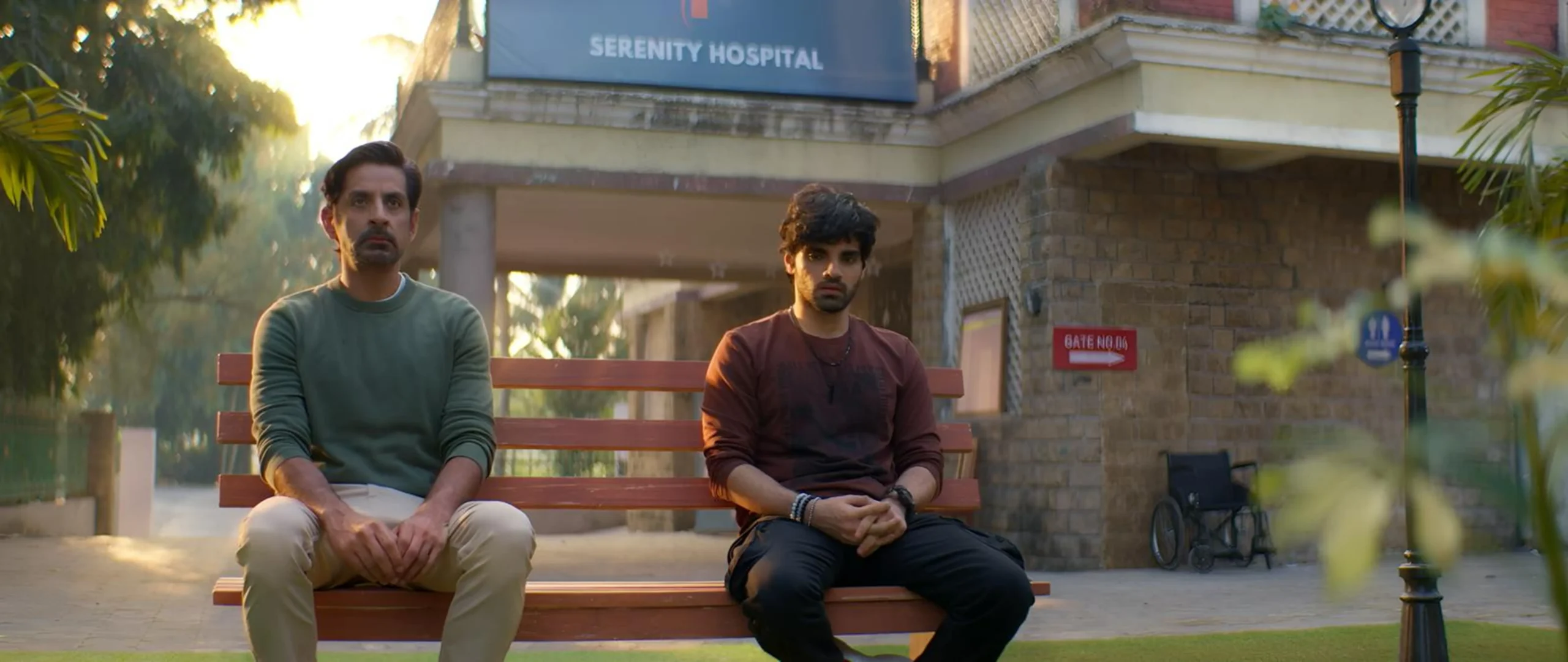
When a film dares to step into the delicate realm of passive euthanasia, expectations rise quickly. Mercy, the debut feature from director Mitul Patel, attempts exactly that, approaching the subject with genuine empathy. The result is a thought‑provoking piece that raises essential questions about hope, acceptance, and the weight of decision‑making. Yet, despite its sincere intent, the film occasionally falters in translating that depth into a consistently captivating cinematic journey.
Story
Mercy follows the Vasudeva family as they grapple with the aftermath of a catastrophic accident that leaves the mother, Sujata, in a comatose state. What begins as a straightforward medical crisis swiftly evolves into a profound moral and emotional crossroads. The eldest son, Shekhar (Raj Vasudeva), becomes the fulcrum of the narrative. Having experienced personal loss he could not control, he now confronts a decision that could define not only his future but also the family’s collective sanity.
Financial pressures mount, emotional fatigue deepens, and hope begins to feel like an oppressive burden. The screenplay subtly reveals how each family member negotiates their own version of grief and responsibility. While the premise invites comparisons to age old classics—where love and sorrow interweave—the film’s approach is more tentative. It circles the central dilemma rather than propelling toward it, leaving the audience yearning for a more direct confrontation with the question: what does it truly mean to let go?
Performances
The cast’s commitment is the bedrock that keeps Mercy grounded. Aparna Ghoshal delivers a standout portrayal of Sujata, infusing the character with lived‑in wisdom and quiet strength. Her scenes feel fully realized, providing the emotional anchor the story desperately needs. Adil Hussain, in a brief yet impactful cameo as Father Joel, brings immediate clarity and depth, showcasing his signature restraint.
Raj Vasudeva conveys Shekhar’s internal turmoil with earnestness, especially in moments where the weight of responsibility threatens to crush him. The film’s supporting players—Kunal Bhan and Niharica Raizada—offer sincere performances, though the writing sometimes leaves them with limited room to fully explore their arcs. The ensemble collectively lends authenticity, yet it is Ghoshal’s performance that lingers longest after the credits roll.
Behind the Lens
Director Mitul Patel shows promise with his debut, demonstrating a clear grasp of the thematic stakes. However, his storytelling choices occasionally undermine the narrative’s momentum. Scenes often feel like isolated vignettes rather than stepping stones building toward a larger emotional crescendo. Dialogues occasionally sound rehearsed, with thoughts articulated before they are felt, which dulls the immediacy that a subject as sensitive as passive euthanasia demands.
The pacing adds another layer of complexity. The film takes its time to reach the core conflict, causing emotional investment to wane before the central question finally emerges. While the cinematography and music support the mood without overwhelming it, they remain in a safe zone, failing to elevate the material to higher dramatic heights. The editing could have tightened the flow, creating a more cohesive experience akin to the measured silence.
Final Verdict
Mercy is a film that merits attention for its willingness to tackle an underexplored moral issue in mainstream storytelling. Its heart lies in the right place, and the performances—especially those of Aparna Ghoshal and Adil Hussain—provide valuable moments of authenticity. Nevertheless, the execution lags behind its ambitions. Disconnected scenes, overly stated dialogues, and a hesitant pacing prevent the film from achieving the immersive resonance it seeks.
In the end, Mercy leaves viewers with ideas rather than deep feelings—a reflection of a work still in the process of finding its cinematic voice. With sharper writing and more decisive storytelling, the film could have transformed its thoughtful premise into a lasting emotional experience. As it stands, Mercy remains a promising first step for Patel and a notable conversation starter about life, death, and the quiet courage of letting go.