


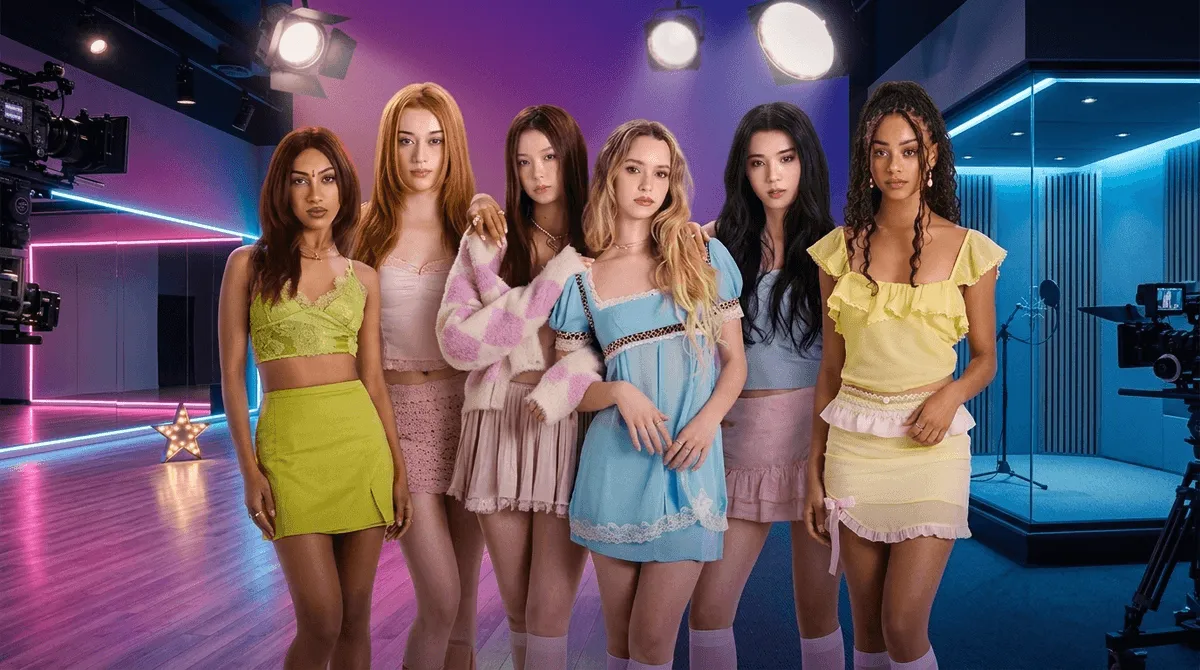
Seeing the latest KATSEYE documentary feels comparable to watching a posthumous feature from a beloved performer who left too soon. Filmed before its August 2026 release, the project arrived just after the group’s leader, Sophia Laforteza, announced a “temporary” hiatus to address her mental‑health needs. Fans reacted with alarm, flooding X with concerns that the six‑member ensemble had been reduced to four active participants. Manon, the sole Black member, also stepped away on a similar break, yet her presence in the film is relegated to archival clips, giving the impression of erasure rather than a pause.
Context & Hiatus
The hiatus narrative frames the documentary’s tone. While the members speak openly about needing space for personal well‑being, the visual storytelling often treats their absences as footnotes. This contrast fuels a sense of unease among viewers who wonder whether the hiatus is truly temporary or a prelude to a more permanent shift. The film does not shy away from acknowledging the pressure cooker environment that K‑pop idols inhabit, positioning the hiatus as both a symptom and a potential catalyst for change.
Opening Tech Hook
Instead of the usual reminder to silence phones, the film opens with an invitation to pull out a second screen. A QR code appears, directing fans—referred to as Eyekons—to a downloadable commemorative ticket that mimics an NFT. Director Nadia Hallgren, a protégé of Kirsten Johnson, embraces this tech‑savvy gesture, acknowledging that the documentary is best experienced while scrolling through a handheld device. The opening sequence sets a tone that blurs the line between cinematic observation and participatory fandom.
Creative Process – or Lack Thereof
The core of the documentary follows the quintet from their 2024 debut through their most recent “era.” Surprisingly, the members show little curiosity about how their music is made. They repeatedly reference the first time they heard the track “Gnarly,” describing the emotions it evoked or the choreography it inspired, yet they rarely discuss songwriting, production, or arrangement. Alice Longyu Gao, credited with composing the demo, is never named on‑screen; the song seems to materialize out of thin air, as if delivered by mythical storks from Hybe and Geffen Records.
When the group does discuss their latest material, they rely on vague adjectives such as “bold” and “mature,” leaving the audience to infer what those terms signify. Lara emerges as the sole writer highlighted, weaving the teammates’ stories into the heartbreak anthem “UNLOVEU.” Her process hints at a deeper narrative potential that the film only teases, suggesting there may be more to KATSEYE than what the documentary displays.
Visual Style & Phone‑Centric Narrative
Hallgren leverages smartphone imagery throughout the runtime. Reaction videos, fancams, and TikTok‑style clips occupy a substantial portion of the film, mirroring how Generation Z consumes K‑pop content. The director’s fascination with Gen‑Z aesthetics is evident in split‑screen interviews where two members answer questions with almost identical phrasing; their overlapping dialogue underscores the group’s intimacy. This technique not only highlights their camaraderie but also reinforces the idea that the documentary is as much about fan interaction as it is about the artists themselves.
Behind‑the‑Scenes Contributions
Unlike many idol‑focused documentaries that relegate choreographers and performance directors to the background, KATSEYE: Wild Hearts grants them notable screen time. Grant Gilmore shares an emic account of his occasionally off‑kilter, eclectic choreography, revealing the thought and personality embedded in each movement. Another performance director elaborates on the colour palette and visual motifs for the music video “Gabriella,” spotlighting the artistry that shapes the group’s public image. These segments clarify who the true “capital‑A” artists are behind the polished performances.
Fan Service & Closing Sections
The final twenty minutes veer into familiar territory: effusive praise for the Eyekons, repetitive affirmations of “we do it for the fans,” and a somewhat apologetic tone aimed at deflecting online speculation about the hiatuses. One member thanks fans for always “defending” the group, a phrase that feels discordant with the film’s actual content but is inserted nonetheless. The section lacks depth—there are few interviews exploring what being an Eyekon truly means to dedicated supporters—making the closure feel more ritualistic than revelatory.
Final Verdict
KATSEYE: Wild Hearts presents a paradox. It captures a globally successful girl group equipped with multilingual appeal and chart‑topping potential, yet it also documents a unit fractured by hiatuses and mental‑health strains. The film’s strongest moments arise when it steps back from idol worship to examine the creative minds shaping the performances and the digital habitats where fans reside. However, its reliance on superficial fan accolades and its reluctance to probe the members’ inner creative lives leave the documentary feeling partially realized. As Gilmore warns, “Wild is the make it or break it era.” For KATSEYE, alleviating external pressures might be the first step toward reclaiming the artistic depth hinted at throughout the film.
Also Read:
KATSEYE Unleashes ‘WILD’ EP, Drops Brazilian Phonk‑Fueled ‘Hootie Frutti’ Video