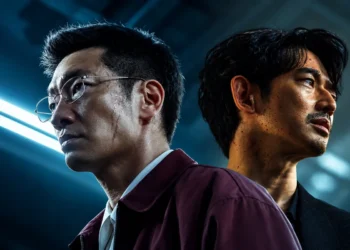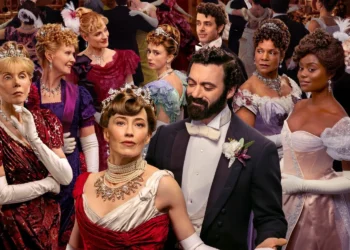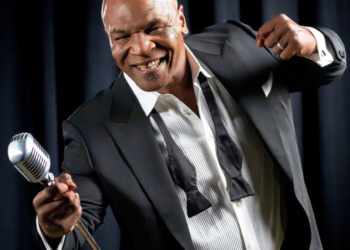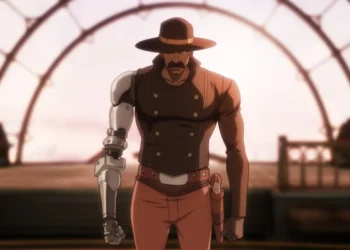


Stacey Muhammad, Emmanuel Osei‑Kuffour, Ben Watkins, A.V. Rockwell, Craig Siebels and the rest of the creative team deliver The Greatest – an eight‑episode biography drama now streaming on Prime Video. The series follows Jaalen Best as a teenage Cassius Clay fresh off his Olympic gold in Rome, tracing the struggles, family dynamics, and societal pressures that forged the legend known worldwide as Muhammad Ali. In this review we unpack why the show succeeds, spotlight standout performances, examine the production choices, and offer a final verdict for readers deciding whether to press play.
Synopsis
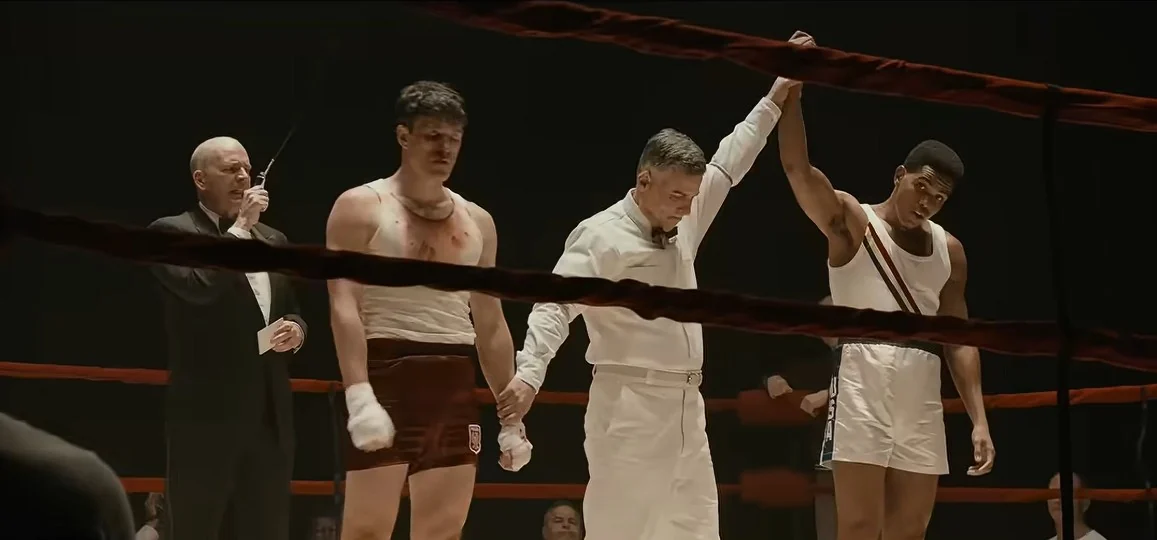
Set against the backdrop of early‑1960s America, The Greatest opens with Cassius returning home to Louisville after triumphing at the 1960 Rome Games. Though his amateur victory opens doors to a pro career, he quickly discovers that talent alone does not guarantee acceptance—family tension, racial prejudice, and the lure of powerful promoters constantly test his resolve. Under the seasoned guidance of trainer Angelo Dundee (Giovanni Ribisi) and amid looming bouts with formidable foes like Sonny Liston (Amin Joseph), Cassius begins to interrogate his identity, embracing Islam and the teachings of Malcolm X. The narrative weaves his athletic ambition with a deepening spiritual quest, showing how external battles mirror internal growth without revealing specific fight outcomes or climactic moments.
Performances
Jaalen Best carries the weight of portraying an icon whose likeness is already etched in popular culture by Will Smith’s Oscar‑nominated turn. Best avoids imitation, instead infusing Clay with a raw, adolescent vigor that feels both authentic and distinct. His confidence shines in the ring, yet moments of vulnerability—especially interactions with his father, Cassius Clay Sr. (Omari Hardwick)—reveal a layered psyche grappling with expectation and self‑definition.
Omari Hardwick delivers a nuanced portrait of Clay Sr., balancing pride in his son’s prowess with the destructive effects of alcoholism and authoritarian control. Dana Gourrier’s Odessa “Bird” Clay transcends the stereotypical supportive mother; she exhibits agency, negotiating contracts and voicing genuine concerns about the sport’s dangers. Kai Parham’s Rudy Clay provides an emotional anchor, sharing the brothers’ evolving faith and offering Cassius a steadfast confidante when isolation creeps in.
Supporting turns by Giovanni Ribisi as Angelo Dundee highlight the trainer’s insight that Ali’s unorthodox style is a strength, not a flaw. Amin Joseph’s Sonny Liston serves as a worthy antagonist whose presence pushes Cassius toward self‑realization. Collectively, the ensemble elevates the series beyond a simple sports chronicle into a character‑driven study of legacy formation.
Behind the Lens
Directors Stacey Muhammad, Emmanuel Osei‑Kuffour, Ben Watkins, A.V. Rockwell, Craig Siebels and their collaborators employ a visual palette that authentically recreates the 1960s—period‑accurate costumes, a soulful soundtrack, and boxing choreography that captures both the brutality and ballet of the sport. The series smartly uses Cassius’s rising fame to explore shifting societal goals: as Sonny Liston defeats Floyd Patterson, Ali’s frustration fuels Dundee’s iconic counsel to “aspire to become the greatest,” linking personal ambition with cultural zeitgeist.
Notably, the show treats Ali’s religious awakening not as a mere plot obstacle but as a transformative force. Scenes depicting his encounters with Malcolm X and the Nation of Islam illustrate how spirituality reshapes his worldview, reinforcing his resolve to stand by conviction even when it threatens livelihood. Production values remain high throughout, though occasional pacing irregularities slightly disrupt narrative flow—a minor flaw that does not diminish the overall impact.
Final Verdict
The Greatest succeeds where many biopics falter: it refuses to reduce Muhammad Ali to a string of victorious bouts, instead presenting a holistic portrait of a young man navigating familial love, racial injustice, and spiritual discovery. Jaalen Best’s breakthrough performance anchors the series, supported by a strong, multidimensional cast and meticulous period detail. While the episodic rhythm occasionally stumbles, the compelling storytelling and rich thematic depth make the show well worth the watch for both casual viewers and aficionados of sports history.
If you’re seeking a series that honors the man behind the myth while delivering substantive drama, The Greatest earns a solid recommendation.