

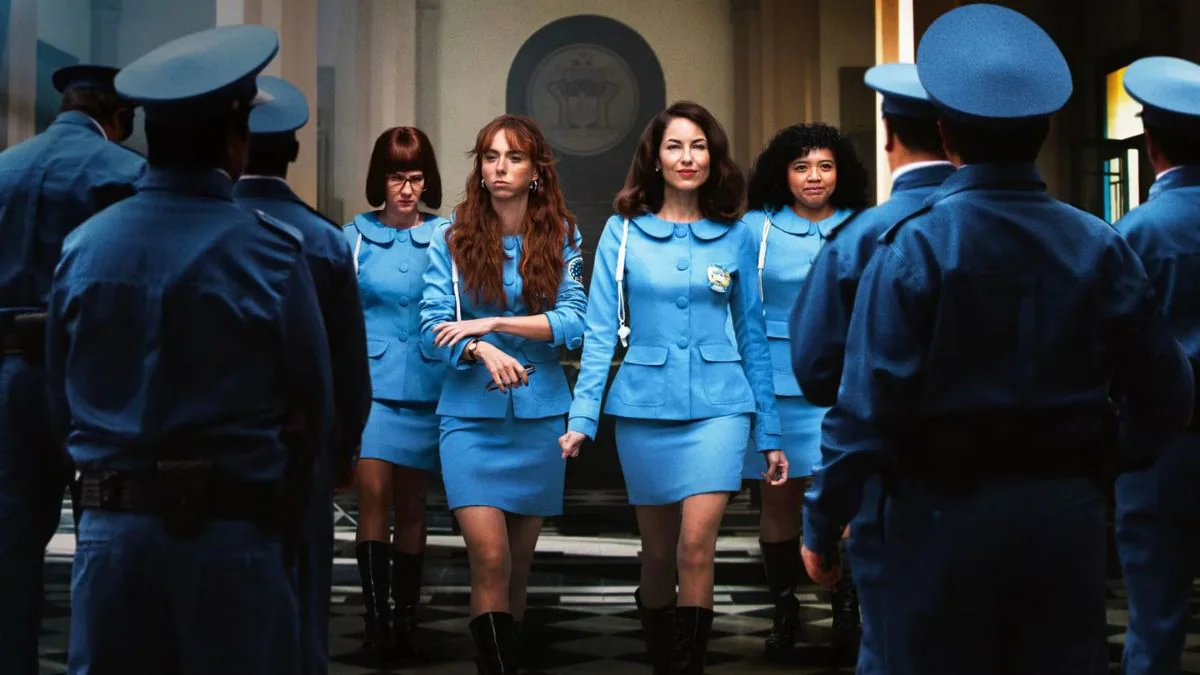
The sophomore season of Women in Blue (originally Las Azules) returns to Apple TV with a sharper focus on the challenges faced by Mexico’s first female police officers. Set just a month after the events of season one, the eight‑episode run deepens the blend of procedural rigor and social commentary that made the debut compelling. Having watched the entire season as well as its predecessor, I can say that the show builds on its foundations while venturing into darker, more politically charged territory.
Synopsis
June 1971 finds the newly formed Las Azules unit confronting a fresh wave of violence linked to student protests and alleged police corruption. A series of murders tied to activist circles forces the four protagonists—Maria, Valentina, Gabina, and Ángeles—to navigate institutional sexism, family pressure, and a growing public distrust of law‑enforcement. As they chase clues that point to a deeper conspiracy, the women must balance their duty with the personal sacrifices demanded by a patriarchal force that is reluctant to accept them. The season avoids major plot twists that would spoil the mystery, instead emphasizing the gradual uncovering of systemic rot and the protagonists’ relentless push for justice.
Performances
Barbara Mori delivers a commanding portrayal of Lieutenant Maria, balancing professional resolve with the emotional strain of a fractured marriage. Natalia Téllez’s Valentina brings fiery idealism, constantly urging her teammates to bend the rules in pursuit of truth. Amorita Rasgado’s Gabina shows remarkable growth, evolving from a hesitant rookie into a meticulous investigator who earns reluctant respect from her skeptical family. Ximena Sariñana’s Ángeles remains the quiet anchor of the group, her intuition proving vital in connecting disparate clues. The supporting cast—particularly Miguel Rodarte as the frustrated Captain Romandia and Christian Tappan as the politically appointed Chief Escobedo—adds layers of institutional tension without overshadowing the central female leads.
Behind the Lens
Creator Fernando Rozcar returns as writer and director for most episodes, ensuring a cohesive visual and tonal continuity with the first season. The cinematography captures the gritty streets of 1970s Mexico, using muted palettes to reflect the era’s political unrest while highlighting the distinctive powder‑blue uniforms that give the series its name. The score subtly underscores moments of tension, shifting from procedural beats to more somber motifs as the narrative delves into state‑sanctioned violence. Rozcar’s decision to stretch the in‑story timeline to just one month—despite a two‑year real‑world gap—creates a palpable sense of immediacy, making the characters’ struggles feel urgent and personal.
Final Verdict
Women in Blue season two successfully evolves from a promising debut into a more pointed, socially aware drama. While occasional melodramatic detours remind viewers of its procedural roots, the season’s strength lies in its unflinching examination of gender discrimination, police brutality, and civic activism. The performances are uniformly strong, the direction is confident, and the thematic relevance extends far beyond Mexico’s borders. For fans of character‑driven crime stories that also interrogate power structures, this installment is a compelling, thoughtful watch—well worth the weekly Wednesday release.
Also Read:
“Women in Blue” Season 2 Trailer teases a deeper mystery and higher stakes