


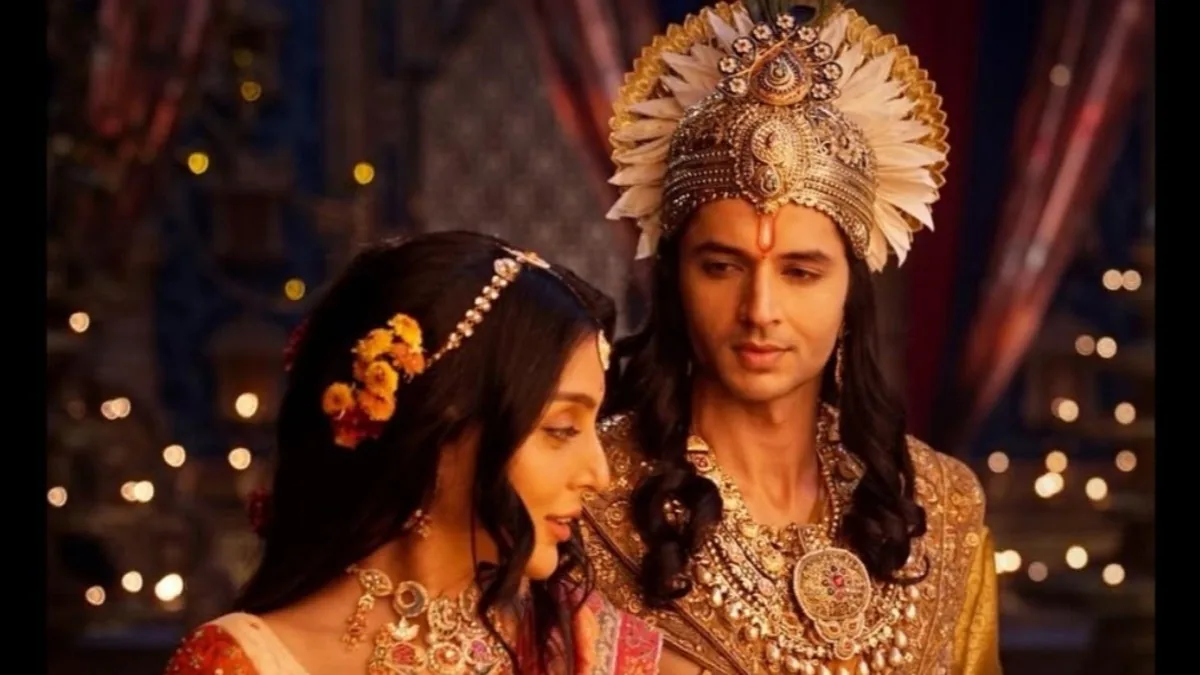
In an age when mythological filmmaking frequently confounds grandeur with genuine spiritual impact, 𝘒𝘳𝘪𝘴𝘩𝘯𝘢𝘷𝘢𝘵𝘢𝘳𝘢𝘮 – 𝘗𝘢𝘳𝘵 𝟏: 𝘛𝘩𝘦 𝘏𝘦𝘢𝘳𝘵 (𝘏𝘳𝘪𝘥𝘢𝘺𝘢𝘮) emerges as a breath of fresh air, offering audiences a viewing experience that prioritizes emotional authenticity over visual spectacle. This cinematic endeavor, guided by the steady hand of director Hardik Gajjar, accomplishes something rare in contemporary Indian cinema—it invites viewers to feel the divine rather than merely witness it. Rather than treating Lord Krishna as a supernatural being surrounded by war chariots and battlefield heroics, this film strips away the mythological opulence to reveal the tender, philosophical, and profoundly humancore at the center of his eternal story.
What distinguishes 𝘏𝘳𝘪𝘥𝘢𝘺𝘢𝘮 from its contemporaries lies in its deliberate artistic choices. The filmmakers understood that portraying Krishna’s greatness does not require thundering action sequences or overwhelming visual effects. Instead, they chose to explore Krishna the philosopher, the lover, and the gentle guide whose influence stems not from divine power but from unwavering compassion and profound emotional intelligence. This approach transforms the viewing experience from passive entertainment into something approaching spiritual contemplation, making it a significant achievement in the mythological genre.
Story
The narrative canvas of 𝘒𝘳𝘪𝘴𝘩𝘯𝘢𝘷𝘢𝘵𝘢𝘳𝘢𝘮: 𝘏𝘳𝘪𝘥𝘢𝘺𝘢𝘮 draws its strength from an inspired creative decision—to unfold the story primarily through the perspective of Satyabhama. This choice, rooted in Raam Mori’s novel 𝘚𝘢𝘵𝘺𝘢𝘣𝘩𝘢𝘮𝘢 and various spiritual texts, allows the audience to encounter Krishna not as an unapproachable deity but as a complex being whose love understands no boundaries of ego or possession. Satyabhama’s journey becomes our journey, and her gradual awakening to spiritual truths creates the emotional foundation upon which the entire film rests.
The screenplay deliberately bypasses the familiar territories of divine miracles and political intrigue that dominate most Krishna narratives. Instead, it lingers in quieter moments—the conversations between lovers, the philosophical reflections on human nature, and the gentle teachings that emphasize love and harmony over conflict and conquest. This thematic focus resonates throughout the film, particularly in Krishna’s poignant meditations on humanity’s tendency to ignore the essence of dharma until circumstances force violence upon them. These philosophical undercurrents lend the narrative depth without ever descending into heavy-handed messaging, allowing viewers to absorb the wisdom naturally through the characters’ experiences and relationships.
The romantic threads woven through the story, particularly the exploration of Krishna’s bonds with Radha and Rukmini, receive treatment that elevates them beyond simple love stories. The film presents Radha’s affection as something transcendent—a connection that spans lifetimes and transcends the physical realm, carrying within it the weight of spiritual devotion and inevitable heartache. This nuanced approach to well-known mythological relationships demonstrates the writers’ commitment to exploring emotional and philosophical dimensions that many adaptations simply ignore.
Performances
The casting choices throughout 𝘒𝘳𝘪𝘴𝘩𝘯𝘢𝘷𝘢𝘵𝘢𝘳𝘢𝘮 prove instrumental in bringing its vision to life.Sanskruti Jayana, making a remarkable debut as Satyabhama, delivers a performance that announces her as a talent to watch. The actress, granddaughter of former Gujarat Chief Minister Anandiben Patel, demonstrates remarkable emotional range, capturing her character’s evolution from possessiveness and insecurity toward spiritual understanding with genuine conviction. Watching her navigate Satyabhama’s jealousy while witnessing Krishna’s boundless capacity for love creates some of the film’s most compelling moments, particularly as she processes his connection with Radha and later Rukmini.
Siddharth Gupta embodies Krishna with a quiet authority that proves perfectly suited to the film’s sensitive approach. The decision to cast a relatively fresh face works brilliantly, allowing audiences to see Krishna as a person rather than a star playing a deity. Gupta brings an almost meditative quality to the role—serenity and warmth emanate naturally from his performance, while subtle melancholy colors his interactions, suggesting a being who has witnessed humanity’s failures across countless ages. His Krishna does not proclaim divinity through grand gestures; instead, it manifests in the gentle compassion of his smile and the thoughtfulness of his words. This internalized approach to the character feels lived-in and authentic, avoiding the theatrical trap that many performers fall into when portraying spiritual figures.
Sushmitha Bhat’s Radha carries a quiet emotional weight that continues to resonate long after her scenes conclude. The film understands that Radha’s love represents not merely romantic affection but a spiritual connection of cosmic significance, and Bhat conveys this complexity through understated yet powerful performance. Similarly, Nivaashiyni Krishnan brings grace and restraint to Rukmini, creating a memorable impression despite limited screen time. Together, these performances create a world where every relationship feels meaningful and every emotional beat earns its impact through sincere execution.
Behind the Lens
Director Hardik Gajjar deserves substantial credit for maintaining the film’s remarkable tonal consistency throughout its runtime. In an era when even mythological films often include elements designed to appeal to mass audiences, Gajjar’s commitment to integrity proves refreshing. The romantic sequences never cross into the exploitative, and the spiritual atmosphere remains untainted by commercial compromises. This purity of vision creates an experience that feels genuine rather than calculated, inviting viewers into a devotional space that many larger productions struggle to achieve despite their significantly larger budgets.
The technical presentation reinforces the film’s thematic and emotional goals with considerable success. The production design successfully evokes the aesthetic sensibilities of classical Indian devotional art, creating visual continuity with centuries of Krishna imagery while remaining contemporary enough to engage modern audiences. Costume design and color palettes work in harmony with this approach, reinforcing the cultural rootedness that gives the film its distinctive identity. The aesthetic choices embrace traditional mythological storytelling imagery and emotional rhythms, making the visual experience feel authentic rather than derivative.
The musical dimension of 𝘒𝘳𝘪𝘴𝘩𝘯𝘢𝘷𝘢𝘵𝘢𝘳𝘢𝘮: 𝘏𝘳𝘪𝘥𝘢𝘺𝘢𝘮 deserves particular attention, as the film incorporates approximately a dozen songs without ever allowing them to disrupt the narrative flow. Instead, the music serves the story, advancing emotional arcs and deepening the spiritual atmosphere. The seamless integration between dramatic sequences and musical passages demonstrates sophisticated filmmaking, maintaining momentum while providing moments of reflection and emotional processing. This operatic approach suits the material beautifully, connecting the film to the musical traditions inherent in devotional storytelling.
The writing collaboration among Prakash Kapadia, Raam Mori, and Hardik Gajjar has produced a screenplay that balances expansiveness with focus. Despite the epic scope implied by the franchise structure, the narrative remains centered on character journeys, ensuring that audiences remain emotionally invested throughout. Dialogues achieve the difficult balance of conveying deep emotion without sliding into melodrama, allowing the philosophical content to land organically rather than feeling imposed.
Technically, the cinematography and editing create an immersive experience, though the visual effects present a mixed picture. While the VFX work competently in most sequences, they occasionally fail to match the epic scale the material occasionally aspires to achieve. The action sequences, in particular, could have benefited from more polished execution—a limitation that the production team will hopefully address in subsequent installments. Nevertheless, the genuine sincerity permeating every aspect of the film helps transcend these technical shortcomings.
Final Verdict
What ultimately elevates 𝘒𝘳𝘪𝘴𝘩𝘯𝘢𝘷𝘢𝘵𝘢𝘳𝘪 – 𝘗𝘢𝘳𝘵 𝟏: 𝘛𝘩𝘦 𝘏𝘦𝘢𝘳𝘵 (𝘏𝘳𝘪𝘥𝘢𝘺𝘢𝘮) above conventional mythological adaptations lies in its fundamental understanding of Krishna as simultaneously divine and deeply human. The film refuses to reduce its subject to miraculous displays alone, instead exploring his compassion, emotional complexity, and spiritual wisdom with genuine tenderness and profound respect. This balanced approach allows audiences to connect with Krishna as an aspirational figure rather than an unattainable deity, making his teachings accessible without diminishing their significance.
As the opening chapter of what promises to be a larger franchise, 𝘩𝘳𝘪𝘥𝘢𝘺𝘢𝘮 successfully establishes a strong foundation. The warrior, strategist, and architect of epic conflicts portrayed in the Mahabharata remain deferred, yet this first installment powerfully illustrates why Krishna’s heart represents his greatest attribute. If subsequent chapters build upon the emotional depth and philosophical richness established here, 𝘬𝘳𝘪𝘴𝘩𝘯𝘢𝘷𝘢𝘵𝘢𝘳𝘢𝘮 possesses the potential to become one of Indian cinema’s most meaningful mythological sagas—a genuine spiritual experience disguised as cinematic entertainment.