

Netflix has consistently carved out a distinctive space in the television marketplace, particularly when it comes to showcasing performers in the later stages of their careers. The streaming giant has demonstrated an uncanny ability to identify programming that resonates with audiences seeking stories about characters navigating the complexities of adulthood. Among its most successful ventures in this arena, The Four Seasons stands out as a particularly compelling example of this philosophy in action. Now returning for its second season, the series demonstrates a remarkable evolution, having shed some of its earlier inconsistencies while doubling down on the emotional depth that made its premise so promising to begin with.
Synopsis
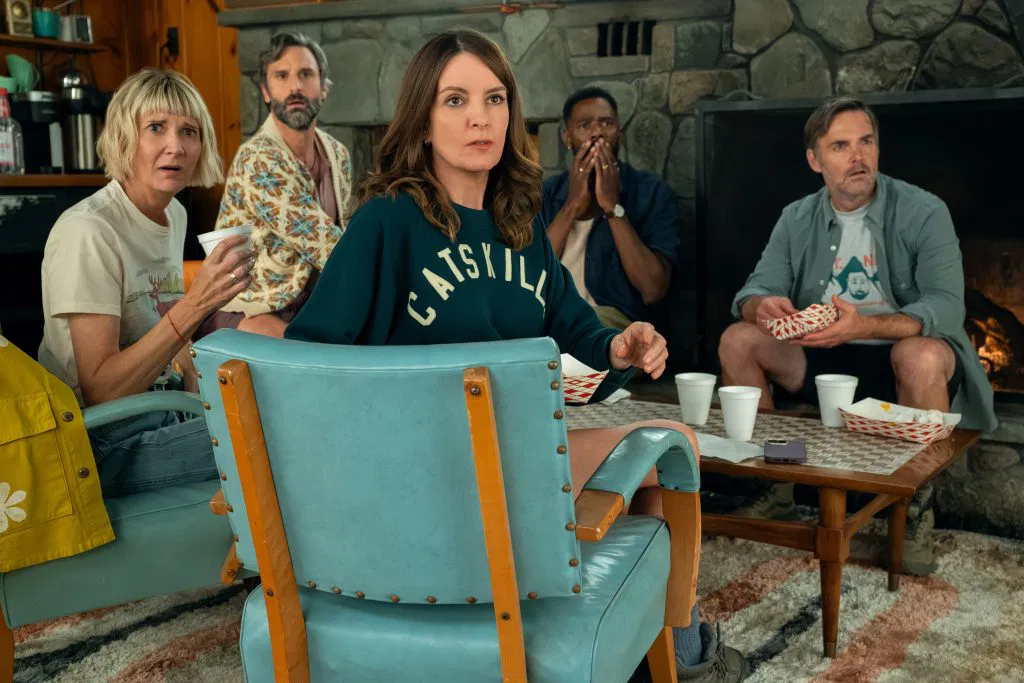
The aftermath of Nick’s devastating accident has left his closest friends grappling with questions that have no easy answers. Danny (Colman Domingo) and Claude (Marco Calvani) find themselves at a crossroads, questioning whether the lives they’ve built truly reflect who they want to become. Their existential wrestling takes center stage as the season explores the possibility of dramatic life changes, including the tantalizing prospect of starting fresh in Italy. Meanwhile, Jack (Will Forte) and Kate (Tina Fey) must confront the unique challenge of growing as individuals without allowing that growth to destabilize the foundation of their marriage. Their journey speaks to a fear that many couples face: can two people change together without losing themselves in the process?
Performances
If there is a single reason to recommend The Four Seasons Season 2 with enthusiasm, it is the extraordinary work being done by Colman Domingo. The actor continues what has become one of the more remarkable career resurgences in recent memory, delivering performance after performance that somehow manages to be simultaneously hilarious and devastating. As Danny, he anchors the ensemble with warmth and wit, providing the kind of effortless charisma that makes every scene he occupies immediately more engaging. The ease with which he transitions between comedy and genuine emotional weight suggests an artist operating at the peak of his abilities.
The supporting cast delivers consistently as well, though not all storylines are created equal. Tina Fey finds some of her most human moments in scenes shared with Domingo, and the writers have wisely constructed their scenes to maximize the natural warmth between these performers. Will Forte’s comedic approach, which can feel overpowering in less capable hands, has been calibrated more effectively this season. His Thanksgiving sequences showcase his talents without threatening the emotional equilibrium the show has worked hard to establish. Meanwhile, Kerri Kenney-Silver carries perhaps the season’s most emotionally complex storyline, portraying a woman attempting to process grief while simultaneously supporting a friend through a high-risk pregnancy. Her journey provides some of the most memorable moments the series has offered to date.
The absence of Steve Carell’s Nick proves to be, paradoxically, one of the season’s most effective creative choices. The character had increasingly become a source of friction rather than engagement in the first season, and his departure has allowed the ensemble to explore dynamics that were previously impossible. The remaining actors clearly relish this newfound freedom, investing their performances with an energy that suggests they recognize they’ve been given an opportunity to take actual creative swings.
Behind the Lens
The Four Seasons has never lacked for production ambition, and this season reinforces that reputation with another visually striking installment. The globe-trotting elements that have become series signatures receive particularly lavish treatment, with a trip to Italy providing one of the season’s most memorable sequences. The location shooting serves dual purposes: it offers viewers genuinely beautiful backdrops while also reinforcing the thematic material about characters seeking reinvention in new environments. When Danny and Claude wander through Italian streets contemplating their future, the visual language of the show speaks volumes about possibility and transformation.
The set design team deserves considerable credit for grounding what could easily become overly stylized material. Whether depicting the familiar comfort of longtime friends gathering or the strange new spaces they occupy as their lives evolve, the production design maintains a delicate balance between specificity and universality. Particular attention has been paid to the little details that signal how long these characters have known each other, from well-worn furniture to personal artifacts that carry emotional weight. The cabins, hiking paths, and domestic spaces all feel lived-in, which makes them more convincing settings for the intimate drama unfolding within them.
Costume design contributes significantly to the storytelling as well, particularly in how it tracks the characters’ emotional states through their wardrobes. The choices made for each character tell us something about their current psychological landscape without requiring exposition. When characters venture outside their comfort zones, their clothing often reflects that displacement. The show has never been shy about using fashion as a storytelling tool, and this season sees them pushing that approach even further. Some choices are admittedly bold, even questionable, but that sense of risk-taking suits the thematic material about middle-aged characters attempting to define themselves on their own terms.
Technical polish abounds throughout, with cinematography that manages to make even the most mundane moments feel cinematic. The two-episode arc structure could easily have led to repetitive visual language, but the production team clearly understood the importance of keeping things fresh. Each segment has its own visual identity while maintaining the overall aesthetic continuity that defines the series. This attention to craft ensures that The Four Seasons remains one of Netflix’s most visually distinctive offerings.
Final Verdict
The Four Seasons Season 2 represents exactly the kind of growth that fans had hoped for but perhaps doubted was possible. Where the first season often struggled to find its footing between comedy and drama, this sophomore effort achieves a seamless integration of both elements. The removal of earlier season tensions that had begun to feel like obstacles to genuine engagement allows the ensemble to explore their characters with greater freedom and depth. This is storytelling that respects both its subject matter and its audience, trusting viewers to appreciate nuance without requiring artificial dramatic escalation.
For anyone seeking sophisticated entertainment that treats middle age as a period of continued possibility rather than decline, The Four Seasons offers exactly that. It acknowledges the weight of accumulated loss while refusing to be defined by it. It finds humor in the absurdity of human struggle without minimizing the genuine difficulty of the challenges its characters face. Most importantly, it tells stories that feel earned, developing relationships over time in ways that make invested audiences feel like genuine participants in these characters’ lives.
The Four Seasons returns May 28, 2026, with all eight episodes available for streaming immediately. This is one series that rewards patience and attention, and this second season makes clear that both qualities have been worthwhile investments.