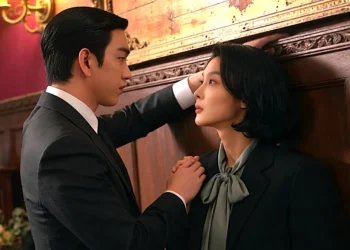


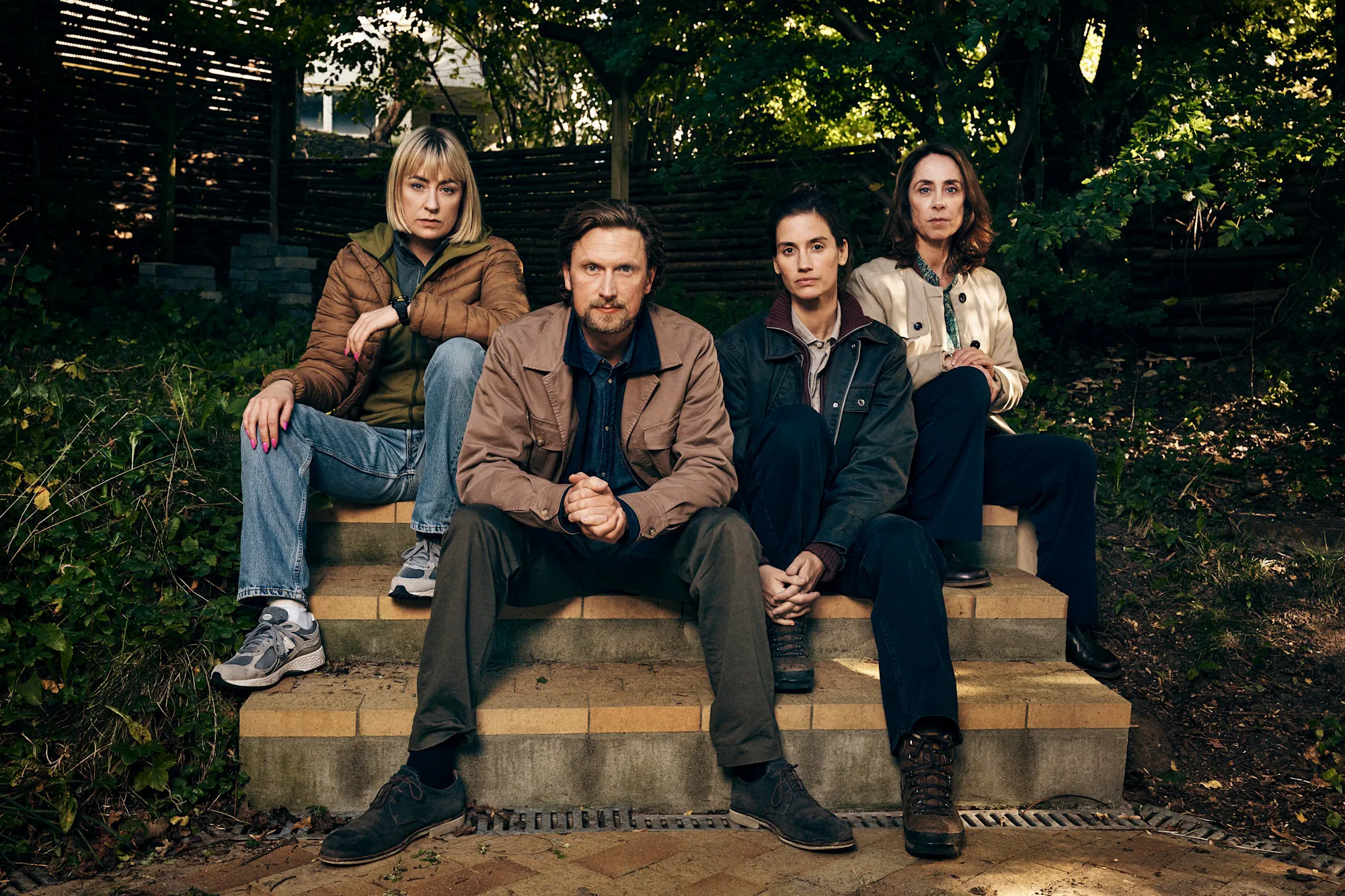
After a five-year absence that felt like an eternity for Nordic noir enthusiasts, The Chestnut Man makes its triumphant return to Netflix with Hide and Seek, premiered on May 7, 2026. Based on Søren Sveistrup’s follow-up novel, this second season re-teams detectives Naia Thulin and Mark Hess for another harrowing investigation that tests their professional partnership and personal history in equal measure. While the original 2021 season established itself as one of the most chilling procedural thrillers in recent memory, Hide and Seek dares to go darker, faster, and emotionally deeper than its predecessor. For fans of Danish crime dramas who have been clamoring for more content from this universe, the wait has been more than worth it.
Story
The narrative hook of Hide and Seek is immediately compelling: a serial killer targets women navigating brutal divorce and custody proceedings, stalking them digitally before closing in for the kill. Each message arrives with a children’s counting rhyme—”Count to One, Count to Two” (Tælle til en, tælle til two)—serving as both signature and countdown. The rhyme, drawn from a Halfdan Rasmussen poem, becomes the stuff of nightmares, an innocent childhood tune twisted into something sinister that viewers will find impossible to shake.
The investigation begins with a missing 41-year-old woman who had been surveilled for months by her unseen predator. Her murder connects to an older cold case: Emma Holst, killed seventeen years earlier, whose mother Marie Holst has spent nearly two decades fighting for justice. The show expertly weaves these timelines together, building toward a revelation that reshapes everything midway through the season. This mid-season turn arrives without warning and lands with the force of a physical blow, fundamentally altering the stakes for every character involved.
What elevates the storytelling is its socio-political consciousness delivered through genre mechanics. The killer’s systematic selection of victims—women caught in family court battles—examines how systemic failures create opportunities for predator. The digital footprint theme hits particularly close to home in an age where most viewers leave exactly the kind of trail the killer exploits. The show converts abstract privacy anxiety into genuine dread without ever lecturing its audience.
Performances
Danica Curcic’s portrayal of Naia Thulin continues to be the series’ anchor. Having shifted from homicide to cybercrime between seasons, she brings a updated skillset perfectly suited to a case built on digital surveillance. Curcic layers complexity into every scene—Thulin is now a single mother to teenage daughter Le, an investigator whose professional intensity occasionally costs her personally, and ultimately a target herself. The performance remains magnetic without being showy, accessible without sacrificing depth.
Mikkel Boe Følsgaard’s Mark Hess has undergone the most significant transformation. The man who deflected with cool competence in Season 1 now faces emotional exposure he cannot avoid. His unexplained departure from Thulin’s life two years earlier haunts every interaction, and Følsgaard plays a character genuinely better at catching killers than facing the people he has hurt. The awkwardness between these former lovers is never soft-pedaled; the show lets it breathe and lets other characters react with appropriate irritation.
Ester Birch, as Le Thulin, earns significantly more screen time this season and delivers every moment. Her specific, justified resentment toward Hess creates one of the season’s most quietly affecting relationship threads—one that refuses neat resolution and is stronger for it. Sofie Gråbøl’s addition as Marie Holst, Emma’s grieving mother, provides the procedural plot with raw emotional anchor. Her determination to find justice for her daughter while strained by her surviving children brings decades of genre credibility to every scene.
Behind the Lens
The directorial duties split between Milad Alami and Roni Ezra, each handling three episodes with visually consistent results. Alami’s opening sequence immediately establishes the season’s heightened tension, pulling viewers in with strong imagery and no gentle easing. The muted palette and claustrophobic visual grammar established in Season 1 evolve without abandoning what worked—muted greys, tight interiors, and that particular Scandinavian cold that never reaches warmth.
The season’s most formally impressive achievement is a mid-season action sequence that relocates violence from Nordic noir’s conventional remote woodlands into a populated public institution during business hours. This deliberate choice strips away the genre’s atmospheric shortcuts, forcing the threat to register in an immediate, unromantic register. Alami’s direction is tight, unpleasantly realistic, and formally precise—some of the most genuinely tense television Danish production has delivered in years.
The adaptation process deserves recognition. Screenwriters Dorte W. Høgh and Emilie Lebech Kaae worked from Søren Sveistrup’s novel while it was still being finished, necessitating deliberate divergences that serve the screen’s rhythms rather than simply transcribing the page. This is adaptation as it should be: understanding that television and novels are different instruments requiring different scores.
Final Verdict
The Chestnut Man: Hide and Seek is a confident, frequently outstanding second season that deepens its characters, sharpens its tension, and takes at least one genuinely brave narrative swing. The mid-season turn stands as evidence of the series’ willingness to take risks, while the surrounding craft demonstrates why audiences return to Nordic noir again and again. Curcic and Følsgaard remain one of television’s most watchable investigative pairings, Gråbøl’s addition strengthens the emotional core, and the technical execution reaches heights the first season only hinted at.
The formula shows its seams occasionally, and the increased action set pieces occasionally strain against the show’s grounded procedural instincts. These are minor friction points in an otherwise remarkable season. For viewers new to the series, Hide and Seek works as a standalone experience—the show provides sufficient context to understand the characters’ history. For returning fans, the five-year gap feels intelligently used, with a world and characters who have genuinely lived in the time between seasons.
This is the sequel fans hoped for and more. Now we wait to see if the story continues.