

Netflix continues to expand its catalogue of international genre fare with Wrath, a Brazilian sports‑thriller that lands on the platform in 2026. Directed by Igor Verde and José Henrique Fonseca, the six‑episode series pits a mysterious amnesiac fighter against the shadowy world of underground boxing while probing the lingering scars of violence and guilt. With a solid ensemble cast—Vinicius Neri, Fábio Lago, Alice Carvalho, Bianca Comparato, Cláudia Raia, Eduardo Moscovis, MC Cabelinho, Zé Wendell and others—the show promises high‑octane combat, a compelling mystery, and an exploration of what it means to reclaim a stolen identity. This review examines whether Wrath lands the knockout punch it aims for or merely grazes the canvas.
Synopsis
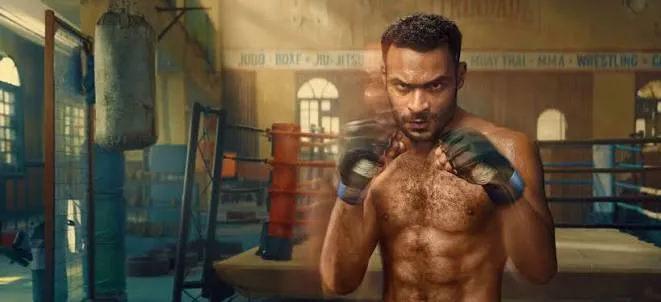
The story opens with Toni, the owner of the Trindade MMA academy, discovering a severely wounded man in a dump yard. The stranger bears a cryptic symbol on his wrist and has no recollection of who he is. Toni names him Marcelo and takes him under his wing, hoping the disciplined environment of the academy will help the newcomer piece together his fractured past. As Marcelo begins training, flashes of violent encounters and an uncontrollable rage surface, hinting at a life once lived in the clandestine fight circuit. Simultaneously, Toni’s own history with a notorious fighting syndicate resurfaces, forcing him to confront whether his altruism is genuine or motivated by buried guilt. The series weaves these personal quests against the backdrop of a ruthless promoter who treats fighters as commodities, setting the stage for a clash between redemption and exploitation.
Performances
Vinicius Neri delivers a physically demanding turn as Marcelo, balancing the character’s raw athleticism with a palpable sense of disorientation. His fight choreography feels authentic, and the subtle shifts in his gaze convey the internal battle between peace and fury. Fábio Lago’s Toni is layered with world‑weariness; he portrays a mentor whose protective instincts are constantly tested by his own past mistakes.
The supporting cast adds depth: Alice Carvalho brings quiet intensity as a fellow trainee who becomes Marcelo’s confidante, while Bianca Comparato and Cláudia Raia provide strong female presences that challenge the male‑dominated gym atmosphere. MC Cabelinho and Eduardo Moscovis inject bursts of charisma and menace, particularly in scenes that explore the illegal fight circuit. Overall, the ensemble manages to keep the emotional core engaging, even when the script occasionally leans on archetypal beats.
Behind the Lens
Directors Verde and Fonseca adopt a gritty visual palette that emphasizes the claustrophobic alleys of São Paulo’s underground scene versus the sterile, hopeful lighting of the Trindade academy. Cinematography leans on tight, handheld shots during combat sequences, immersing the viewer in the sweat and impact of each blow, while wider, static frames are used for moments of introspection, allowing the actors’ facial nuances to shine.
The series’ soundtrack blends Brazilian hip‑hop beats with low‑drone synths, underscoring the tension between street culture and the disciplined world of martial arts. Production design deserves mention for its attention to detail—the makeshift gym, the graffiti‑tagged fight dens, and the opulent yet sinister offices of the antagonist all feel lived‑in. However, the editing occasionally suffers from pacing lulls; certain investigative threads linger longer than necessary, which can dilute the momentum built by the fight‑centric set pieces.
Final Verdict
Wrath arrives with a potent premise: a mystery‑driven sports thriller that examines identity, trauma, and the exploitative underbelly of combat sports. The show succeeds in delivering visceral fight choreography and a compelling central duo whose evolving bond anchors the narrative. Performances are uniformly solid, and the series’ aesthetic effectively captures the contrast between hopeful training grounds and the dark, profit‑driven fight clubs that lurk beneath the city’s surface.
Nevertheless, the series stumbles in its execution. The pacing fluctuates, with moments of high‑octane action followed by stretches where the plot meanders without clear direction. Several characters, particularly the antagonistic promoter and his daughter, remain somewhat one‑dimensional, limiting the emotional payoff of their arcs. While the core mystery sustains interest, the reveal of Marcelo’s past leans toward predictability, reducing the potential for genuine surprise.
In sum, Wrath is a commendable attempt at blending sports excitement with psychological depth. It offers enough gritty entertainment and character nuance to satisfy fans of the genre, yet it falls short of becoming a standout thriller due to uneven pacing and under‑explored themes. For viewers who appreciate a good fight and are willing to overlook occasional narrative hiccups, Wrath delivers a satisfactory binge; for those seeking a tightly wound, emotionally resonant saga, it may feel like a bout that never quite finds its rhythm.