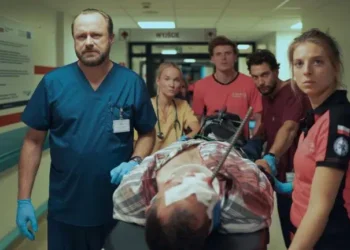



Unprotected: Murder in Galicia is a 65‑minute Netflix true‑crime documentary directed and written by Jorge Laplace. It recounts the 2015 murder of 65‑year‑old Isabel Fuentes in the small Galician village of Pazos, Spain, and lays bare the failures of law‑enforcement and the health system to protect a vulnerable woman.
Introduction – Why This Documentary Matters
The film opens with a stark image of a quiet rural home shattered by violence. Isabel Fuentes, a retired schoolteacher, becomes the focal point of a story that quickly evolves from a simple robbery to a chilling illustration of domestic abuse. For general readers and true‑crime enthusiasts alike, the documentary offers more than a recount of a single homicide; it serves as a disturbing reminder that violence often hides behind familiar faces and that institutional inertia can be deadly.
The Initial Assault – A “Robbery” That Doesn’t Add Up
In April 2015, Isabel was found with severe head injuries after what her husband, Aniceto Rodriguez, described as a home invasion. Police were called to a scene lacking any sign of forced entry. Instead, a hammer smeared with blood and Rodriguez’s own blood‑stained dressing gown became the primary evidence. The documentary lets investigators speak directly, exposing contradictions in Rodriguez’s account and planting early doubt about the alleged robbery.
Investigative Gaps – When the Closest Witness Becomes a Suspect
As the inquiry deepens, the film highlights two critical oversights:
- Absence of forced entry: The lack of broken windows or doors undermines the robbery narrative.
- Inconsistent statements: Rodriguez’s explanations shift with each interview, suggesting a rehearsed story rather than an impulsive crime.
These discrepancies are presented without sensationalist music or forced suspense; the documentary simply lets the facts speak, allowing viewers to sense the growing unease.
The Second Attack – A Tragedy Within Hospital Walls
Despite clear warning signs, protective measures for Isabel were minimal. The documentary notes that authorities considered restricting Rodriguez’s access to her hospital room, yet no concrete action was taken. On May 8, 2015—just 37 days after the first assault—Isabel was stabbed to death in her own hospital bed. Rodriguez was discovered with a knife wound, claiming an unknown assailant returned to finish the job. The film’s raw depiction of this second murder underscores the fatal consequences of institutional complacency.
Possible Motives – Money, Inheritance, and Control
The narrative briefly explores financial incentives that may have influenced the crime. Isabel’s will had been altered to benefit her son and granddaughter, and she had recently inherited money after her mother’s death. While these details add complexity, the documentary emphasizes that the core issue remains domestic abuse rather than a simple monetary dispute.
Voices from the Frontline – The Sergeant’s Frustration
One of the most compelling segments features an interviewing sergeant who repeatedly attempted to bring the case before a judge. His palpable frustration transforms abstract procedural failures into a tangible, human problem. The documentary uses his testimony to illustrate how bureaucratic inertia can become a weapon against victims.
Strengths of the Documentary – A Respectful, Unembellished Approach
- Clear storytelling: By avoiding melodramatic pacing, the film maintains focus on the investigation’s facts.
- Authentic interviews: Law‑enforcement officers, medical staff, and legal experts speak candidly, giving the audience a multi‑dimensional view.
- Social commentary: The film subtly critiques the systemic gaps that allowed the tragedy to repeat, prompting viewers to consider broader policy reforms.
Missed Opportunities – Areas for Deeper Exploration
While Unprotected: Murder in Galicia excels at presenting the case, it skims over two critical aspects:
- Institutional analysis: A deeper dive into why protective orders were not enforced would have strengthened the film’s call for reform.
- Victim’s perspective: Isabel’s voice is largely absent; incorporating her personal history could have humanized the statistics and reinforced the emotional impact.
Verdict – A Documentary That Demands Attention
Unprotected: Murder in Galicia is a stark, unsettling true‑crime documentary that does more than recount a murder; it exposes how domestic violence can be concealed within familial relationships and how systemic failures can seal a victim’s fate. For anyone interested in true crime, legal reform, or the hidden dangers of intimate partner abuse, this Netflix release is an essential, albeit difficult, watch.