

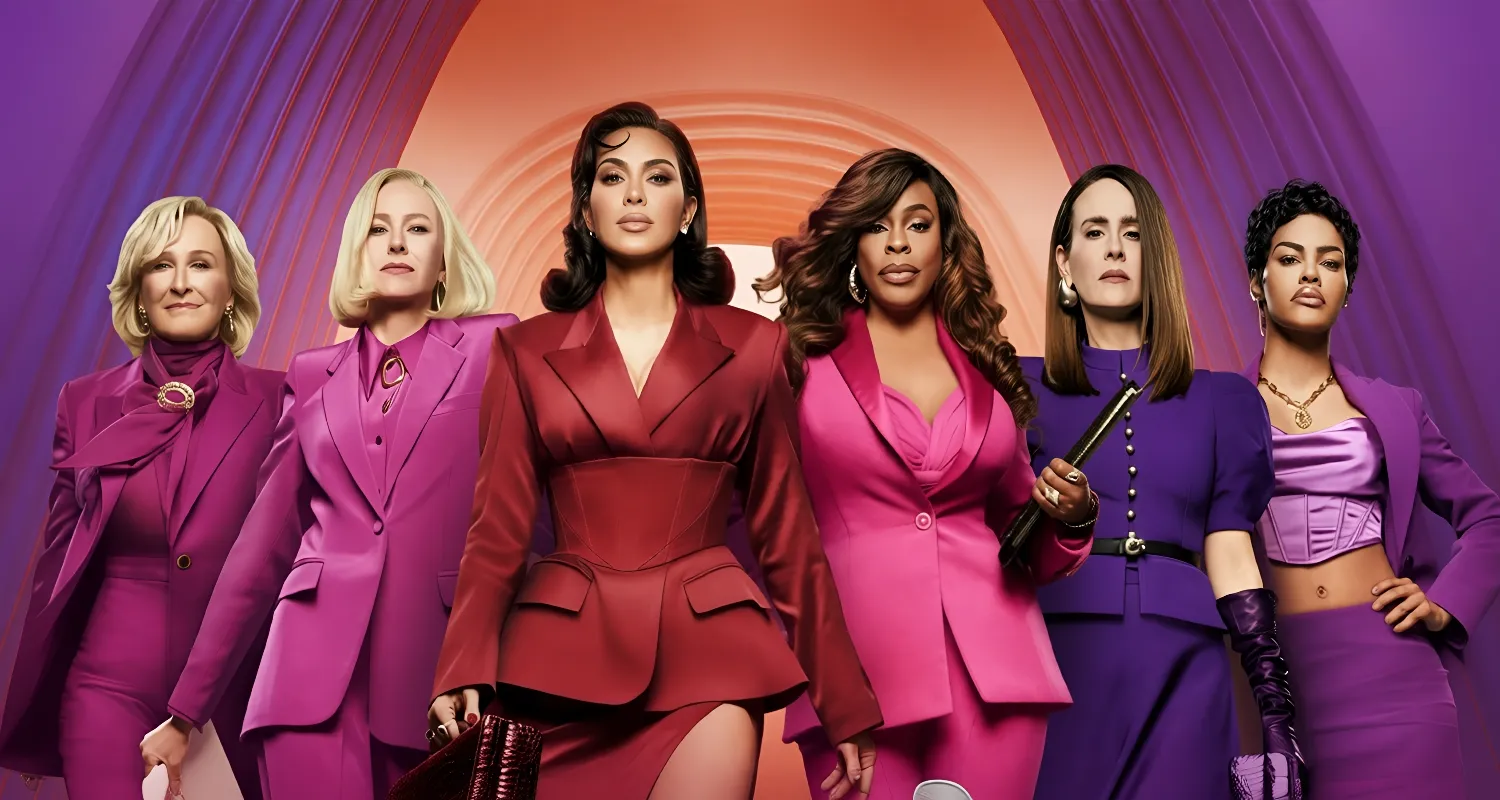
Ryan Murphy’s glossy legal‑drama returns with a second batch of episodes that blend courtroom battles, high‑society mischief and razor‑sharp wit. Premiering simultaneously on Hulu and Disney+, the series continues to follow an all‑female cadre of elite divorce attorneys navigating billion‑dollar splits, personal vendettas and the occasional absurd scandal. With Sarah Paulson reprising her ferocious attorney Caroline “Carr” Hart, the show promises more of the combustible chemistry that made season one a talking point. This review unpacks the latest arc, weighing its strengths, missteps and overall impact for both casual viewers and devoted fans of the franchise.
Synopsis
When a new client walks into the firm with a secret that could jeopardize a multimillion‑dollar settlement, the lawyers must decide whether to expose the truth or protect their client’s interests—setting off a chain of moral dilemmas. Simultaneously, a glamorous charity gala hosted by a reality‑TV mogul spirals into chaos after a disputed accessory ignites jealousies, leading to a public confrontation that threatens both reputations and friendships. As personal tensions surface—old flames rekindle, hidden insecurities emerge, and a traumatic flight forces the women to confront raw emotions—the series balances slick courtroom strategy with over‑the‑top social spectacle, keeping the audience guessing where loyalties will lie next.
Performances
Sarah Paulson dominates the screen as Caroline Hart, delivering a layered portrayal that swings from biting sarcasm to unexpected vulnerability with effortless timing. Her ability to make Carr’s cruelty feel both entertaining and unsettling anchors the ensemble. Niecy Nash‑Betts and Naomi Watts shine as the sharp‑witted partners who uncover the season’s central deception, offering a grounded counterpoint to Paulson’s intensity.
Glenn Close brings regal gravitas to Dina Standish, while Margo Martindale’s turn as culinary‑wise Gloria Bloom adds warmth and comic relief amid the legal wrangling. Teyana Taylor’s Milan and emerging romances inject youthful energy, and Kim Kardashian’s cameo as Allura Grant supplies a glossy, self‑aware punch that feels both satirical and sincere. Overall, the cast navigates tonal shifts with confidence, making the heightened drama feel palpably real.
Behind the Lens
Created by Ryan Murphy, Jon Robin Baitz and Joe Baken, the series benefits from Murphy’s signature flair for stylized excess and Baitz’s knack for incisive dialogue. Cinematography bathes Los Angeles in sun‑kissed hues during courtroom scenes, then shifts to cooler, neon‑lit palettes for the night‑life set pieces, underscoring the clash between professional poise and personal abandon. The production design deserves special mention: the opulent décor of the “Scorpion Ball” and the rustic charm of the Thanksgiving feast are rendered with meticulous detail, turning each location into a character in its own right. Editing maintains a brisk tempo, allowing rapid‑fire repartee to land while still giving emotional beats space to resonate—a balance that keeps the narrative from feeling either rushed or sluggish.
Final Verdict
All’s Fair season 2 succeeds when it leans into the feud‑driven humor that defined its debut, letting Sarah Paulson’s Carr unleash wickedly funny barbs while hinting at the wounds beneath. The legal intrigue remains compelling, especially when cases bleed into the protagonists’ private lives, creating satisfying synergies between work and heart. However, the show occasionally sacrifices depth for spectacle—quick resolutions, abrupt threats and hastily‑formed romances undercut the gravity of the characters’ revelations. Despite these flaws, the season delivers enough glossy drama, strong performances and thematic richness to warrant a recommendation for viewers who enjoy legal procedurals wrapped in a glossy, soap‑opera veneer. For fans of Murphy’s oeuvre, it’s a binge‑worthy continuation that proves the firm’s battles are far from settled.