

Netflix’s seasonal slate keeps delivering feel‑good stories centered on families, festive décor, and—this time—a pack of very photogenic dogs. A Dog’s Perfect Christmas leans heavily on the charm of its canine cast, hoping that enough wagging tails will compensate for a script that sticks closely to the classic “depress‑then‑cheer” arc familiar from countless yuletide releases. Does the movie succeed, or does its reliance on cuteness leave viewers wanting more substance? This review unpacks the film’s narrative, acting, production values, and overall impact for anyone weighing whether to press play.
Synopsis
When a lovable Basset Hound named Winstead joins the Goss household just before Christmas, he quickly becomes the family’s silent observer. Through his eyes we meet multiple generations—Sander the gruff grandfather, Barbara the warm‑hearted grandmother, parents Hunter and Juliana, teenage Ello with scholarship dilemmas, and mischievous twins Garrett and Ewan. As the holidays approach, each member faces personal setbacks: grief, career uncertainty, health scares, and social pressures. Winstead’s loyal presence tries to bridge the growing gaps, while a sprightly Corgi named Ruby arrives bearing the promise of a holiday‑season turnaround. The story follows the familiar trajectory of hardship giving way to hopeful resolution, all viewed from the dogs’ point of view.
Performances
The human ensemble delivers a mixed bag. Dennis Quaid, portraying the withdrawn Sander, struggles to convey the depth his character requires, often coming across as flat rather than fractured. Brooke Lena Johnson shines during the ice‑skating sequences, using movement to express Ello’s inner conflict more effectively than dialogue does. Kathleen Rose Perkins offers a competent, if unremarkable, turn as the mother, while Milo Ventimiglia and Mary Steenburgen—both seasoned talents—are given limited material that prevents them from showcasing their range. Ethan Loomis feels wooden in his role, and the remaining supporting cast fulfills their functions without leaving a lasting impression.
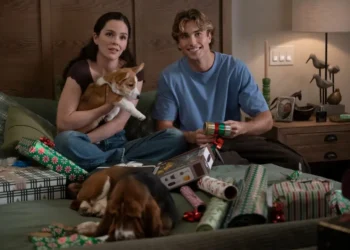
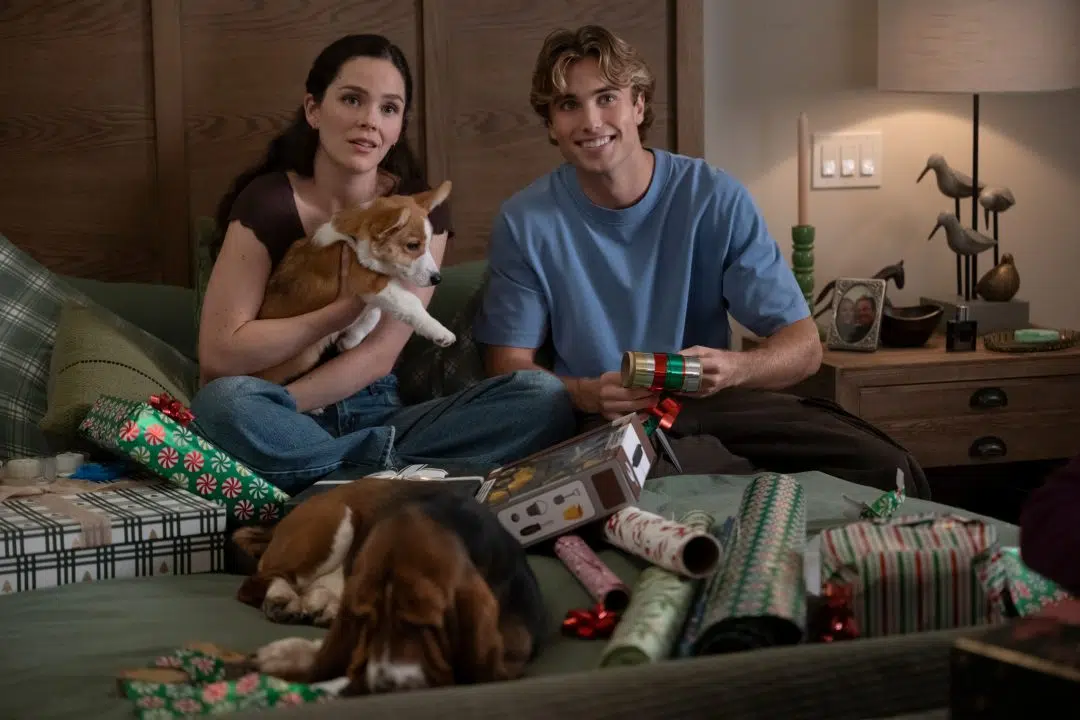
In stark contrast, the dogs steal the show. Winstead, portrayed by a trio of talented pooches (Sir Jenkins, Queen Candy, and Roofus), exudes genuine warmth and curiosity. Ruby, brought to life by Charles, Harry, and William, adds a burst of playful energy that lifts several scenes. Even the minor canine character, Mrs O’Brien’s dog (Peaches), contributes to the overall “cuteness overload” that the film repeatedly leans on. Voice work by Thomas Haden Church provides narration that, while serviceable, occasionally dampens the emotional tone rather than enhancing it.
Behind the Lens
Director Cathryn Michon captures a few visually striking moments—most notably a shot that frames Sander from Winstead’s low angle, reminiscent of the close‑ups in The Substance. Unfortunately, the resemblance feels accidental rather than intentional, and the tonal mismatch between the two scenes undermines any potential homage.
The film’s lighting is conspicuously flat, a stark departure from the warm, inviting glows typical of successful holiday pictures. This choice makes many interiors feel sterile, detracting from the intended cozy atmosphere. On the plus side, the ice‑skating segments boast dynamic choreography and crisp camerawork, offering the only real visual excitement amidst an otherwise lethargic pace.
Editing compounds the issue: despite a modest 99‑minute runtime, the picture drags, prompting frequent checks of the clock. The sluggish tempo amplifies the predictability of the plot, making the eventual “hopeful” resolution feel less earned.
Final Verdict
A Dog’s Perfect Christmas succeeds in delivering exactly what its title promises—abundant canine adorableness—but fails to transcend that superficial appeal. The narrative leans on a well‑worn holiday template without taking the emotional risks necessary to make the ensuing optimism resonate. Performances from the human leads are uneven, while the dogs undeniably carry the film’s charm. Visual shortcomings—particularly bland lighting and a ponderous pace—further diminish the experience.
If your primary goal is to watch cute pups frolic against a snowy backdrop, the movie will satisfy that craving. However, viewers seeking a heartfelt, emotionally resonant holiday tale may find the effort uninspired and prefer alternatives such as Good Boy (which handles a canine POV with far greater nuance) or classic offerings like It’s a Wonderful Life. In short, the film is pleasant enough for a casual scroll‑through, but it never manages to rise above the level of a harmless, forgettable Christmas filler.