

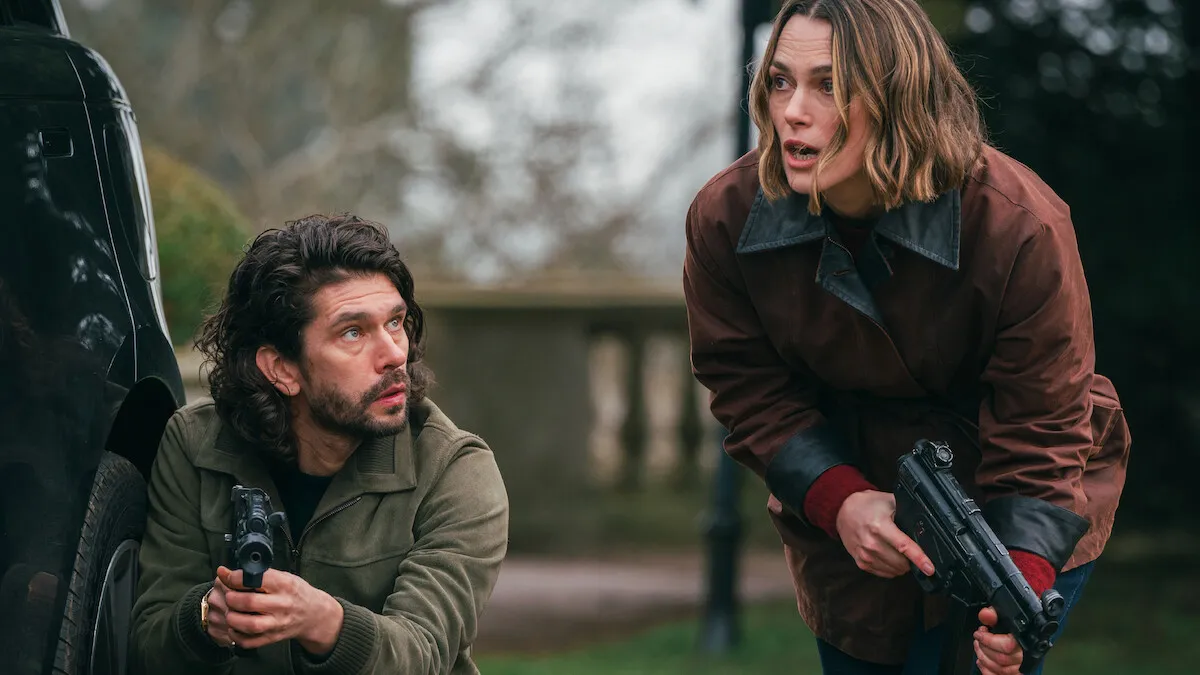
When Black Doves returned for its sophomore run on Netflix on November 5 2026, viewers were promised more intrigue, sharper wit and a deeper look at the fragile line between duty and desire. Creator Joe Barton leans into those themes, turning a conventional spy‑thriller premise into a study of how affection can both empower and entrap agents trapped in a world where secrets are currency.
Synopsis
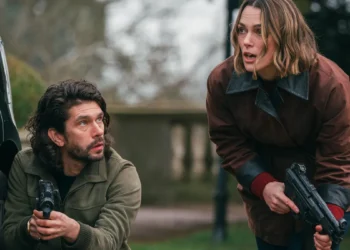
Helen Webb (Keira Knightley) continues her double life as the polished wife of rising politician Wallace while covertly feeding classified information to the clandestine outfit Black Doves. Assigned to marriage counselling, she must feign sincerity without revealing the true source of their strain. As Wallace ascends to Prime Minister, Helen’s access widens, raising the stakes of exposure. Simultaneously, operative Sam Young (Ben Whishaw) is coerced into a series of killings by the manipulative Patrick (Sam Riley), whose cryptic envelopes blur the line between contract work and personal torment. Flashbacks to Reed’s (Sarah Lancashire) Cold‑War era origins add depth to the organization’s motives, while a rotating cast of younger assassins introduces fresh moral ambiguities. Throughout six episodes, the series balances slick action set‑pieces with dry, character‑driven humor, constantly questioning whether love can survive when it is weaponized by those who employ it.
Performances
Keira Knightley delivers a nuanced portrayal of Helen, toggling effortlessly between the poised diplomat’s spouse and the weary field operative. Her ability to convey genuine marital concern while maintaining a façade of innocence makes the central deception feel lived‑in rather than contrived. Ben Whishaw captures Sam’s exhausted resignation with quiet intensity; each new hit feels like a burden he bears reluctantly, yet his moments of vulnerability elicit empathy without excusing his violence. Sarah Lancashire’s Reed is imposing yet haunted, her stern exterior cracking just enough to reveal a history that fuels her loyalty. Sam Riley’s Patrick exudes a calm menace that makes his coercive offers unsettlingly plausible. The ensemble—featuring Ella Lily Hyland, Gabrielle Creevy, Ambika Mod, and others—supplies the series’ trademark dry wit, turning interpersonal squabbles over music or bar snacks into endearing reminders that even killers crave normalcy.
Behind the Lens
Joe Barton’s script thrives on contrast: high‑octane set pieces (gallery heists, country‑house ambushes) sit beside subdued, dialogue‑rich scenes in counselling rooms and domestic kitchens. Cinematographers Gary Shaw, Mark Patten, Giulio Biccari, and Ben Wheeler employed muted palette for the political interiors, shifting to cooler, desaturated tones during field operations, visually underscoring Helen’s dual worlds. The editing rhythm mirrors the show’s tonal swings—quick cuts during gunfights give way to lingering shots in quieter moments, allowing the audience to feel the tension between action and introspection. Sound design deserves mention; the subtle use of ambient chatter in crowded events contrasts sharply with the crisp, almost clinical report of gunfire, reinforcing the series’ commentary on how violence becomes routine amidst everyday life.
Final Verdict
Black Doves Season 2 succeeds in marrying espionage thrills with a surprisingly intimate examination of love as both shield and liability. The performances—particularly Knightley’s layered Helen and Whishaw’s weary Sam—anchor the series in emotional authenticity, while Barton’s writing ensures that humor never undercuts the underlying peril. Minor shortcomings appear in the handling of certain flashback arcs, which occasionally feel rushed and fail to fully earn the emotional weight they aim for. Nevertheless, the season’s clever balance of slick set‑pieces, witty banter, and genuine character moments makes it a compelling watch for fans of smart, character‑driven thrillers.