

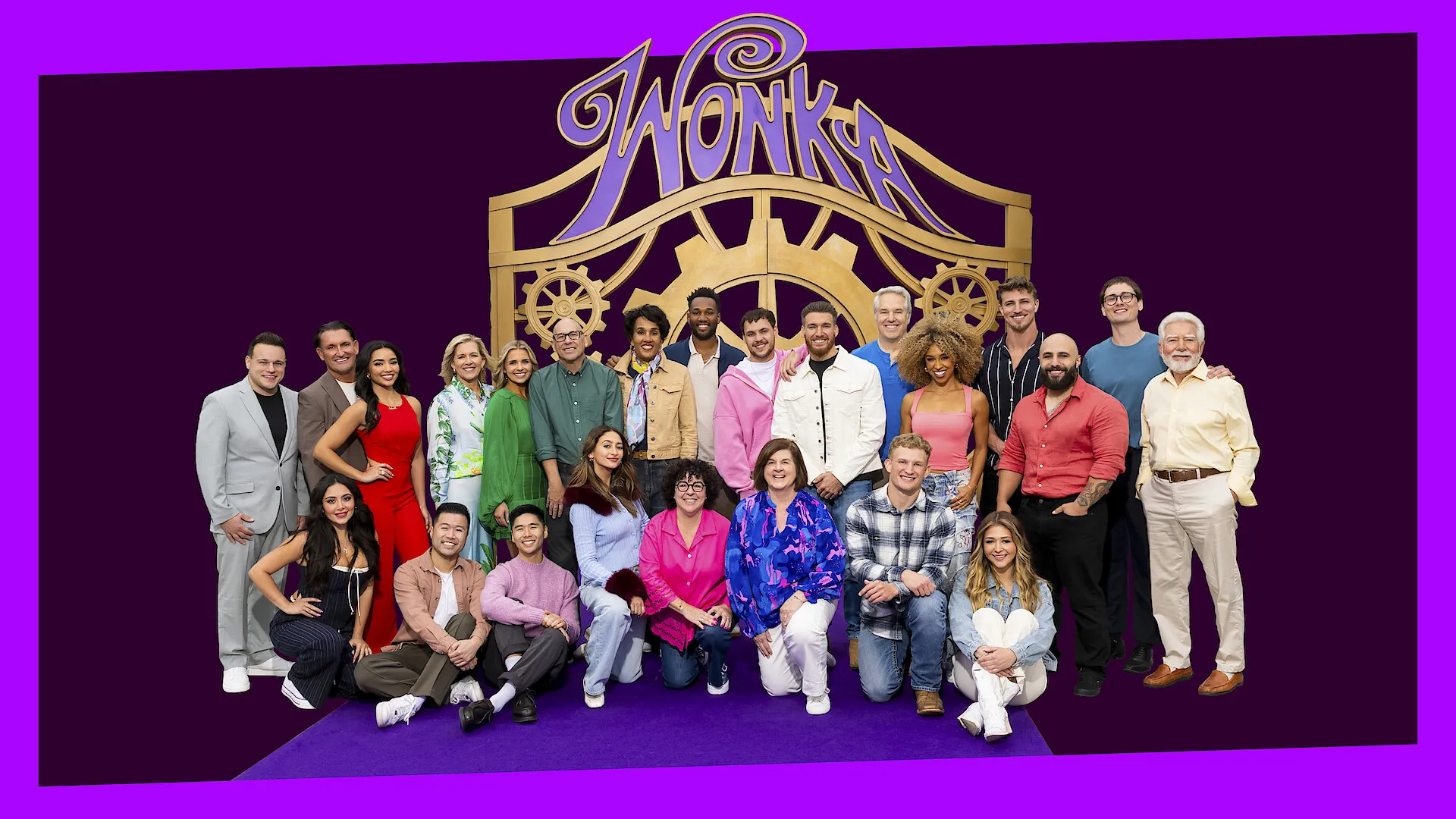
Netflix has taken Roald Dahl’s classic moral fable and reshaped it into a high‑stakes reality competition. Titled Wonka’s The Golden Ticket, the series drops twelve pairs of contestants into a fully‑functional chocolate factory and challenges them with physical, mental and ethical tests. The prize? A life‑changing cash award. While the premise feels faithful to the source material, the show flips Dahl’s warning about unchecked greed on its head, rewarding the very behavior the original story condemned.
Concept and Format: A Literal Take on the Tale
The series opens with twelve “Golden Ticket” winners, each accompanied by a partner of their own choosing. From the moment they cross the factory gates, contestants are thrust into a sequence of games that mimic the temptations and traps found in Willy Wonka & the Chocolate Factory (1971) and its later adaptations.
- Elimination Rounds: Each episode pits the teams against one another in challenges that test stamina, problem‑solving and moral choices.
- Progressive Culling: As the season advances, the field narrows until a single duo remains to claim the cash prize.
The format is deliberately transparent: viewers watch ordinary people grapple with a setting designed to provoke “grabbing” behavior—exactly the appetite that Dahl used to expose character.
Production Design: From Set Piece to Real Location
Unlike many reality shows that rely on temporary backdrops, Wonka’s The Golden Ticket was built as a working set. Eureka Productions, the Australian format house behind the series, constructed an entire chocolate factory on the Gold Coast. The location serves as both stage and obstacle course, offering contestants—and the audience—a fully immersive experience that feels more like a theme park than a television set.
AI‑Generated Gene Wilder Voice: Innovation Meets Controversy
One of the most talked‑about elements is the recreation of Gene Wilder’s iconic narration. Using artificial‑intelligence technology from ElevenLabs, the production generated Wilder’s voice with the explicit permission of his estate; his widow, Karen B. Wilder, signed off on the usage. This marks the first time Wilder’s voice has been attached to a Wonka project since his death in 2016.
The decision lands squarely in the ongoing Hollywood debate over synthetic performances. On one hand, it offers a nostalgic bridge for fans; on the other, it raises questions about posthumous compensation and artistic integrity. Whether viewers see the AI voice as a respectful homage or a slippery precedent largely depends on their pre‑existing stance on digital recreations.
Casting Choices: Bridging Past and Present
The show also nods to the 1971 classic by bringing back Rusty Goffe, who originally played an Oompa‑Loompa, as a live‑action factory employee. By placing a genuine original cast member alongside an AI‑generated counterpart, the series subtly suggests that both human and synthetic performances can coexist within the same narrative universe.
Business Strategy: Turning a Literary Asset into a Streaming Engine
Netflix’s acquisition of the Roald Dahl Story Company in 2021 gave the streamer full control over Dahl’s catalogue. Wonka’s The Golden Ticket is the first tangible outcome of that purchase, turning a beloved literary property into a measurable content asset.
- Brand Leverage: The “Wonka” name carries instant recognition from three major film adaptations—Willy Wonka & the Chocolate Factory (1971), Tim Burton’s Charlie and the Chocolate Factory (2005), and the 2023 origin story.
- Cost Efficiency: Using an AI‑generated voice reduces licensing fees and eliminates the need for a high‑profile celebrity narrator.
- Viewer Retention: The split‑release model—seven episodes debuting on 23 September 2026, followed by a two‑part finale on 30 September—maximizes weekend viewership and sustains buzz across two weeks.
In essence, the competition format provides a low‑budget, high‑frequency touchpoint for the brand between more expensive scripted projects, keeping the factory—and the associated intellectual property—alive in subscribers’ minds.
Moral Contradiction: Rewarding the Greedy
Dahl’s original story ends with the moral that the child who doesn’t reach for the factory is the one worthy of it. Wonka’s The Golden Ticket flips this lesson: the contestants who most aggressively pursue the prize survive each elimination. The show therefore creates an intentional paradox, spotlighting the tension between the narrative’s cautionary roots and the realities of a prize‑driven competition.
Verdict: A Sweet Yet Bittersweet Experiment
Wonka’s The Golden Ticket succeeds as a visually stunning, well‑produced reality series that taps into the nostalgia of Charlie and the Chocolate Factory while delivering the suspense expected of modern competition shows such as Squid Game: The Challenge, The Traitors and The Mole. Its most compelling—and controversial—features are the AI‑crafted Gene Wilder narration and the ethical questions it raises.
For fans of Dahl, reality TV enthusiasts, and industry watchers alike, the series offers a fascinating case study in how classic literature can be repurposed for streaming platforms, even when the adaptation runs counter to the source material’s original moral.
Premiering on Netflix on 23 September 2026, Wonka’s The Golden Ticket delivers nine episodes (≈50 minutes each) that blend family‑friendly aesthetics with a cut‑throat competition structure. Whether you watch for the candy‑colored set, the nostalgic voice of Gene Wilder, or the strategic gameplay, the series proves that a timeless story can be reinvented—though not without stirring a few moral questions along the way.