

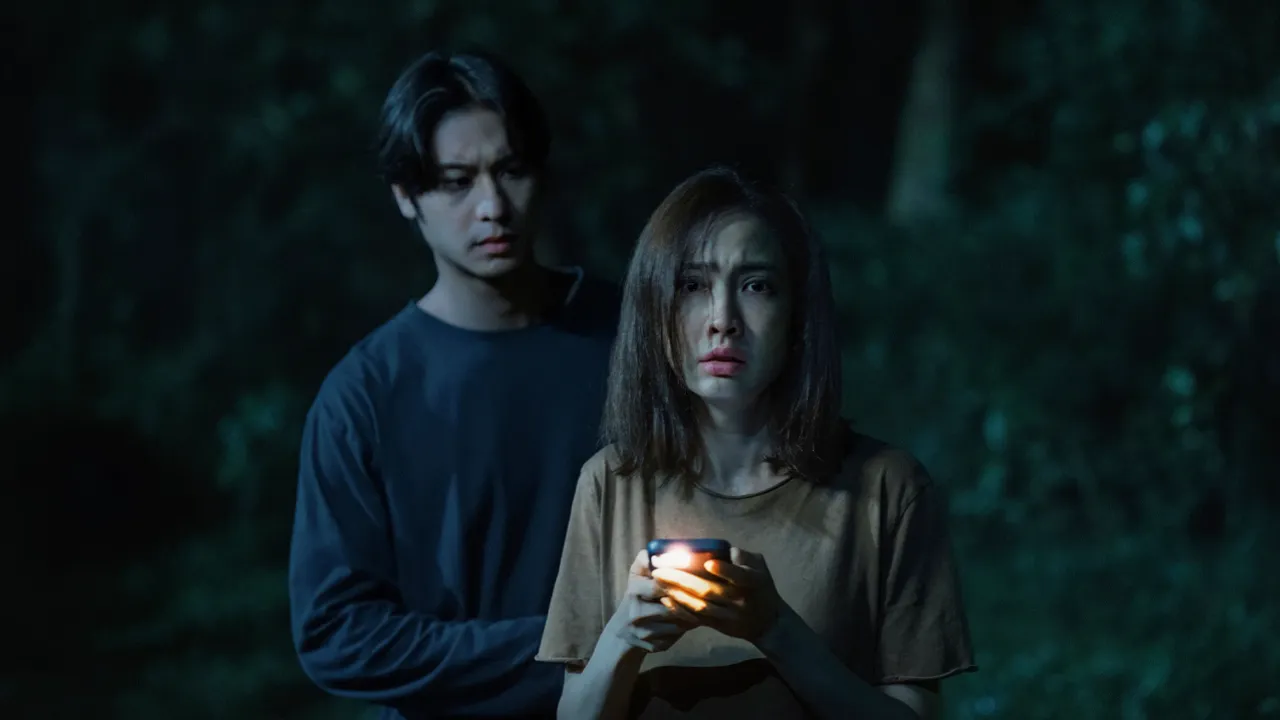
Netflix’s latest offering from Thailand, Delusion, promises a gripping mix of rural mystery, familial strife, and supernatural folklore. Directed by Chayan Laoyodtrakool and penned by a trio of writers, the series attempts to weave social commentary with a murder‑investigation framework. While the premise raises intriguing questions about belief systems, parenting failures, and communal apathy, the execution falters under the weight of an overly tangled narrative that never finds a steady rhythm.
Synopsis
Set in the isolated village of Na Sao, the story follows Wan, a woman torn between her strained marriage and her duty to her ailing parents. When her mother, Pannee, is attacked by her husband Norang—who believes she is the demon Phii Pong—Wan rushes to the scene with her young son, Aim. She enlists the help of her doctor brother, Wat, whose professional obligations keep him away. Upon arrival, Wan discovers that both parents have been hospitalized, prompting a police investigation led by the newly transferred officer Pete. Pete suspects Norang’s alleged possession and begins probing a missing‑persons case tied to the village shaman, Sak, who also happens to be Pannee’s sibling. As the investigation unfolds, the line between superstition and reality blurs, forcing each character to confront personal loyalties and the darker undercurrents that simmer beneath Na Sao’s tranquil façade.
Performances
The ensemble delivers a mixed bag of performances, largely hampered by thin character arcs. Taew‑Natapohn Phornprapha, cast as the central protagonist Wan, oscillates between exasperation and confusion, only mustering a faint spark of resolve in the final moments. Jes‑Jespipat Tilapornputt struggles to balance Pete’s earnest determination with a world‑weary outlook, resulting in a portrayal that feels wooden rather than nuanced. August Vachiravit Pakisarnkulwong, positioned as the show’s “secret weapon,” appears too late to impact the story’s trajectory. Supporting turns from Tom‑Sirani Yankittan, Boombim Samtone, and Surasak Chaiyaat provide occasional flashes of intensity, though their material often reduces them to caricatures. Tham‑Norraphat Nakadumrongchai manages to inject charm into a role that the script treats juvenilely, offering the most memorable glimpse of humanity amid the turmoil.
Behind the Lens
Chayan Laoyodtrakool’s direction leans heavily on the languid pace of village life, intending to mirror the slow burn of a traditional murder mystery. Unfortunately, this deliberate slowness never translates into meaningful character development or thematic depth; instead, it becomes a liability that stalls momentum. The writing team lays out the core ideas—critiques of blind faith, poor parenting, and societal indifference—early on, yet the script repeatedly circles back to the same exposition without advancing the argument. The climax resorts to a heavy‑handed info‑dump that feels more like a checklist than a satisfying resolution.
From a technical standpoint, production design, costume work, and set dressing are competent but lack vibrancy; the visual palette remains muted, depriving the story of the texture needed to heighten its horror‑tinged moments. The series flirtations with supernatural elements—particularly the Phii Pong mythos—are tentative, never committing fully enough to justify their presence, which leaves viewers questioning their narrative purpose. A final attempt at nonlinear storytelling feels tacked on, muddying the waters after the central mystery has already been clarified and contributing little beyond a superficial twist.
Final Verdict
Delusion possesses the ingredients for a compelling crime drama: a evocative setting, relevant social themes, and a capable cast. However, the series squanders its potential by allowing an unnecessarily convoluted plot to overshadow its message. The pacing, while intentionally reflective of rural life, fails to serve character or theme, and the supernatural flirtations remain half‑baked.
For viewers seeking a tightly plotted mystery with resonant commentary, this show is likely to disappoint. If you remain curious, approach with tempered expectations—there are glimmers of insight, but they are buried beneath a narrative that never quite finds its footing.