

Netflix’s latest original, Habeas Corpus, arrives as the platform’s first Brazilian‑produced courtroom series, promising a blend of procedural rigor and emotional melodrama. Set against the backdrop of a nation grappling with high incarceration rates and a history of overturned convictions, the show uses the age‑old writ of habeas corpus as both title and thematic anchor. By positioning the legal system itself on trial, the series invites viewers to question whether justice can be repaired from within the very institutions that delivered the original verdict. This review unpacks the series’ narrative core, performances, production qualities, and overall impact, offering a clear verdict for anyone considering a binge.
Synopsis
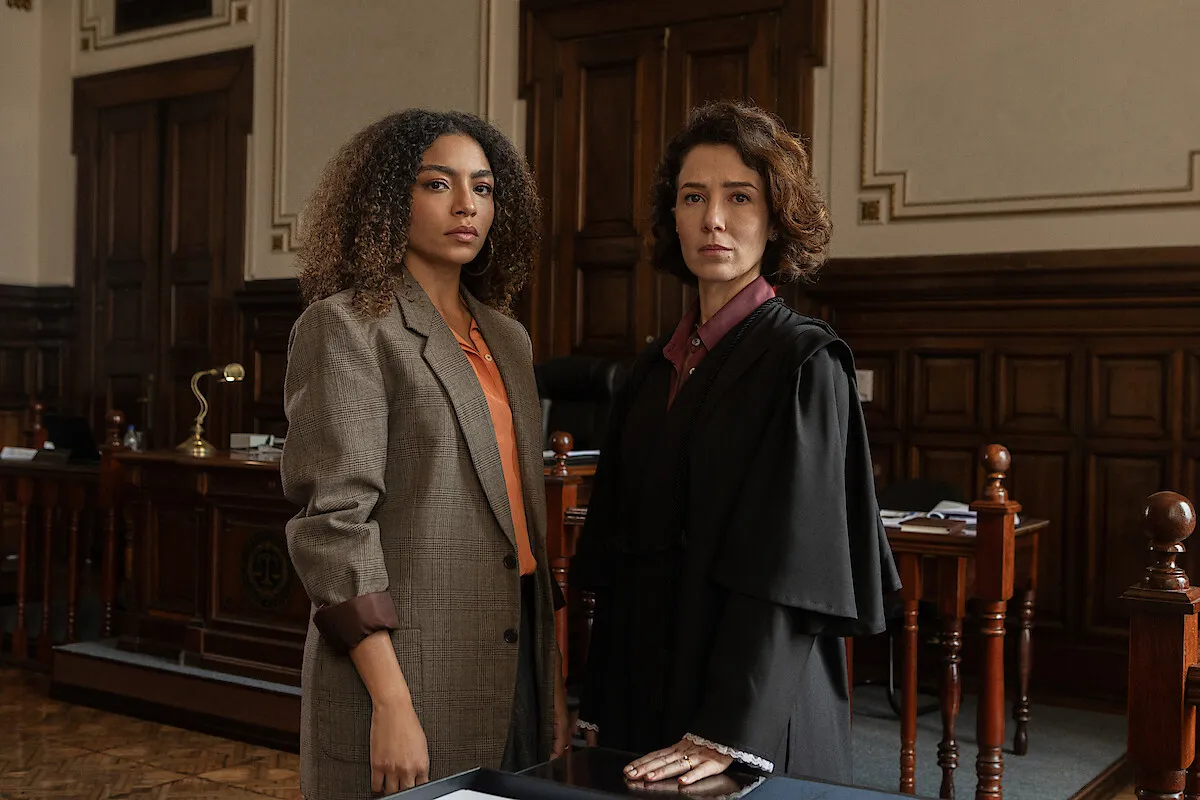
Inez, a determined law professor portrayed by Marjorie Estiano, leads a university‑based innocence project that revisits closed criminal cases. When a bright‑eyed student, Marina (Any Gabrielly), joins the team with a personal stake in a long‑settled conviction, the group’s objective shifts from impartial analysis to a deeply felt quest for truth. As they pore over evidence, confront bureaucratic resistance, and unearth hidden family ties, the series examines the tension between procedural detachment and the human desire for redemption. The narrative never reveals the ultimate outcome of the case, focusing instead on the moral and emotional stakes that drive each character forward.
Performances
Marjorie Estiano anchors the series with a steady, authoritative presence that conveys both intellectual rigor and quiet vulnerability. Her portrayal of Inez feels lived‑in, making the professor’s moral convictions palpable without veering into melodrama. Any Gabrielly brings a youthful intensity to Marina, balancing ambition with a palpable sense of personal history that fuels her relentless pursuit.
The supporting cast—Vladimir Brichta, Danton Mello, Marisa Orth, Natália Lage, and Naruna Costa—delivers nuanced turns that enrich the courtroom dynamics and highlight the interpersonal friction that fuels the story. Together, the ensemble creates a believable academic community where legal debate and personal grief intertwine seamlessly.
Behind the Lens
Created by Luiz Villaça, Leonardo Moreira, and Donna Oliveira, with Villaça sharing directing duties alongside Flávia Lacerda, Habeas Corpus benefits from a tight creative vision. The series was produced by Café Royal, under executive producer Adriana Tavares, and draws heavily from the real‑world work of Innocence Project Brasil. This grounding lends authenticity to the procedural elements, ensuring that courtroom tactics, evidentiary hurdles, and institutional push‑back feel genuine rather than stylized.
Cinematography favors subdued palettes that echo the weight of the subject matter, while the score subtly underscores moments of revelation without overwhelming the dialogue. The decision to film entirely in Brazil, using local legal settings and language, reinforces the show’s commitment to cultural specificity—a choice that differentiates it from generic courtroom imports.
Final Verdict
Habeas Corpus marries the cold logic of evidentiary review with the heated pulse of personal stakes, refusing to treat the two as opposing forces. The series respects the audience’s intelligence by presenting procedural detail clearly while allowing emotional undercurrents to simmer beneath the surface. Though the show occasionally leans on melodramatic tropes, its strong performances, authentic Brazilian backdrop, and thoughtful exploration of systemic flaws elevate it above standard fare. For viewers interested in stories that question the possibility of redemption within flawed institutions, Habeas Corpus offers a compelling, thought‑provoking watch.