

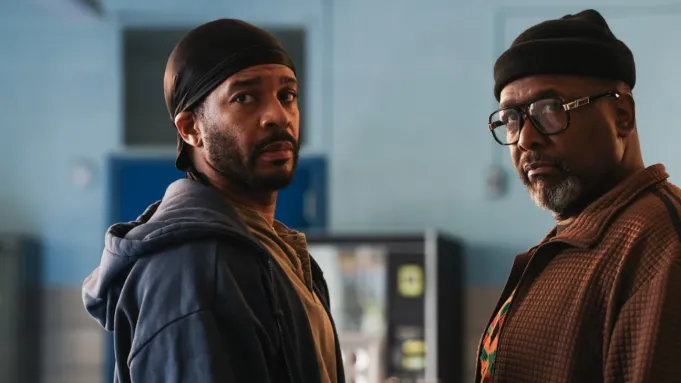
Sheldon Candis’ They Fight arrives as a hybrid sports-drama film that attempts to blend a personal redemption arc with an uplifting underdog story. Based on a documentary and a Washington Post feature, the movie follows former inmate Walt Manigan (André Holland) as he returns to a struggling Southeast Washington DC recreation center to coach a trio of teenage boxers. While the premise promises depth, the execution stumbles under rushed pacing and uneven focus, leaving audiences with a glimpse of what could have been a richer character study.
Synopsis
After serving three years of a five‑year prison term, Walt Manigan earns early parole and is instantly faced with the challenge of confronting his own remorse. He is recruited to coach a trio of teenage boxers—Peanut, Quincey, and Twin—who train at a struggling recreation center that may soon shut down. While wrestling with his past as an ex‑convict, Walt also contends with the pull of fatherhood, the lingering ache for his former girlfriend, and the temptation of a second chance with her. As the boys prepare for a national tournament that could rescue their gym, the narrative intertwines Walt’s personal battles, the pressures of the community, and the sport of boxing into a tight ninety‑minute story.
Performances
André Holland delivers a heartfelt turn as Walt, imbuing the role with emotional conviction even when the script leans on familiar tropes. Samira Wiley brings quiet strength to Ketta, the woman whose hesitation mirrors Walt’s own fear of relapse. Wendell Pierce shaky rec‑center director who belief in the kids provides a steady anchor amidst the chaos. The younger trio of boxers—Jenkins, Toussaint Battiste, and Tory J. capture the restless energy of adolescents yearning for direction, though their individual arcs remain underdeveloped due to limited screen time.
Behind the Lens
Candis attempts to juggle two tones: a gritty, adult‑focused drama about post‑incarceration life and a feel‑good sports montage. The result is a film that feels torn between intimacy and spectacle. Editing accelerates the narrative, often truncating moments that deserved more breathing room—particularly the boxing sequences, which lack the tactical detail that could have elevated the final tournament.
Montages appear roughly every ten minutes, reinforcing a formulaic rhythm that dulls the impact of more nuanced scenes. Cinematography captures the stark realities of the neighborhood, yet the visual style does not consistently reinforce the thematic tension between personal failure and communal hope.
The soundtrack leans on familiar inspirational cues, underscoring the film’s attempt to uplift but sometimes feeling detached from the rawer moments of Walt’s internal battle.
Final Verdict
They Fight possesses a compelling premise and a standout performance from André Holland, yet it falters in delivering a cohesive, emotionally resonant story. The film’s ambition to explore redemption, fatherhood, and community empowerment is admirable, but the hurried execution and reliance on genre shortcuts prevent it from reaching its full potential.
Viewers interested in the true‑life inspiration behind the story may find the original documentary or the Washington Post article more satisfying, while casual audiences might appreciate the film’s earnest attempts at inspiration despite its shortcomings.
Also Read:
Redemption in the Ring: The Emotional Journey of “They Fight”