

The Wrong Girls hit North American screens on August 14, 2026, courtesy of Neon, and it immediately set itself apart from the usual stoner‑comedy fare. Director Dylan Meyer hands us a wild ride that blends a low‑key Los Angeles backdrop with a dash of psychic hijinks, all while celebrating a friendship that refuses to be tidy. The film’s premise is simple enough—two inseparable best friends stumble onto a mysterious briefcase and an experimental drug—but the execution transforms that premise into a surprisingly fresh look at adulthood, codependency, and the absurdity of “being adult.”
Synopsis
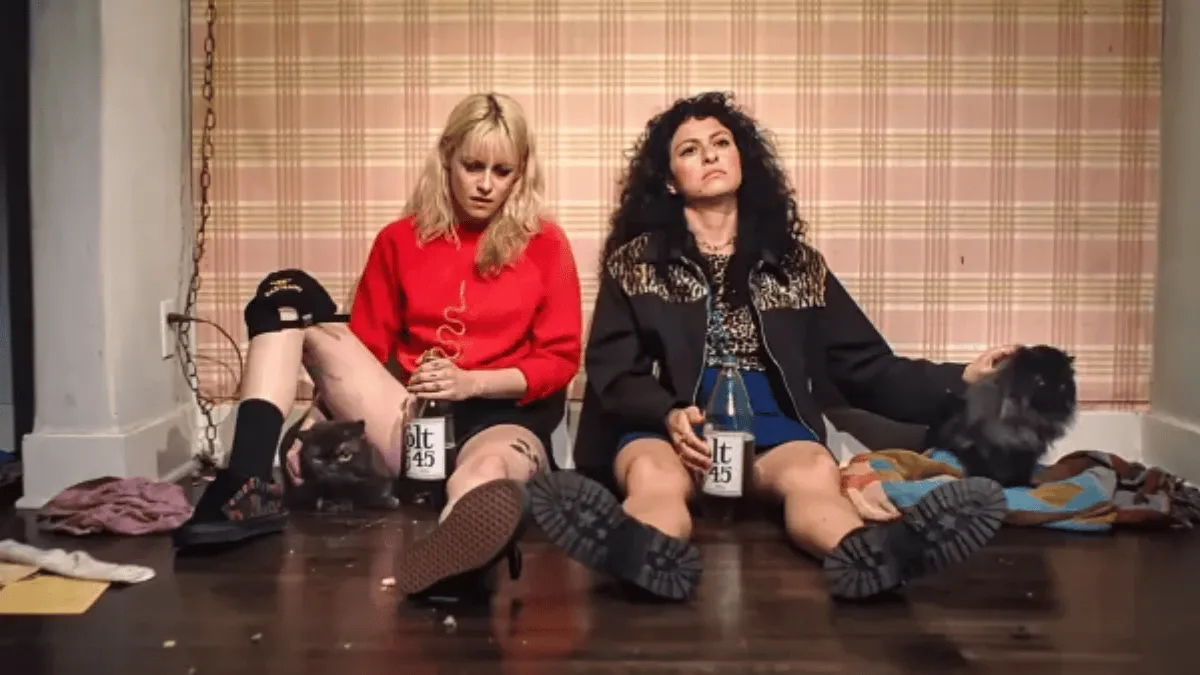
In the sun‑bleached sprawl of Los Angeles, Frankie (Kristen Stewart) and Molly (Alia Shawkat) run a chaotic, weed‑infused household they call the “Casa de Chill Zone.” When a briefcase meant for someone else lands in their hands, the duo inadvertently ingest a strange substance that unlocks a telepathic link between them. Suddenly, their already intimate, unspoken communication becomes literal, drawing the attention of dangerous strangers who want the drug back. What follows is a madcap chase through the city’s underbelly, peppered with quirky set‑pieces, improvised inventions, and a series of misadventures that test the limits of their bond.
Performances
Kristen Stewart stretches Frankie’s bravado into a deliciously volatile mix of sarcasm, petulance, and sudden bursts of resourcefulness. Her delivery swings from razor‑sharp one‑liners to moments of genuine vulnerability, making Frankie feel like a living contradiction—tough on the outside, insecure underneath. Alia Shawkat matches this energy with a warmer, grounding presence as Molly. Her timing is impeccable; she offers calm reassurance, off‑beat humor, and a steady hand whenever Frankie’s impulsiveness threatens to derail their plans. The chemistry between the two leads feels earned, as if they’ve been exchanging inside jokes for decades. Their banter flows without exposition, allowing the telepathic element to feel like an organic extension of an already established, secret language.
Behind the Lens
Meyer’s direction leans into the film’s lo‑fi aesthetic, letting the cluttered interior of the Casa—complete with a DIY “Bong‑o‑Tron,” cat‑centric furniture, and makeshift décor—serve as a character in its own right. The production design avoids generic “messy apartment” tropes by layering personal artifacts that hint at years of shared history. Cinematographer (Todd Banhazi) captures LA’s neon‑lit streets with a handheld intimacy that mirrors the protagonists’ erratic journey, while the color palette shifts from muted earth tones inside the loft to saturated, almost hyperreal hues during the drug‑induced telepathic sequences.
The screenplay balances familiar chase‑movie beats with off‑beat humor that often veers into the absurd (think mis‑numbered briefcases, a talking cat cameo, and a series of “420‑ish” misunderstandings). While some jokes feel recycled, Meyer compensates with sharper observational comedy—like the way the house’s ridiculous “garbage‑bag fashion” becomes a visual shorthand for the characters’ rejection of conventional adulthood. The film’s pacing deliberately resists tight efficiency; each detour underscores the theme that usefulness is not the sole measure of a worthwhile life.
Final Verdict
The Wrong Girls may not reinvent the stoner‑comedy chase formula, but it does something rarer: it grants two women the freedom to be reckless, dependent, and profoundly competent on their own terms. The telepathic drug is less a plot gimmick than a metaphor for the deep, unspoken language Frankie and Molly have cultivated over years of shared chaos.
Kristen Stewart and Alia Shawkat deliver performances that are simultaneously hilarious and heartfelt, anchoring a story that oscillates between slapstick set‑pieces and genuine emotional beats. Though the film’s humor occasionally leans on familiar punchlines, its core—celebrating a friendship that refuses to be “fixed”—remains fresh and resonant. In a genre that often sidelines female leads, The Wrong Girls stakes its claim as a wildly entertaining, oddly tender ode to the beauty of being unapologetically imperfect.