

Michael Mann’s Manhunter has long been regarded as a hidden gem in the thriller canon. Initially dismissed upon its summer 1986 release, the film has undergone a remarkable transformation from critical pariah to revered classic. The newly unveiled Manhunter: The Final Cut—a meticulously supervised 4K restoration—offers audiences a chance to experience Mann’s vision with unprecedented clarity, reinforcing why many now consider it the director’s finest work.
Initial Reception and Cult Rise
When Manhunter first hit theaters, critics labeled it “style over substance,” and general audiences stayed away. The film’s grim subject matter— a methodical pursuit of a cannibalistic killer—was deemed too lurid for mainstream sensibilities. However, the very elements that alienated early viewers found a receptive audience on home video. VHS renters discovered the film’s hypnotic blend of Dante Spinotti’s neon‑splashed cinematography, Michel Rubini’s synth‑laden score, and a narrative that dared to ask viewers to empathize with a monster. Word‑of‑mouth turned the tape into a cult staple, paving the way for a reevaluation of Mann’s ambitious adaptation of Thomas Harris’s novel Red Dragon.
Visual and Audio Brilliance
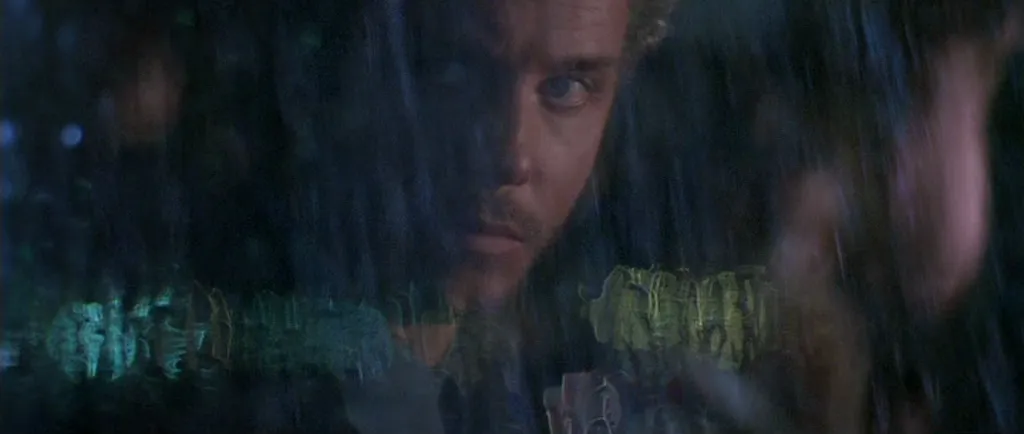
The restored 4K presentation sharpens every frame of Spinotti’s signature look. Neon‑drenched interiors and rain‑slicked streets now pop with heightened contrast, while the grain structure remains faithful to the original 35mm aesthetic. Audio has been remixed into a immersive 5.1 surround mix, allowing Rubini’s atmospheric synths and the film’s unsettling sound design to envelop the listener. The iconic Iron Butterfly track “In‑A‑Gadda‑Da‑Vida” that underscores the final showdown feels more visceral than ever, amplifying the tension without overwhelming the dialogue.
Psychological Depth and Character Study
At its core, Manhunter is a study of fractured psyches. William Petersen’s Will Graham, a retired FBI profiler haunted by his encounter with Brian Cox’s Dr. Hannibal Lecktor, is portrayed with a weary intensity that reveals the cost of peering into darkness. The film’s narrative structure deliberately blurs the line between hunter and hunted; early scenes show Francis Dollarhyde (Tom Noonan) recording his own movements, forcing the audience to share his voyeuristic gaze. This technique flattens perspective, making Graham’s internal struggle palpable.
The relationship between Dollarhyde and the blind Reba (Joan Allen) adds a poignant layer of humanity to the killer, underscoring his tragic yearning for connection. Meanwhile, Cox’s Lecktor—appearing in only three brief scenes—delivers a restrained, unsettling performance that foreshadows the later, more flamboyant portrayal by Anthony Hopkins. Mann’s decision to keep Lecktor largely off‑screen amplifies his menace, letting his influence loom over the narrative like a shadow.
The Final Cut Enhancements
For this definitive edition, Mann personally oversaw a fresh edit, tightening select moments to heighten psychological suspense and deepening character motivations. Color grading was revisited to preserve the film’s original palette while enhancing detail in shadowed scenes. The audio overhaul ensures that every whisper, footstep, and synth swell is rendered with precision. These refinements transform a once‑overlooked title into a polished showcase of Mann’s meticulous craftsmanship, affirming its status as a masterpiece rather than a mere genre entry.
Release Details and Availability
Manhunter: The Final Cut premiered in select U.S. theaters via Rialto Pictures on July 24, 2026, with additional markets rolling out in the following weeks. U.K. audiences can catch the film in cinemas starting September 25, 2026, courtesy of StudioCanal. A physical media release—complete with bonus features documenting the restoration process—is slated for later in the year, giving collectors and newcomers alike a chance to own the definitive version of this influential thriller.