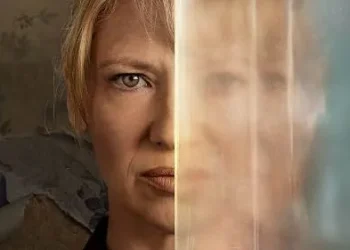


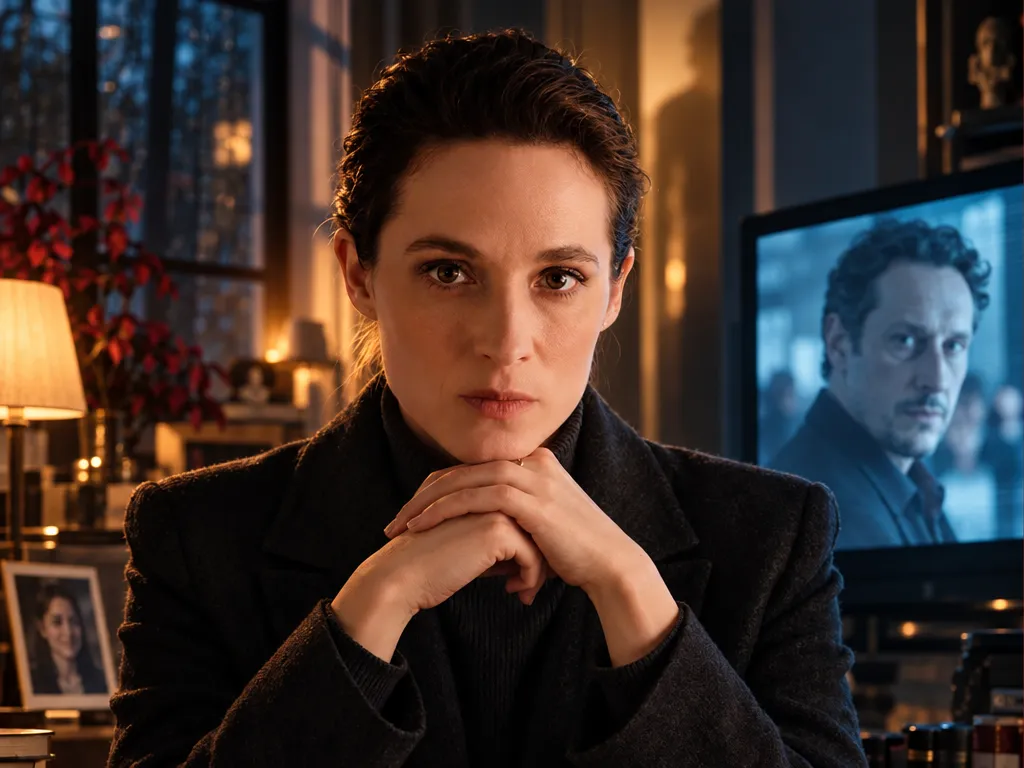
Netflix’s latest offering, The Trap, plunges viewers into a moody German crime drama that blends psychological tension with a haunting mystery. The series centers on a reclusive author whose traumatic past resurfaces when she believes she has finally identified her sister’s killer. Over six tightly paced episodes, the show wrestles with unreliable narration, guilt‑ridden memory, and the thin line between imagination and reality. While it does not reinvent the thriller wheel, it delivers enough twists and atmospheric depth to keep genre fans engaged—provided they temper expectations for a neat, tidy conclusion.
Synopsis
A decade after the brutal stabbing of her beloved sister Anna, Lisa Konrad lives in self‑imposed isolation at a publisher’s villa, refusing to step outside for fear that the unseen assailant will return. She channels her anguish into best‑selling novels written under a pseudonym, while constantly replaying the night of the murder in her mind. When a television journalist triggers a flicker of recognition, Lisa becomes convinced she has spotted the man who stood on her sister’s balcony that fateful night. Determined to confront him, she crafts a risky plan that forces her to blur the boundaries between her fabricated stories and stark reality, leaving viewers to question whether her pursuit is justice or a desperate fantasy.
Performances
Friederike Becht delivers a nuanced portrayal of Lisa, capturing the character’s oscillating fragility and fierce determination with striking authenticity. Her ability to convey both vulnerability and steely resolve makes the unreliable narrator compelling rather than merely confounding. Hans Löw’s turn as Robert Lenzen, the journalist who becomes Lisa’s focal point, grounds the narrative in a believable, understated presence that balances Becht’s intensity. Supporting turns, especially the assistant Yuma, provide subtle texture without diverting focus from the central psychological duel.
Behind the Lens
Director Isabel Kleefeld (co-created with Tom Spiess and Friederich Oetker, the team behind Dear Child) opts for a restrained visual language, using muted colour palettes and tight framing to echo Lisa’s claustrophobic world. The series’ structure—six episodes each labelled with a clear purpose—ensures the story never overstays its welcome, though occasional repetition in the middle act can feel predictable. The sound design leans heavily on ambient noises and a sparse score, heightening the sense that danger lurks just beyond the frame. While the show does not break new ground in terms of cinematic innovation, its meticulous attention to detail in depicting trauma‑induced dissociation deserves praise.
Final Verdict
The Trap is a solid, binge‑worthy thriller that excels when it leans into its psychological core rather than relying solely on plot twists. Audiences who appreciate character‑driven suspense will find Lisa’s journey both unsettling and oddly hopeful, even if the finale leaves some threads deliberately loose. If you approach it with modest expectations and an appetite for morally ambiguous protagonists, the series is worth adding to your watchlist.