

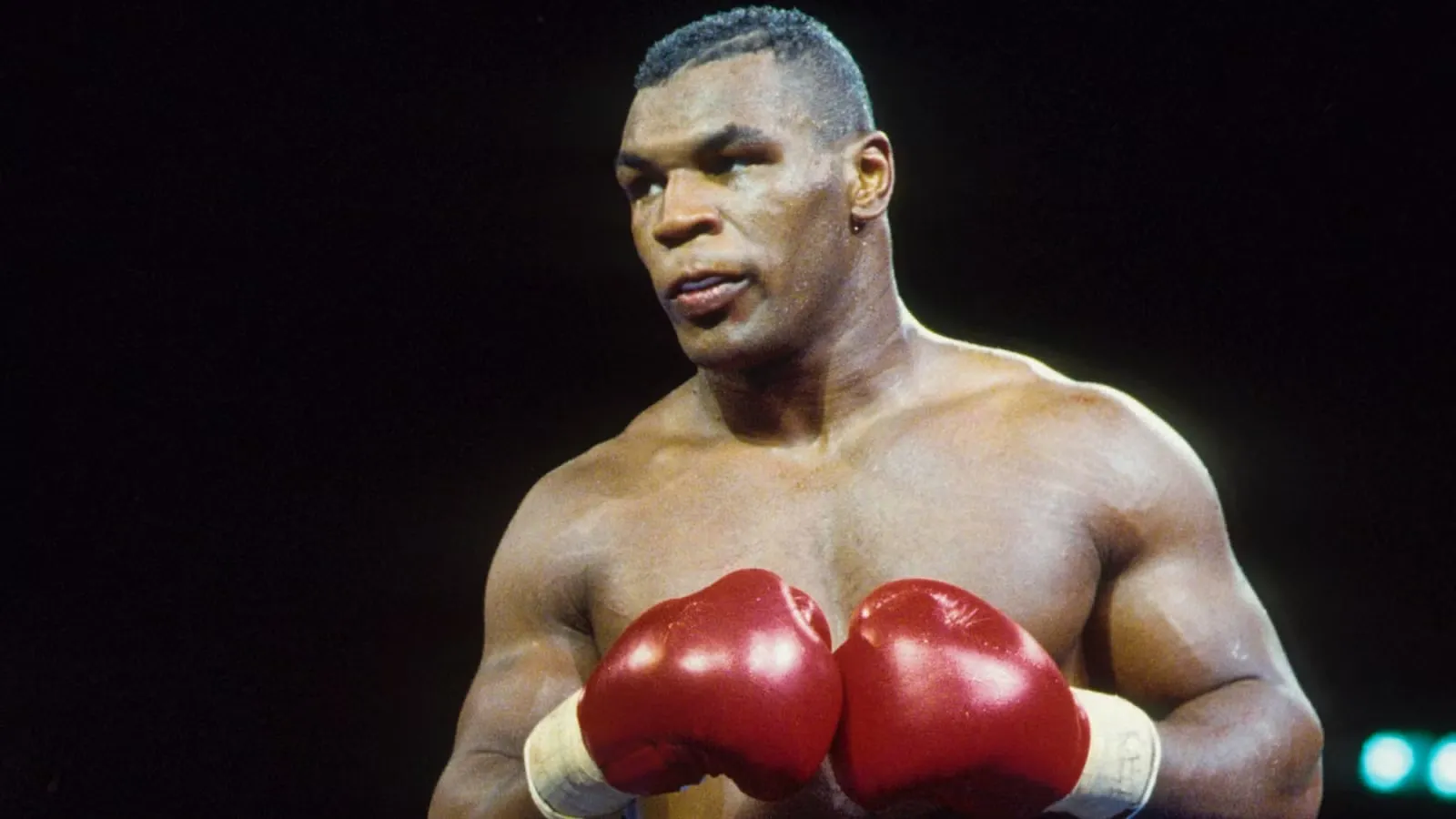
Netflix’s four‑part series Tyson offers a candid portrait of one of sport’s most enigmatic figures. Directed by Floyd Russ and executive produced by Bill Simmons, the documentary lets the former heavyweight champion speak at length about a life marked by extremes. Now sixty, Tyson reflects on a journey that began in the gritty streets of Brownsville, Brooklyn, and culminated in a career that reshaped boxing history. The series blends archival footage, interviews with former trainers and journalists, and intimate present‑day moments to create a narrative that is both informative and emotionally resonant.
Early Life & Mentorship
The opening episode dives into Tyson’s formative years. Growing up amid relentless violence—much of it emanating from his mother, who worked as a sex worker—he learned early on that survival required fists. A turning point arrived when he discovered boxing, a discipline that offered structure and purpose. Under the tutelage of legendary trainer Cus D’Amato, who had previously guided Floyd Patterson and Muhammad Ali, Tyson found a mentor who saw in him the potential to become the next great heavyweight. D’Amato’s boxing academy in Catskill, New York, became a sanctuary where Tyson trained relentlessly, describing that period as the happiest of his life. The bond between fighter and coach is highlighted through Tyson’s emotive recollections of D’Amato’s declining health and eventual death in November 1985, a loss that preceded his mother’s passing by only weeks.
Rise to Champion
Following a dominant run in the Junior Olympics, D’Amato pushed Tyson toward the professional ranks at just nineteen, intent on breaking Patterson’s record as the youngest heavyweight champion. Tyson’s ascent was meteoric; he knocked out opponent after opponent with brutal efficiency. In November 1986, at age twenty, he secured the WBC heavyweight title via TKO over Trevor Berbick, fulfilling D’Amato’s vision and etching his name into the record books. The series captures this triumph with a mix of fight footage and reflective voice‑over, underscoring how quickly the young phenom moved from obscurity to global fame.
Raw Reflections
What distinguishes Tyson from typical sports documentaries is the champion’s willingness to expose his inner turmoil. Throughout the episodes, Tyson speaks with little filter—whether expressing anger, admitting to criminal activities committed with friends during his Brownsville years, or breaking down while discussing D’Amato’s death. One particularly striking moment finds him lying on a rock, eyes closed, as a voiceover muses, “When the camera comes on, those demons will appear.” This vulnerability invites viewers to see beyond the caricature of the “baddest man on the planet” and recognize a man grappling with identity, trauma, and the weight of expectation.
Controversies & Legacy
The docuseries does not shy away from the darker chapters that followed Tyson’s early success. It hints at his tumultuous marriage to Robin Givens, the rape conviction that led to incarceration, the shocking loss to Buster Douglas, and the infamous ear‑biting incident during his bout with Evander Holyfield. By framing these events within the broader context of his life story, the series encourages audiences to consider how early environments and personal demons can shape decisions long after the spotlight fades. Tyson’s later‑life musings—questioning why the pursuit of a heavyweight title once seemed all‑important—offer a poignant reminder that even legends reevaluate their priorities with age.
Why It Matters
For general readers, Tyson serves as more than a sports recap; it is a study of resilience, redemption, and the human capacity for change. The documentary’s blend of factual reporting and personal confession makes it accessible to fans of boxing and newcomers alike. Its professional tone, coupled with Tyson’s unvarnished honesty, provides a balanced view that respects both the athlete’s achievements and his shortcomings.
Final Verdict
In sum, Tyson delivers an engrossing, four‑hour exploration of a life lived at the edge of extremes. The series succeeds because it lets the subject speak for himself, revealing a complexity that transcends the roar of the crowd. Whether you are drawn to the sport, intrigued by celebrity biographies, or simply seeking a well‑crafted documentary experience, this Netflix offering deserves a place on your watchlist.
Also Read:
From Brooklyn Streets to Global Icon: Netflix Unveils New Docuseries “TYSON”