

The second season of Sugar arrives on Apple TV with a global premiere on Friday, June 19, and new episodes released each Friday thereafter. All eight episodes of the new season, together with the complete first season, are now available for streaming. This review examines how the series expands its distinctive blend of sleek visuals, noir homages, and an otherworldly protagonist, while maintaining the emotional core that made the original compelling.
Synopsis
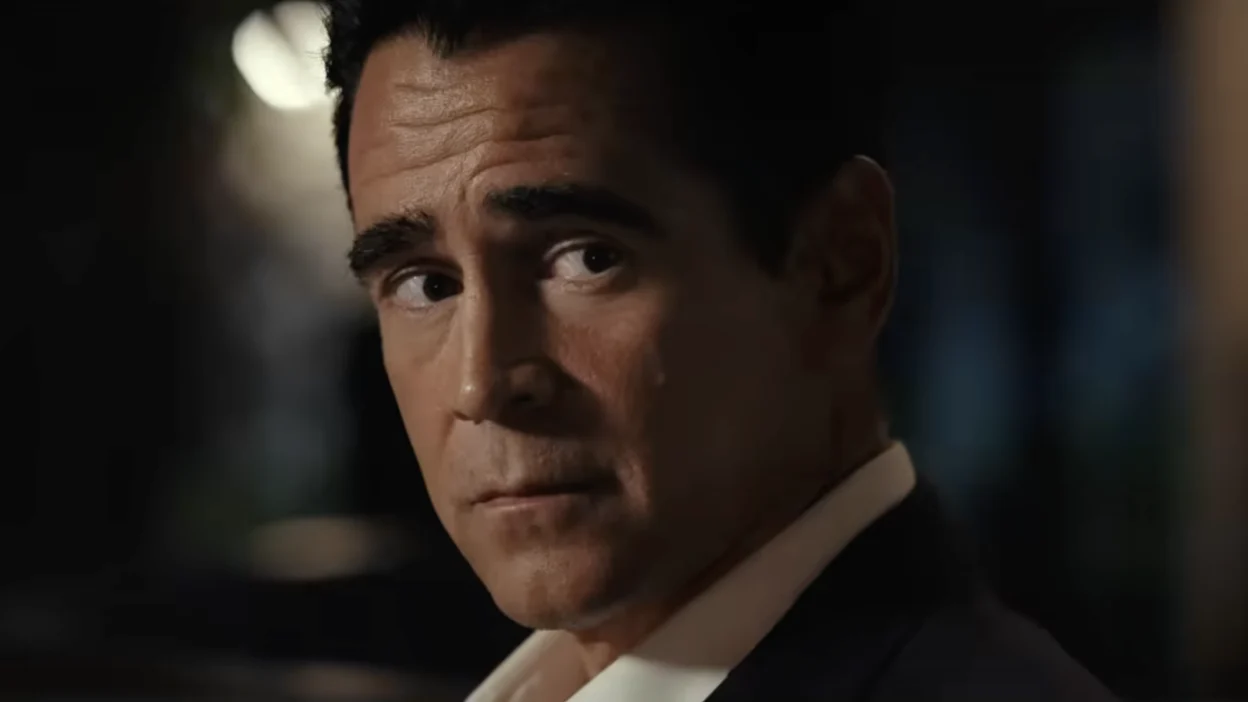
The most startling revelation from the first season—that private investigator John Sugar (Colin Farrell) is an alien dispatched to Earth on a secret mission—surfaces within the opening scene of Season 2. After his alien comrades were recalled at the end of the previous chapter, John chooses to stay behind, continuing his quest to locate his missing sister, a search that leaves him isolated and emotionally adrift.
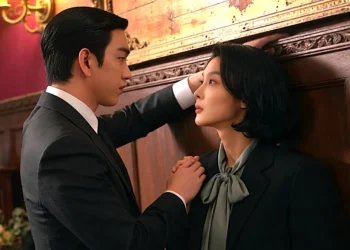
A new case presents itself when rising boxer Danny Moon (Jin Ha) seeks help finding his wayward brother Ji Moon (Raymond Lee), who has vanished amid suspected criminal activity. John, a specialist in reuniting lost individuals with their families, takes on the investigation while simultaneously grappling with personal loss and a lingering melancholy.
Assistance arrives in the form of Val (Sasha Calle), a quick‑witted car thief who demands cash in exchange for returning John’s prized vintage sports car, and later, Charlotte (Laura Donnelly), a businesswoman encountered at the hotel bar. Both women spark a romantic tension that conflicts with the alien directive prohibiting intimate relationships with humans, pushing John to contemplate defying the very rules that guided his mission.
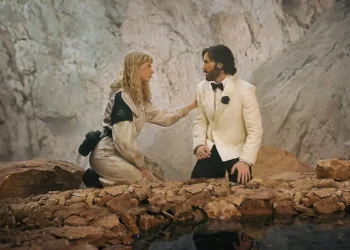
The season also shifts its cinematic influences. While the debut season leaned heavily on classic film‑noir clips, the new episodes broaden the reference pool to include mid‑century Los‑Angeles crime dramas and boxing‑centric noir tales, resulting in a richer, more varied visual palette.
Performances
Colin Farrell delivers a nuanced portrayal of a lone alien navigating human emotions, balancing suave confidence with vulnerability. His command of the character’s signature charm—evident in the impeccably tailored suits and polished one‑liners—remains the show’s anchor.
Jin Ha brings intensity and heart to Danny Moon, portraying a fighter whose personal struggles mirror the boxing noir archetype. Raymond Lee provides a compelling counterpoint as the elusive brother, while Sasha Calle injects dynamic energy as Val, offering both comic relief and a plausible love interest. Laura Donnelly’s Charlotte offers a sophisticated, grounded counterpart, adding depth to the romantic subplot.
The ensemble cast succeeds in conveying the internal conflict between alien duty and human desire, making each relationship feel authentic rather than contrived.
Behind the Lens
Creator Mark Protosevich (known for The Cell, Poseidon, I Am Legend, Thor, and Oldboy) crafted the original Sugar with extensive film‑noir citations, a stylistic choice that occasionally overwhelmed the narrative. For Season 2, showrunner Sam Catlin—previously a producer and writer on Breaking Bad and showrunner on Preacher—takes the reins and refines the approach.
Catlin expands the writing room, inviting diverse voices to contribute, which results in more layered storylines and a broader tonal range. The direction shifts from the constant insertion of classic noir clips to a broader cinematic palette, incorporating gritty 1950s boxing‑noir aesthetics and sweeping night‑time views of Los Angeles. The cinematography captures the city’s neon glow and harsh daylight equally well, providing a visual duality that mirrors John’s internal struggle between alien heritage and human connection.
The series also benefits from a more ambitious narrative structure, as John confronts the threat of assimilation while wrestling with personal loss, offering a tighter focus on character development without sacrificing the stylish flair that defines the show.
Final Verdict
Sugar Season 2 retains its signature elegance, delivering a polished neo‑noir experience that blends classic influences with contemporary storytelling. While some episodes could benefit from additional runtime to fully develop their arcs, the overall pacing maintains viewer engagement. The season’s willingness to explore deeper emotional territory—loneliness, loyalty, and the temptation of breaking cosmic rules—elevates it beyond a mere visual homage.
In summary, the series remains a stylish, emotionally resonant entry in the streaming noir genre, and the new season’s refined approach makes it a worthy addition to any viewer’s watchlist.