

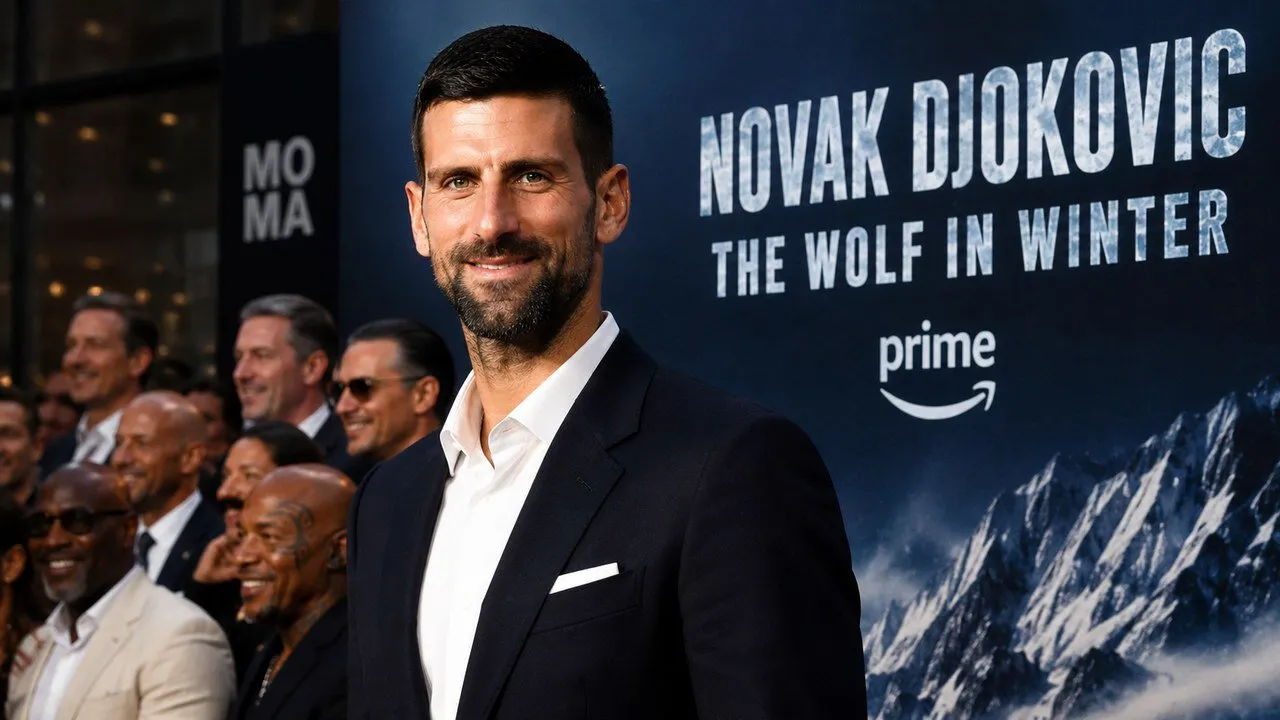
The tennis world is preparing for a candid portrait of one of its most enduring champions. Novak Djokovic: The Wolf in Winter arrives on Prime Video on Thursday, August 20, giving viewers a rare chance to see the man behind the 24 Grand Slam titles. The documentary blends on‑court highlights with intimate reflections on family, upbringing, and the lingering question of when the Serbian star might step away from professional competition.
Early Years Shaped by Adversity
Born in Belgrade during a period of political turmoil and economic hardship, Djokovic learned responsibility far earlier than most children. The unrest of the 1990s forced him to mature quickly, taking on adult‑like duties while still chasing a dream on the tennis court. He recalls that the mission he felt before him was clear: every effort was directed toward becoming a better player, a mindset that later fueled his relentless work ethic.
Climbing to the Summit
Over a 23‑year career, Djokovic has amassed statistics that read like a legend’s ledger—428 weeks ranked world No. 1, 24 Grand Slam singles crowns, and an Olympic gold medal. Those numbers place him firmly among the sport’s all‑time greats. Yet, despite the accolades, he insists that his legacy extends beyond trophies. In conversations with PEOPLE, he emphasized that personal human relationships matter just as much as any highlight reel.
The Foundations of Family
A central theme of the documentary is Djokovic’s partnership with Jelena, his childhood sweetheart whom he married in 2014. Their bond began in high school, was tested by distance when Jelena studied in Italy and Djokovic trained in Monte Carlo, and ultimately strengthened through mutual support and compromise. Jelena’s steady presence has allowed Novak to maintain a grueling tour schedule while remaining a devoted husband.
Fatherhood added another dimension to his outlook. The arrival of son Stefan in October 2014 and daughter Tara in September 2017 coincided with periods of peak performance. Djokovic notes that his children teach him daily lessons in forgiveness, presence, and playful enjoyment of life. He credits Jelena for nurturing the kids during his absences, acknowledging that her role as the family’s rock makes his own efforts possible.
Insights From Novak Djokovic: The Wolf in Winter
The film, Novak Djokovic: The Wolf in Winter, serves as a platform for the star to address questions that fans have long pondered. When asked why now is the right moment to share his private life, Djokovic replies that he wants audiences unfamiliar with tennis to see the universal values that drive him—resilience, perseverance, teamwork, and belief in oneself.
He reflects on how his wartime upbringing instilled a sense of duty that still guides his decisions today. Repaying his parents, he says, went beyond financial support; he aimed to make them feel happy, proud, and secure—a goal he believes he has achieved.
Regarding retirement, Djokovic adopts a pragmatic stance. While acknowledging the physical limits that eventually accompany any athlete’s career, he stresses that his desire to remain present for family milestones outweighs the lure of extending his time on the tour indefinitely. He envisions a future where he may step back from elite competition but continues to play tennis for joy—whether with his children, his brothers, or his wife.
Looking Ahead: Legacy Beyond the Baseline
As the documentary debuts, Djokovic’s narrative underscores a broader message: greatness is measured not only by titles but by the relationships nurtured along the way. His openness about balancing a demanding profession with a loving marriage and active fatherhood offers a template for athletes navigating similar pressures.
For readers eager to understand the man behind the myth, Novak Djokovic: The Wolf in Winter provides an authentic, unfiltered glimpse into a life defined by both triumph on the court and tenderness off it. The film invites viewers to celebrate not just a tennis champion, but a husband, father, and individual who continues to evolve long after the final match point is played.