

Origins and Evolution
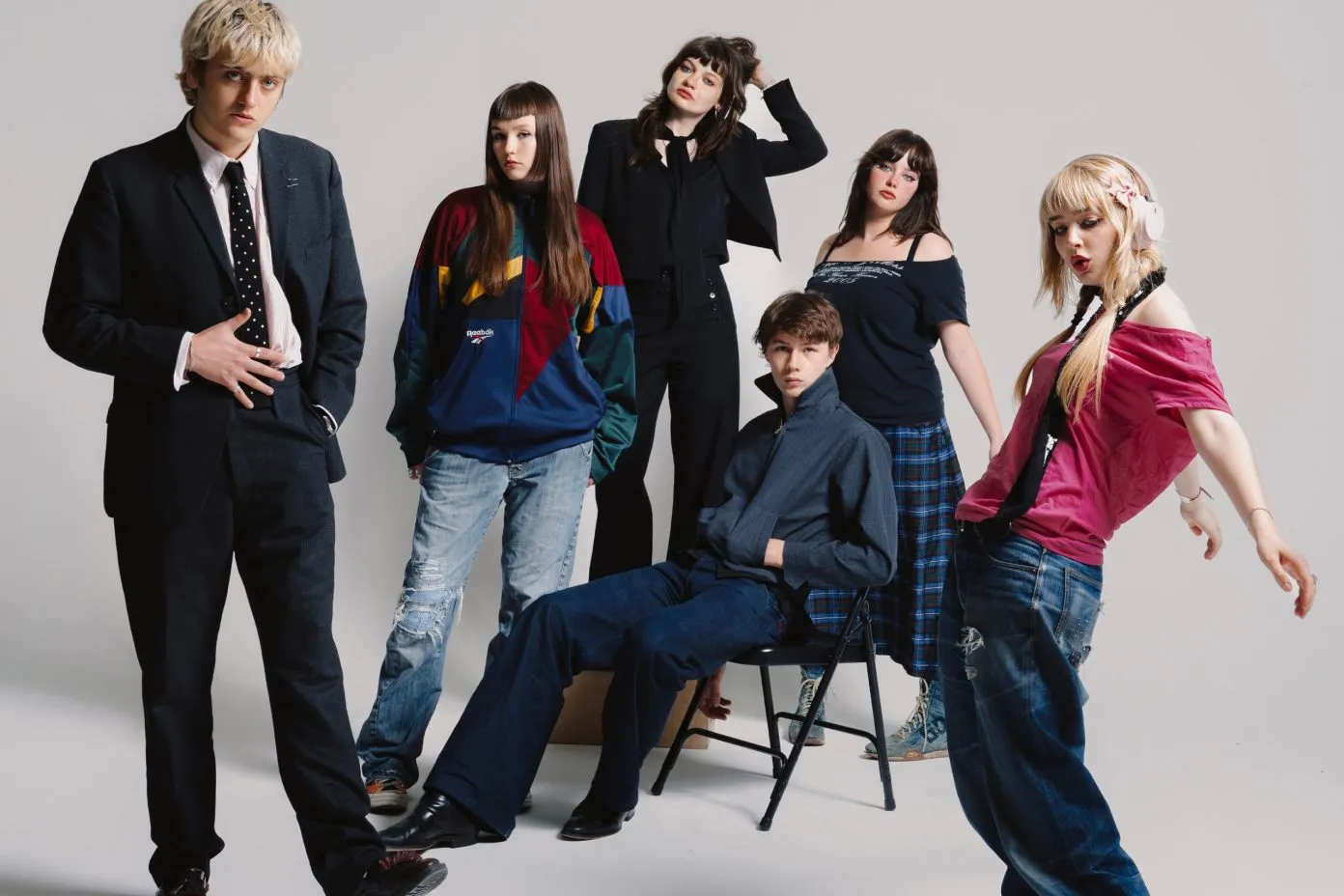
Man/Woman/Chainsaw emerged from the vibrant south‑London underground scene in 2019, when front‑man Billy Ward and vocalist‑bassist Vera Leppänen were just 14 years old. All members except violinist Clio Starwood had shared a school bench, and their early jam sessions were fueled by a teenage fascination with unconventional instrumentation and bizarre textures—traits that drew obvious inspiration from the avant‑garde likes of Black Midi. Those formative gigs were marked by free‑form chaos, with setlists peppered with placeholders such as “drone section” and “super slow outro”, the band literally improvising the final arrangements onstage.
From Experimental Roots to Signed Act
The group’s reputation for wild, unpredictable live shows caught the attention of Fiction Records, the historic label behind The Cure. Signing with Fiction gave the six‑piece a formal platform to hone their sound without sacrificing the eccentric edge that defined their early work. Over the past two years, Man/Woman/Chainsaw have gradually shifted from unstructured experimentation toward more disciplined songwriting, while still preserving the quirky spirit that made their name a cult favorite among indie‑rock circles.
The “Cannonball” Project: Balancing Art and Pop
The forthcoming debut album, titled “Cannonball”, is set for release on August 7. It showcases a deliberate fusion of art‑rock ambition and pop accessibility. Tracks range from lush, string‑driven ballads such as “Only Girl”, which tug at heartstrings with emotive orchestration, to the punchy, radio‑ready anthem “Still Angry”, a song whose catchy hook and driving rhythm could easily dominate mainstream playlists.
Despite the move toward more conventional pop frameworks, the band insists commercial success isn’t their primary driver. In recent interviews, Leppänen laughed, “We never sat in a practice room saying, ‘Let’s write a four‑chord pop hit.’ Instead, we aim to sprinkle surprising elements into familiar structures—making pop that feels fresh without falling into ‘weird for weird’s sake.’”
Critical Response and Future Trajectory
The shift has not been without friction. Some longtime fans, who cherished the act’s early “runaway art‑rock chaos,” have voiced disappointment, accusing the group of “going conventional.” Leppänen responded with blunt humor: “I love Adele’s 21, don’t come at me!” The band remains unfazed, emphasizing that their evolution is a natural maturation rather than a forced compromise.
Creatively, Man/Woman/Chainsaw describe their process as collaborative and ego‑free, prioritizing mutual listening over individual assertion. Their eclectic influences—ranging from pop‑culture icons like Addison Rae to hip‑hop legends such as 50 Cent—inform a playful, genre‑blending approach that fuels their distinctive sound.
“Cannonball” marks a mature statement from a young ensemble that has learned to channel its experimental roots into melodies that resonate with broader audiences. With its blend of inventive arrangements and accessible hooks, the album positions Man/Woman/Chainsaw as a promising contender for a mainstream breakthrough in 2026.