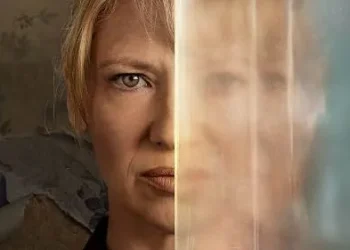


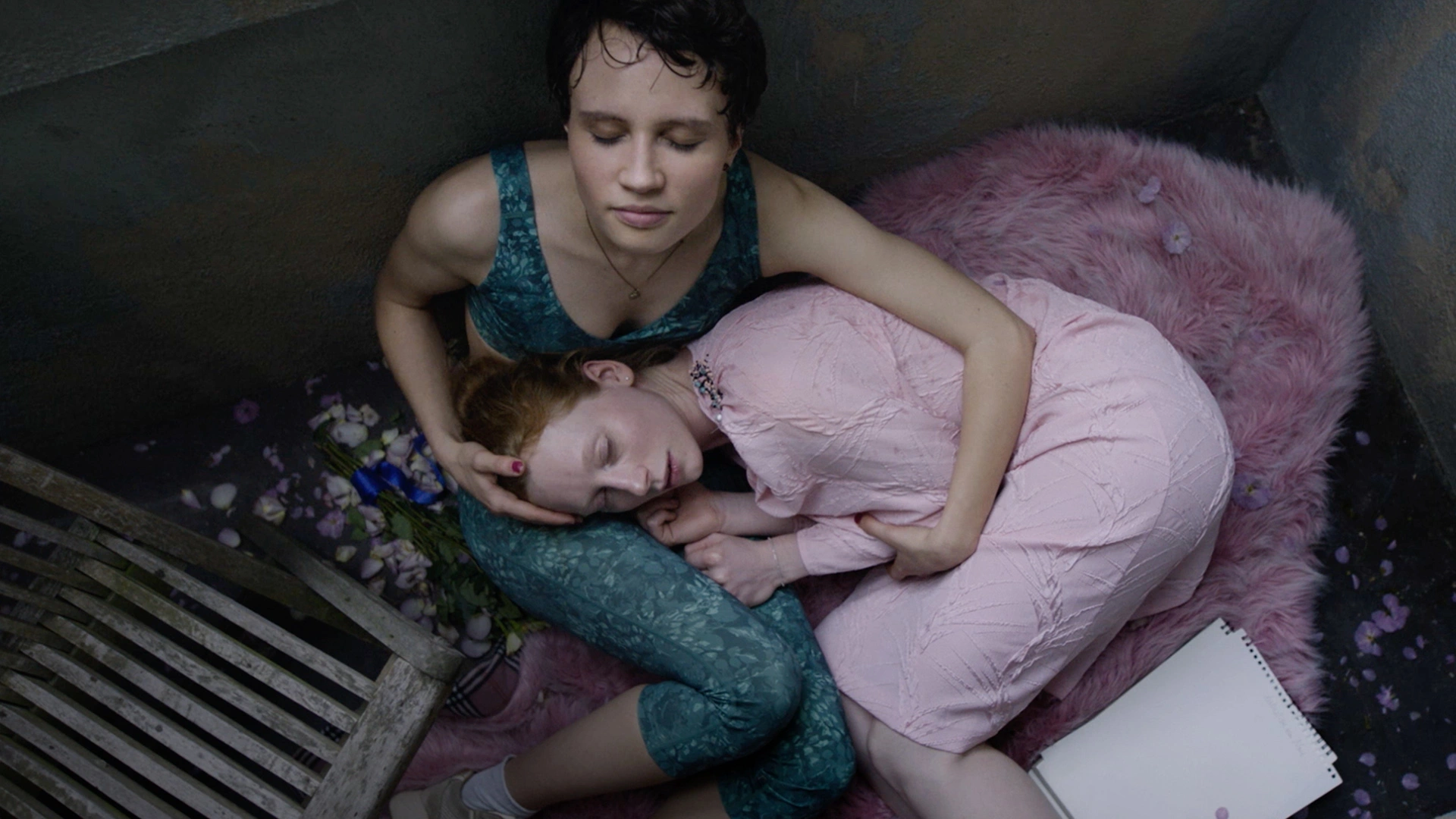
Easy Girl arrives on digital platforms through Omnibus Entertainment and Film Movement as a compelling German erotic drama that premiered on June 12, 2026. Directed and written by Hille Norden in her feature debut, this film weaves together themes of intimacy, trauma, and self-discovery through the story of an enigmatic transient who disrupts the life of a reserved medical student.
What begins as a story about freedom and wild nightlife gradually transforms into a painful excavation of past wounds. The film challenges viewers to examine how past experiences shape present relationships and self-perception. For audiences seeking an emotionally intense foreign feature that doesn’t shy away from difficult conversations about consent and abuse, this German production offers a thought-provoking journey through desire and damage.
The runtime may feel slightly heavy at two hours, but the compelling performances and layered storytelling keep viewers engaged throughout this delicate exploration of trauma and healing.
Synopsis
The narrative centers on Nore, a charismatic woman who appears to have mistaken velocity for freedom. Moving into an apartment shared by Jonna, a reserved medical student, Nore brings with her a lifestyle filled with bold fashion, casual encounters, and reckless humor. She presents herself as someone who has mastered her own mythology—wearing confident dresses, collecting strangers, and treating intimacy as a game she always knows how to win.
Their carefree lifestyle rapidly destabilizes when painful echoes of Nore’s past trauma resurface, disrupting their shared reality. As the two women spend more time together, it becomes increasingly clear that Nore’s appetite for sex is tied to something far less playful. What initially reads as confidence begins to resemble repetition, then compulsion, then an old wound replaying itself through new bodies.
The film builds its emotional core around consent, validation, abuse, and self-perception, using Nore and Jonna’s growing friendship as both refuge and pressure point. Through flashbacks, we witness young Nore confronting her past, giving the film its most emotionally resonant moments where memory becomes dialogue rather than diagnosis.
Performances
Dana Herfurth delivers the film’s engine as Nore, providing the right kind of unstable voltage. She is funny, theatrical, evasive, affectionate, cutting, and exhausting—sometimes within the same exchange. Herfurth masterfully avoids turning Nore into a walking breakdown, instead portraying her through subtle leakage: a joke held too long, a smile that arrives too fast, a sexual encounter that looks less like pleasure than maintenance.
Her performance captures a woman who knows how to command a room, but whose control feels increasingly procedural, as if following steps from a manual she no longer believes in. This nuanced portrayal prevents the character from becoming a simple case study, instead presenting her sexuality as existing in a knot of agency, loneliness, hunger, validation, self-protection, and harm.
Luna Jordan provides the story’s clearest emotional route as Jonna, playing her with an alert, unsettled curiosity. She is drawn to Nore because Nore appears to possess everything Jonna lacks: daring, ease, and shamelessness. Their bond carries warmth, ambiguity, and protection, with Jordan grounding the film in relatable emotional territory.
The supporting cast, including Michel (Jonna’s boyfriend), occasionally over-explains Nore’s pain with suspicious convenience—sometimes letting male characters articulate what the film should allow viewers to discover themselves.
Behind the Lens
Director Hille Norden structures Easy Girl as a slow reversal of first impressions. The first act presents Nore as a figure of liberation, almost a mythic party creature. The middle stretch begins to test that image, and by the later passages, the film shifts into surreal memory work, with Nore and Jonna moving through scenes from Nore’s youth as observers and witnesses.
Cinematographer Bine Jankowski gives the present a seductive closeness while treating flashbacks with dreamlike unease. Medium closeups and long takes keep attention on faces—a crucial choice in a film where so many characters perform versions of themselves.
The sex scenes are handled with refreshing directness that avoids cheap provocation. Some are awkward, some tender, some empty, and some quietly alarming. This range demonstrates how the same act can become freedom, habit, escape, or self-erasure depending on the emotional contract beneath it.
The flashback device remains emotionally useful, though certain conversations in the later stretch begin to sound too organized, as if everyone has arrived ready for a seminar on trauma ethics.
Final Verdict
Easy Girl earns attention because it treats damage as something lived through behavior, rhythm, humor, and denial. Its messiness can frustrate, but in this story, a perfectly clean shape might have been the bigger lie.
The strengths are clear: Herfurth’s raw, controlled performance, Jordan’s grounded counterweight, the charged friendship between the leads, and a visual design that makes pleasure look unstable before the script says so aloud. The weaknesses are also visible—the two-hour runtime grows heavy, some dialogue stiffens, and the ending reaches for emotional tidiness that the film’s own complexity resists.
Norden’s most valuable choice is letting difficult ideas sit together without forcing one to cancel the others. Easy Girl is a messy, humane, sharply performed drama about desire, damage, and the stories people tell themselves to survive.
Easy Girl is available for rent and VOD on various region specific digital platforms.