

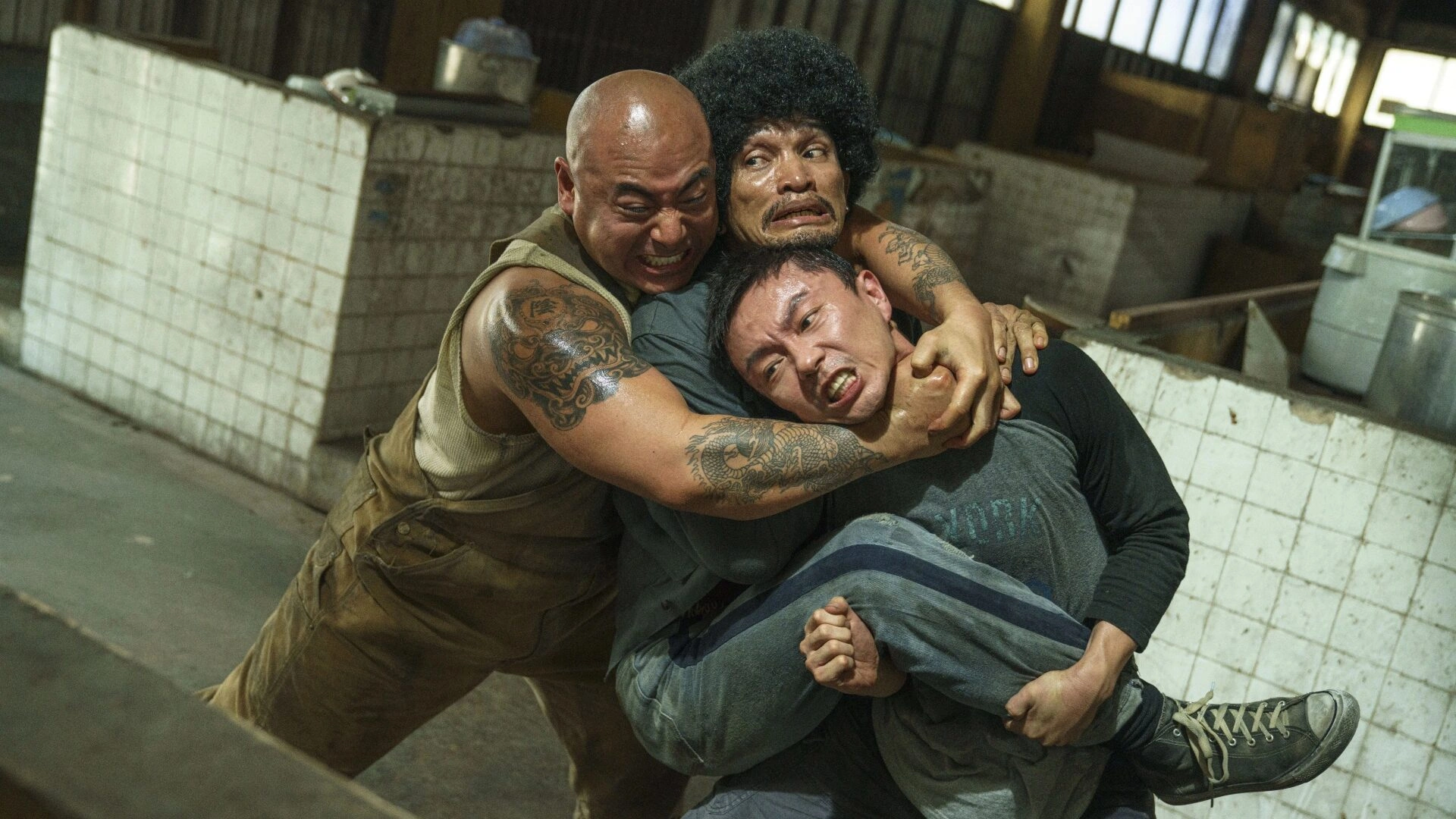
A New Action Classic Arrives
When The Furious opened in theaters last Friday, it immediately captured the attention of critics and audiences alike. The Lionsgate release earned a near‑perfect score on Rotten Tomatoes, making it the highest‑rated action movie of the year. Early comparisons have surfaced to acclaimed martial‑arts classics such as The Raid and The Night Comes For Us, yet the film often feels like it is creating its own dynamic language of combat.
The Visionary Director Behind the Mayhem
Japanese action choreographer Kenji Tanigaki has spent three decades designing fight scenes for other filmmakers. With The Furious, he finally stepped into the director’s chair to realize the project he had always dreamed about. The result is a film that showcases Tanigaki’s deep understanding of kinetic storytelling, blending diverse martial‑arts traditions into a seamless spectacle.
How the Fight Scenes Were Built Scene by Scene
Tanigaki’s approach centers on pitting performers with distinct fighting styles against each other. This clash of techniques generates an electric tension that audiences feel in every punch and kick. By deliberately mixing Chinese kung‑fu, Japanese karate, Korean taekwondo, Brazilian judo, Thai Muay Thai, and Indonesian silat, the film crafts a visual tapestry that pays homage to Hong Kong cinema while pushing the genre forward.
A Month‑Long Rehearsal: Cinematographer’s Role
To ensure the camera team could keep pace with the intricate choreography, Tanigaki brought the cinematographer into rehearsals a full month before principal photography began. This unusual step allowed the DOP to study the movements alongside the actors, rather than being handed complex sequences at the last minute. The result is a camera style that anticipates each blow, delivering crisp, dynamic shots that amplify the impact of the fights.
The Epic Police Station Brawl: 18 Nights of Shooting
The climactic showdown at a Bangkok police station became the production’s most demanding sequence. Tanigaki spent 18 consecutive nights filming the five‑person melee, battling humid, sweltering conditions while coordinating an exhausted cast and crew. The director described the choreography as “very complicated,” noting that the performers had to balance genuine combat with collaborative safety. In a last‑minute creative twist, Tanigaki revived the villain played by Brian Le, expanding a two‑on‑two clash into a chaotic five‑person free‑for‑all involving three opposing factions.
Martial Arts Fusion and Homages
The Furious draws on a wide spectrum of disciplines, weaving together kung‑fu, wushu, karate, taekwondo, judo, Muay Thai, and silat. The film also offers explicit nods to Hong Kong classics. An ice‑factory brawl, for example, simultaneously references The Big Boss and Dragon: The Bruce Lee Story, underscoring Tanigaki’s reverence for the genre’s roots while aiming to chart new territory.
Production Team and Release Details
The project was produced by veteran Bill Kong, whose acclaimed credits include Crouching Tiger, Hidden Dragon and Hero. After premiering in the Midnight Madness section of the Toronto International Film Festival (TIFF) in September 2025, The Furious launched internationally to sold‑out crowds. The ensemble cast features Xie Miao, Joe Taslim, Yang Enyou, Jeeja Yanin, Brian Le, Joey Iwanaga, and Yayan Ruhian. Xie Miao portrays Wang Wei, a mute father who discovers extraordinary kung‑fu abilities when his daughter is kidnapped by a trafficking ring. He is joined by Navin, a journalist played by Taslim, whose own spouse has disappeared.
What’s Next for The Furious?
Tanigaki has hinted that a sequel will depend on the first film’s commercial performance, leaving fans eager for potential continuation. For now, The Furious stands as a testament to what happens when a seasoned choreographer gets the reins to tell his own action‑driven story.
The Furious releases in theatres in India on June 19 through PVRINOX Pictures.