

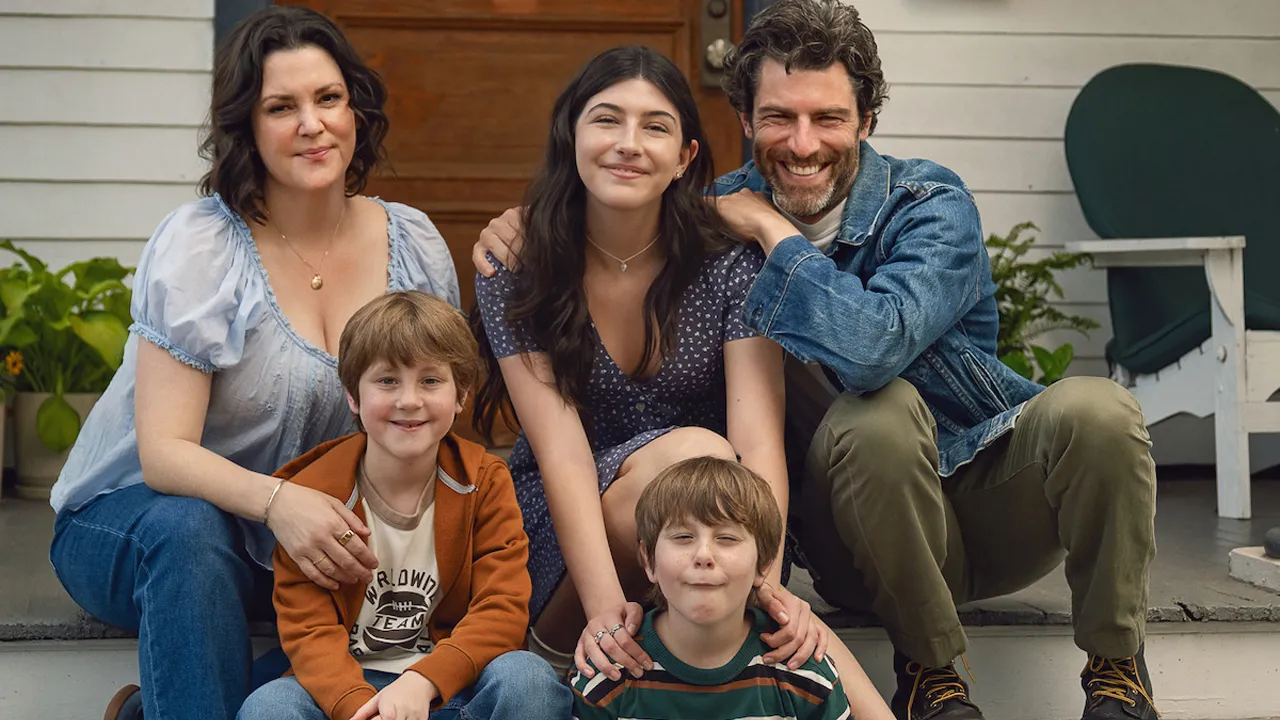
Netflix’s worldwide release of Don’t Say Good Luck on 14 August 2026 arrives as a heartfelt teen drama that intertwines the excitement of high‑school theater with the quiet devastation of a family health crisis. The film follows Sophie Birenbaum, a sophomore who lands the coveted lead in her school’s production of “Waitress” just as her mother’s cancer resurfaces. What follows is a nuanced portrait of a young woman trying to keep her creative spark alive while the shadow of impending loss grows ever larger. The story succeeds not by leaning on melodramatic set‑pieces, but by allowing everyday moments—rehearsals, friendships, and ordinary chores—to build emotional weight.
Synopsis
Sophie, an enthusiastic drama club member, receives the role of Jenna in the school’s upcoming “Waitress” musical. Minutes after the news, she learns her mother Elizabeth’s cancer has returned. The film tracks Sophie’s navigation of auditions, teenage crushes, and school drama while her mother’s health slowly declines. As rehearsals intensify, Sophie must reconcile her yearning for the stage with the increasing demands of her family life, all under the watchful expectations of her grandmother and the discipline of the production. The narrative weaves together themes of grief, ambition, and the search for identity without giving away the final outcome.
Performances
Sophie Birenbaum – The lead performance captures the raw tension between youthful confidence and underlying fear. Her audition of “She Used to Be Mine” transforms from a polished number into an unfiltered confession, showcasing a range that feels both vulnerable and fiercely determined.
Elizabeth Birenbaum – The mother’s gradual weakening is portrayed with subtlety, allowing viewers to feel the strain of illness without overt dramatization. Her quiet moments with Sophie convey a deep, unspoken bond that anchors the film’s emotional core.
Supporting Cast – The ensemble, including Sophie’s best friend and love interest, adds authentic layers to the high‑school environment. While a few side characters, such as the abruptly absent Carolyn and the repeatedly misdialed Ted, feel like contrived plot devices, they do not detract significantly from the central mother‑daughter dynamic.
Sunny Sandler – Her rendition of “She Used to Be Mine” serves as the film’s emotional fulcrum. The song evolves from a simple audition piece into a vessel that carries guilt, yearning, and the desire for an identity beyond illness, making it one of the most memorable moments in the movie.
Behind the Lens
Director Julia Hart approaches the material with restraint, deliberately avoiding a conventional climactic death scene. Instead, she lets the everyday—rehearsal run‑throughs, beach‑house planning, and routine chores—gradually raise the stakes. This choice results in a drama that feels lived‑in rather than plotted, allowing tension to accumulate through timing and character nuance.
Cinematographer Liam O’Connor employs warm, natural lighting to emphasize the contrast between the bright stage lights and the dimmer home environment, reinforcing the dual worlds Sophie inhabits. The production design subtly mirrors Sophie’s internal conflict; the cluttered kitchen and the organized rehearsal space act as visual metaphors for chaos versus control.
The screenplay, while generally coherent, occasionally stumbles with mechanical moments—most notably the overly convenient phone miscommunications involving Ted. These instances momentarily pull the audience out of the story but are quickly compensated by the strength of the central narrative.
Final Verdict
Don’t Say Good Luck succeeds because it places a genuine mother‑daughter relationship at its heart, allowing the surrounding teenage drama to complement rather than eclipse the core emotional journey. The film’s strength lies in its ability to portray grief and ambition as parallel forces that coexist, not as opposing extremes. Despite minor contrivances, the consistent performances, thoughtful direction, and the poignant use of music elevate the piece into a resonant coming‑of‑age experience. For viewers seeking a drama that respects both the turbulence of adolescence and the quiet weight of family illness, this Netflix offering delivers a thoughtful, emotionally satisfying ride.
Also Read:
“Don’t Say Good Luck” Netflix Trailer Reveals Sunny Sandler’s Heartfelt Musical Debut