

Time and Water arrives on the scene as a quiet yet urgent message in a bottle, intended for anyone who will inherit the planet’s thawing horizons. Directed by Sara Dosa—whose earlier work Fire of Love turned volcanic fury into an intimate human saga—the new documentary wraps scientific observation, family history, and visual poetry into a single, meditative experience. By anchoring the film in the writings of Icelandic poet Andri Snær Magnason, the project transforms the melting ice of the North Atlantic into a living archive of memory and loss.
A Message in a Bottle for Tomorrow
The opening lines set the tone: “I cannot send you a glacier, but at least I can send you this.” From the very start, the film positions itself as a time capsule, a cinematic letter to future generations. Dosa weaves together vintage family photographs, decades‑old research footage, and crisp modern shots of Iceland’s retreating ice sheets. The result is not merely a visual record but a tactile heirloom that preserves the stories embedded in the landscape.
Personal Stories, Universal Loss
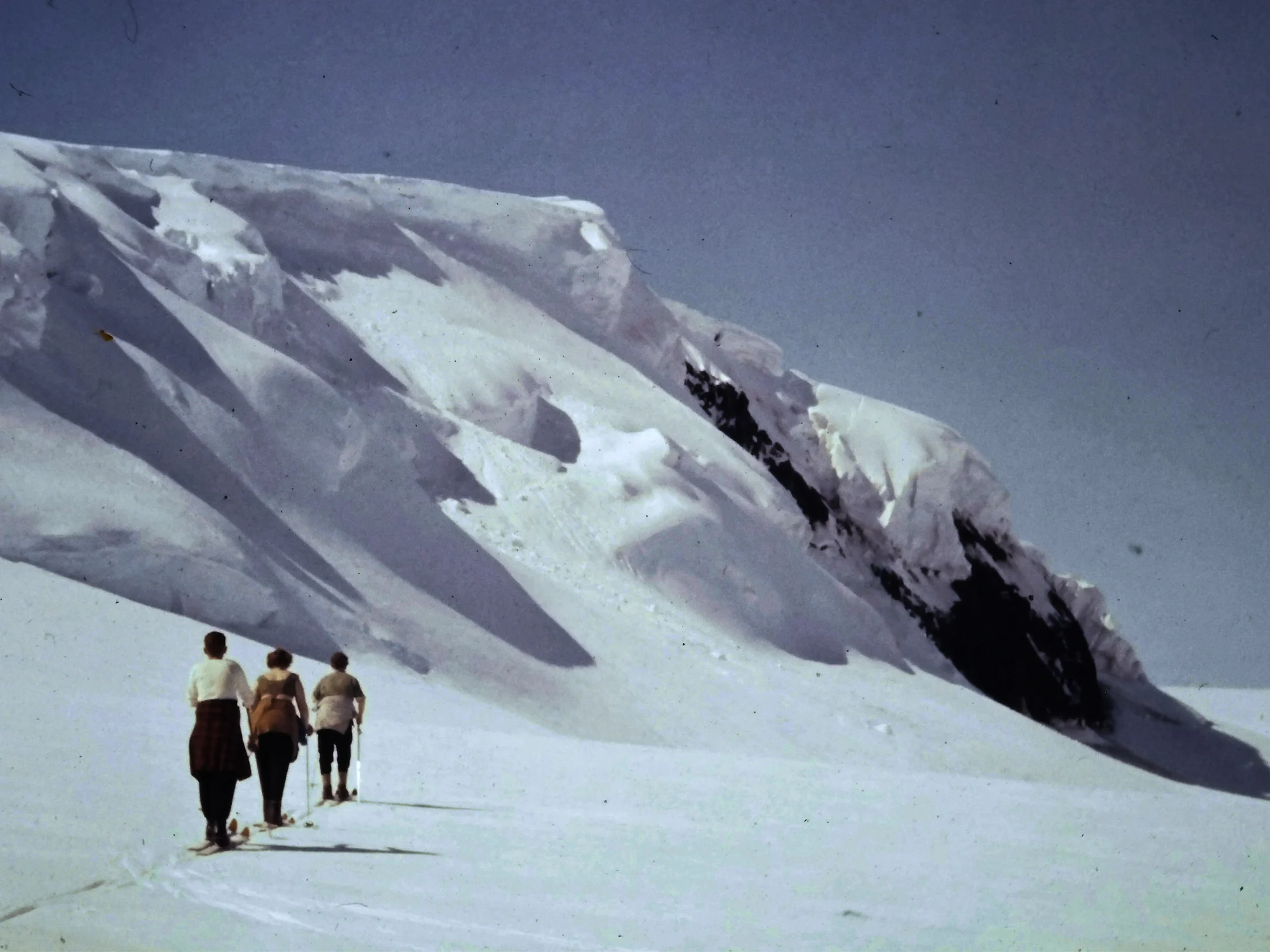
Central to the narrative are Magnason’s grandparents, pioneering glaciologists Hulda and Árni, whose lifelong research generated much of the archival material that appears throughout the film. Their meticulous documentation serves a dual purpose: it is both a scientific record of ice dynamics and a treasured family album. As the film intercuts digital and 16 mm footage of the shrinking terrain, each image of a retreating glacier mirrors the way personal recollections fade with time. The documentary repeatedly hints that climate change is as much a crisis of remembrance as it is an ecological emergency.
Rather than adopting a combative, activist tone, Dosa chooses a deeply personal approach. The storytelling stays close to the intimate moments captured by the family, allowing the audience to feel the weight of loss without being lectured. This restraint gives the film a meditative quality that rewards patient viewers.
Visual Poetry: Ice, Memory, and Sound
Structurally, Time and Water mimics the fluid nature of memory—moving by association rather than strict chronology. The pacing is deliberate, giving space to linger on vast, blue ice caves that resemble alien landscapes more than typical documentary footage. These visuals are accentuated by a shimmering, synth‑heavy score by Dan Deacon, whose ethereal compositions echo the creaks and groans of shifting ice. The soundtrack reinforces the film’s central idea: glaciers are living entities that only cease to exist when they no longer move under their own weight, becoming silent and stagnant.
The documentary also references the 2014 event when the first glacier was officially declared dead because of climate change. Magnason’s “Letter to the Future,” inscribed on a memorial plaque, reads: “We know what is happening and what needs to be done. Only you know if we did it.” This poignant note reframes the climate conversation as a matter of collective memory and responsibility, rather than simply a litany of scientific data.
From Grief to Responsibility
Even though the underlying theme is one of sorrow, the film never slides into despair. Instead, it offers a subtle call to action: remember what is being lost, and act before the silence of a dead glacier becomes permanent. By treating climate change as a crisis of remembrance, Dosa accomplishes what many environmental documentaries fail to achieve—a work that feels like a solemn promise rather than a mournful eulogy.
Time and Water stands as a testament to the power of personal narrative in the face of global challenges. It urges viewers to see the melting ice not just as a statistic, but as a living repository of stories, culture, and natural history that deserves our vigilant protection.