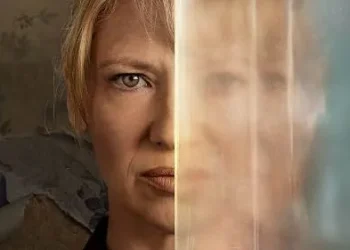


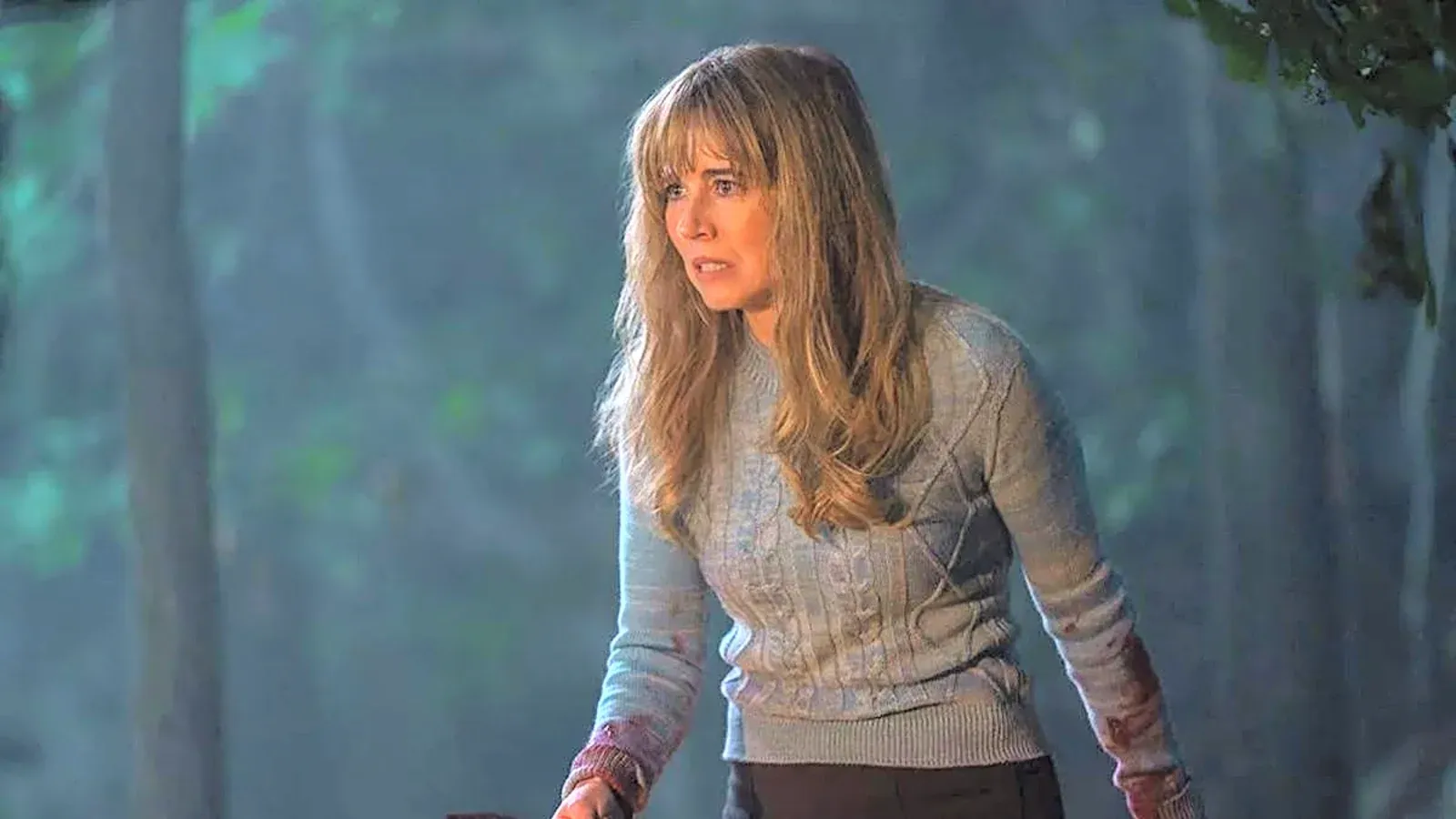
Peacock’s new original series Crystal Lake arrives on October 15 2026, backed by A24 and positioned as an expanded prequel to the legendary Friday the 13th franchise. Set in the early‑1970s, the eight‑episode drama re‑examines the origins of Pamela Voorhees and the tragic events that birthed one of horror’s most infamous figures. With Linda Cardellini in the lead role, the show blends period texture, psychological turmoil, and visceral slasher set‑pieces into a provocative meditation on grief, motherhood, and the thin line between protection and vengeance.
Synopsis
Crystal Lake follows Pamela Voorhees, a widowed mother struggling to raise her son Jason in a modest lakeside community. When she purchases a seemingly innocuous mail‑order camping kit that includes a machete, the gesture is meant to nurture Jason’s love of the outdoors. Instead, the tool becomes a dark omen that foreshadows the violence to come. As Jason befriends a fellow outcast, Grace, Pamela’s attempts to shield him from the cruelty of peers intensify. A fateful drowning incident shatters her world, propelling her into a spiral of mourning, denial, and increasingly extreme measures. The series intertwines her personal quest for solace with the looming threat of a mysterious corporation and the town’s efforts to move on, all while the lake itself bears witness to a rising tide of bloodshed.
Performances
Linda Cardellini delivers a career‑defining portrayal of Pamela Voorhees. She oscillates between tender maternal devotion and a simmering, almost primal rage, making Pamela’s descent feel both inevitable and heartbreaking. Cardellini’s nuanced physicality—especially in the lakeside mourning scenes—conveys grief as an active, almost ritualistic practice.
Callum Vinson captures Jason’s innocent curiosity and vulnerability, offering a stark contrast to the menace that later defines him. His chemistry with Gwendolyn Sundstrom’s Grace adds emotional weight to the early‑season camaraderie, highlighting how easily kindness can be twisted in a hostile environment.
William Catlett’s Sheriff Levon Brooks provides a grounded, almost paternal counterpoint to Pamela’s turmoil. His sincere attempts to draw her back into community life—through bowling invitations and town picnics—create a tense push‑pull that complicates both his investigative duties and Pamela’s reluctance to accept help.
The supporting cast, including Sundstrom and Catlett, enriches the narrative with layers of distrust, affection, and societal pressure, ensuring that the horror never feels gratuitous but always rooted in character motivation.
Behind the Lens
Created by Brad Caleb Kane, Crystal Lake leans heavily into its 1970s aesthetic. Production design favors washed‑out palettes, grainy exteriors, and period‑accurate props that evoke a nostalgic yet unsettling atmosphere. The cinematography employs stalking viewpoints, freeze‑frame cuts, and screeching orchestral cues to homage classic slasher visual language while juxtaposing them with an incongruously upbeat soundtrack that heightens the dissonance between fear and fleeting moments of levity.
The series’ practical effects team handles the grotesque kill sequences with admirable commitment—faces are sliced, bodies dismembered, and the violence feels both excessive and meticulously choreographed. These set pieces are interspersed with quieter, character‑driven intervals, allowing the show to breathe between bursts of carnage.
Notably, the episode‑long self‑improvement retreat subplot injects a darkly comedic critique of 1970s empowerment rhetoric, using Pam’s discontent as a foil to the era’s burgeoning self‑help culture. This tonal swing showcases the writers’ ambition to blend horror with satire, though it occasionally risks overstaying its welcome.
Final Verdict
Crystal Lake succeeds as a character‑driven horror prelude that reframes the mythos of Friday the 13th through a deeply personal lens. Linda Cardellini’s commanding performance anchors the series, transforming Pamela Voorhees from a folklore figure into a relatable, tragic mother whose love curdles into vengeance. The show’s period authenticity, strong supporting performances, and inventive blend of slasher thrills with psychological depth make it a compelling watch for both franchise aficionados and newcomers.
However, the pacing falters in the middle stretch, where extended investigative sequences and a protracted self‑help retreat dilute momentum. The later concentration of backstory, while informative, occasionally feels like an exposition dump that undermines the tension built in earlier episodes.
Overall, Crystal Lake earns a solid recommendation for viewers who appreciate horror that lingers not just in its gore, but in the emotional wreckage it leaves behind.
Also Read:
“Crystal Lake” Gets an Exclusive New York Comic Con Preview Ahead of Its Peacock Launch