

Nathan Fielder has built a reputation for turning the absurd into insightful comedy, from the dead‑pan stunts of Nathan for You to the meta‑rehearsals of The Rehearsal. His feature‑length debut, You Can See Everything, pushes that formula further by pairing his trademark wit with a serious journalistic inquiry into one of the most notorious corporate sagas of the decade: Elizabeth Holmes and Theranos. The result is a film that is simultaneously laugh‑out‑loud funny, uncomfortably intimate, and surprisingly substantive.
Premise and Approach
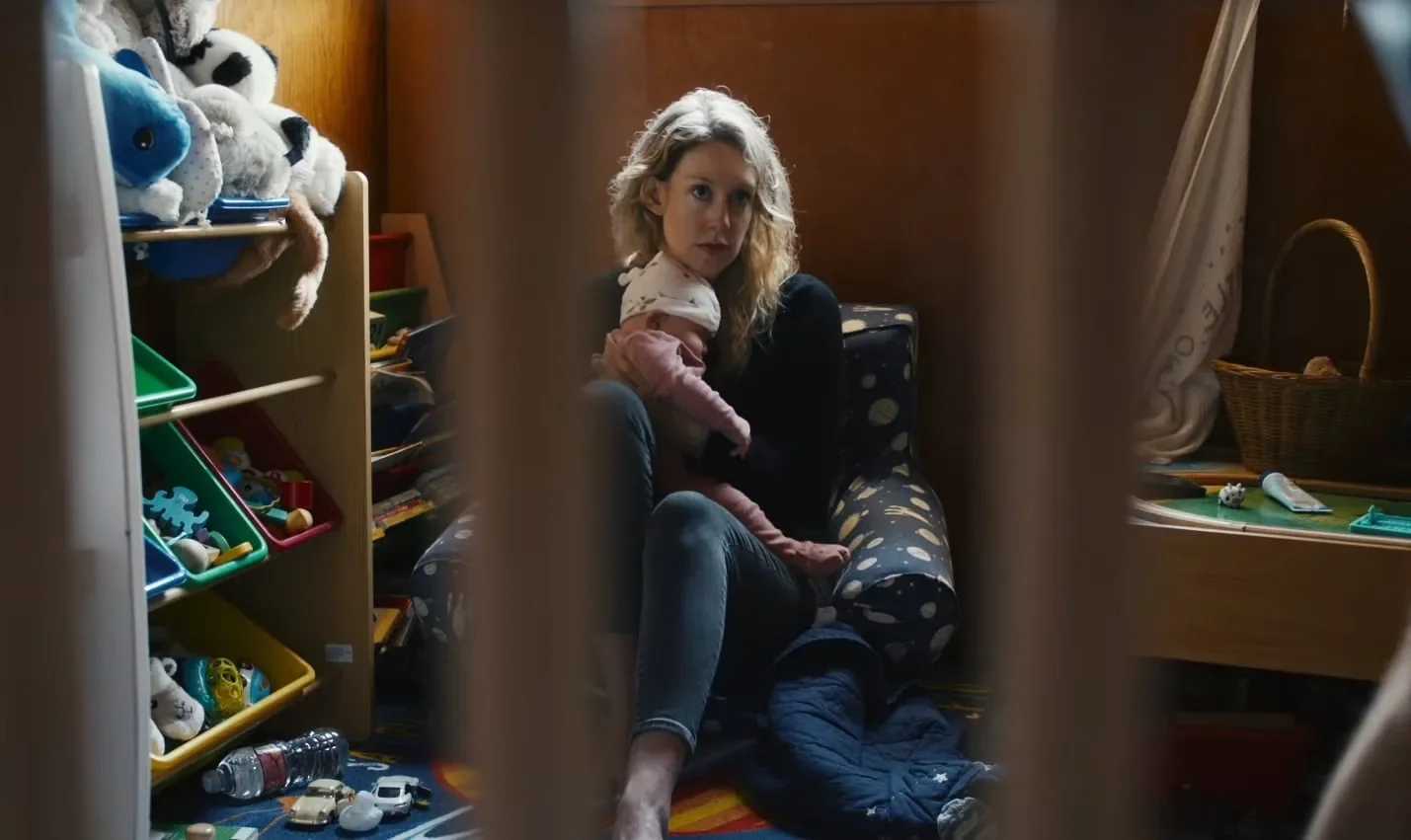
Set just weeks before Holmes is due to report to prison, the documentary finds Fielder sitting down with the disgraced Theranos founder. Holmes hopes to “set the record straight,” while Fielder arrives with his characteristic curiosity and a willingness to let awkward silences do the heavy lifting. Rather than a straightforward interrogation, the encounter unfolds like a chess match where each participant tries to out‑maneuver the other with tone, timing, and a dead‑pan delivery that blurs the line between performance and sincerity.
Interview Dynamics
Both Fielder and Holmes share a remarkably similar vocal cadence—flat, measured, and almost robotic. For Fielder, this deadpan style is a comic device; for Holmes, it reads as a veneer of detachment, possibly willful ignorance. The film leans into this mirroring, turning the conversation into an awkward dance where the viewer is constantly questioning who is in control. Reaction shots linger a beat longer than expected, prompting laughs that feel earned rather than forced. This tension creates a comedic undercurrent that never overwhelms the underlying inquiry: Is Holmes being truthful, or is she crafting another carefully calibrated narrative?
Themes of Truth and Power
While the Theranos scandal has been dissected in countless articles, the dramatized series The Dropout, and myriad podcasts, You Can See Everything sidesteps the “did she do it?” question in favor of a more elusive probe: “Is she telling the truth?” Fielder treats the interview as a case study in media manipulation, juxtaposing Holmes’s rehearsed statements with his own investigative instincts. The presence of fame, notoriety, and money amplifies the stakes, making the exchange feel less like a celebrity interview and more like a microcosm of how power shapes narrative.
Cinematic Craft
Co‑directed by Lance Oppenheim (Primetime, HBO’s Ren Faire), the film benefits from a visual language that amplifies its thematic unease. Cinematographer David Bolen employs a claustrophobic, tightly framed aesthetic that pushes the audience into the intimate space between interviewer and subject. Ari Balouzian’s score hums with low‑frequency tension, underscoring moments where humor threatens to give way to discomfort. The technical choices reinforce the film’s central idea: that truth is often hidden in the spaces between words, glances, and pauses.
Twist and Impact
Midway through, the documentary takes a turn. The shift reframes everything that came before, prompting viewers to reassess not only Holmes’s credibility but also the nature of the documentary form itself. This narrative pivot elevates You Can See Everything from a clever interview to a meditation on how stories are constructed, edited, and consumed.
Verdict
At nearly three hours, the runtime could deter casual viewers, yet the film’s pacing feels lean; every segment contributes to the comic, emotional, or thematic whole. Fielder proves he can balance humor with rigorous journalism, delivering a work that is both entertaining and intellectually satisfying. You Can See Everything stands as a significant step forward for the documentary medium—a funny, probing, and ultimately thought‑provoking examination of truth, media, and the personas we construct to navigate them.
Also Read:
Elizabeth Holmes Documentary “You Can See Everything” Shatters Presale Records at Alamo Drafthouse