

Walking away from Billie Eilish: Hit Me Hard and Soft – The Tour Live in 3D, one cannot help but question whether James Cameron has succeeded where many filmmakers have stumbled—creating a concert film that functions as both a visual masterpiece and an emotional journey that transports audiences beyond their everyday reality. The challenge has always existed in two distinct camps: cinema purists who demand visual excellence, and viewers who seek films capable of eliciting genuine emotional responses that break through the monotony of daily life.
When a production manages to satisfy both impulses simultaneously, cinema achieves something remarkable—it makes viewers feel genuinely alive, sparking wonder and delivering cathartic experiences that linger long after the credits roll. Cameron appears to have accomplished this delicate balance with this concert film, fundamentally transforming what audiences can expect from the genre.
The result stands as a compelling piece of entertainment that engages viewers regardless of their existing relationship with Eilish’s music. Whether you count yourself as a devoted supporter, a casual listener, or someone who simply does not connect with her artistic vision, the film delivers an immersive experience that feels remarkably alive and engaging throughout its runtime.
Technical Innovation: Beyond the Avatar Franchise
The concert film employs cutting-edge three-dimensional technology that representatives from the studio claim surpasses even the capabilities demonstrated throughout the Avatar franchise. Following an initial viewing, audiences will readily understand this bold assertion. Cameron and his team at Lightstorm Entertainment developed proprietary technological solutions specifically for this production, optimized for mobility and designed to transport viewers directly into the performance space.
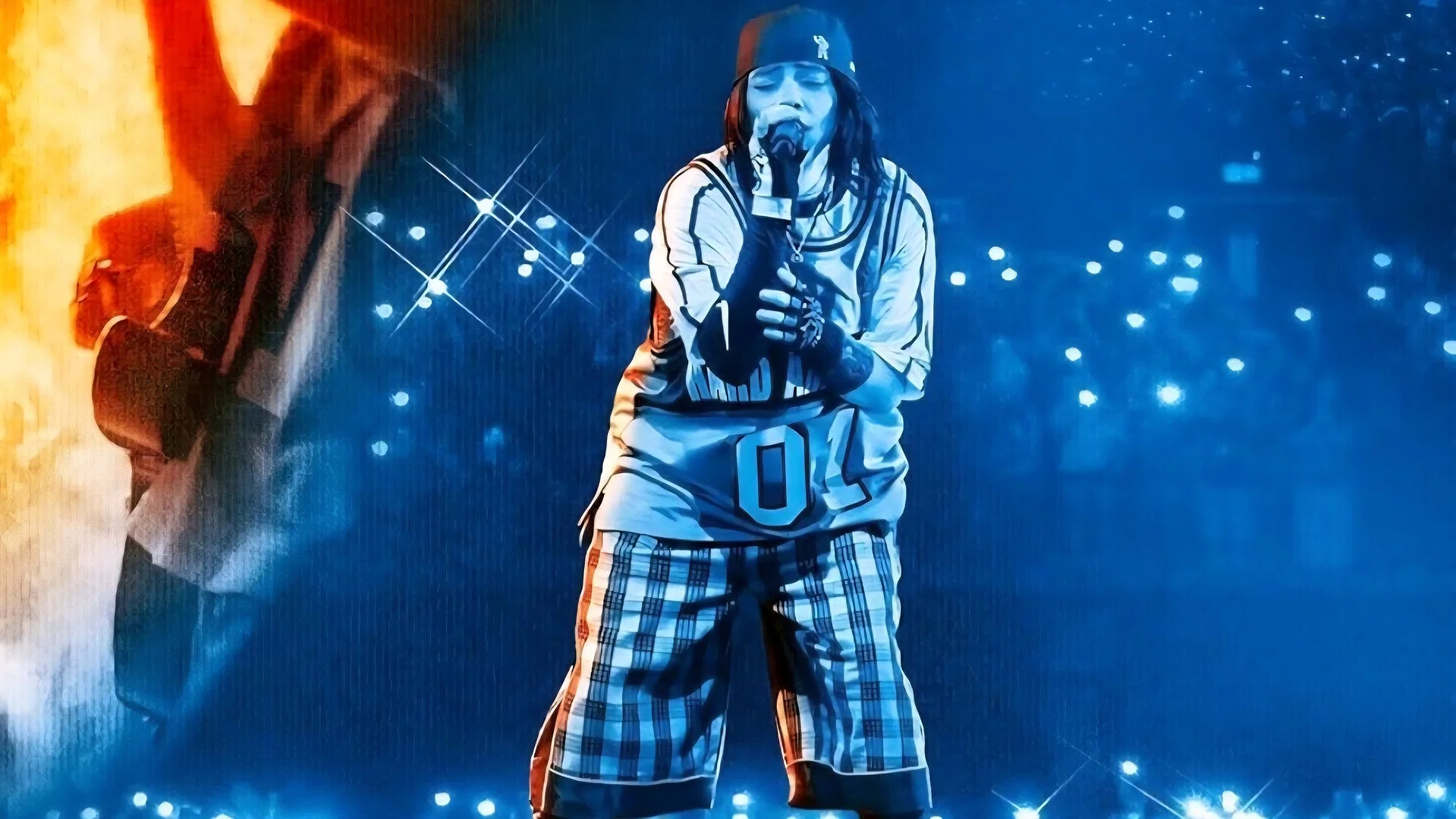
The system developed by the celebrated director captures Eilish’s stage energy with remarkable precision, translating her authentic artistic personality—described as chaotic, electric, and occasionally haunting—into a medium that feels immediate and intimate. Extended takes create a magnetic quality that becomes almost hypnotic, establishing an unusually close connection between performer and audience that few concert films achieve.
For the first time in the genre, Cameron has successfully translated the big-budget blockbuster approach to concert filmmaking, offering viewers a front-row perspective that dramatically narrows the traditional gap separating audience members from the subject. The stated ambition involves making viewers and artist feel united as one—a lofty goal that previous filmmakers including Martin Scorsese and Jonathan Demme approached but never fully realized.
Here, the collaboration between Cameron and Eilish succeeds in bridging that divide more effectively than any previous attempt. The production delivers a complete sensory experience, allowing viewers to perceive every physical element of the performance—the subtle movements, the driving rhythms, and the visceral impact of the show.
The Authentic Performer: Navigating Fan Service and Cinematic Craft
Throughout the film, there exists a genuine concern that the technological showcase might overshadow the primary subject—Eilish herself. However, the filmmakers ultimately capture an artist who feels authentically present, bringing her distinctive personality to the screen with remarkable clarity.
The production’s fan-centric approach deserves recognition, even as it occasionally teeters toward the promotional concert documentary territory that plagues many similar projects. Nonetheless, both collaborators ensure that Eilish remains an integral creative partner throughout the process. The behind-the-scenes moments may feel carefully orchestrated because, by their very nature, they represent constructed cinema rather than vérité documentation where performers remain unaware of cameras.
Some elements require scrutiny, particularly the testimonial sections and emotionally charged visual representations of fan experiences. The production occasionally lapses into self-congratulatory territory that reads more like commercial content than genuine celebration, pulling viewers out of the immersive state that the technical achievements otherwise create. Additionally, the film offers little new insight into Eilish as a public figure or private individual—audiences familiar with existing coverage will encounter little information they have not previously encountered.
Final Verdict: A Landmark Achievement With Minor Stumbles
Despite these relatively minor drawbacks, Billie Eilish: Hit Me Hard and Soft – The Tour Live in 3D remains essential viewing for multiple audiences. Devoted fans of Eilish’s music will find the experience compelling, while enthusiasts of the concert film genre will appreciate the technical innovations Cameron brings to the medium. Additionally, followers of the director’s work will recognize his distinctive technological fingerprint stamped across the entire production.
Cameron has undeniably pushed concert filmmaking into new territory with this transportive three-dimensional experience that genuinely attempts to dissolve the boundary between performer and audience. Eilish’s inherent magnetism and commanding stage presence elevate what could have become merely another self-indulgent fan celebration into something genuinely captivating, hypnotic, and thoroughly immersive.
The film represents a significant step forward for the genre, revitalizing concert cinema through technical achievement while occasionally stumbling under the weight of its own ambitions. These growing pains should not diminish the overall accomplishment.
Where to Watch
Billie Eilish: Hit Me Hard and Soft – The Tour Live in 3D is exclusively screening in theaters beginning May 8th.
Also Read:
Billie Eilish Celebrates Major 100 Week Chart Landmark
Billie Eilish Sets March 2026 Premiere for Epic 3D Concert Film Co‑Directed with James Cameron