


Introduction – Why This Film Matters
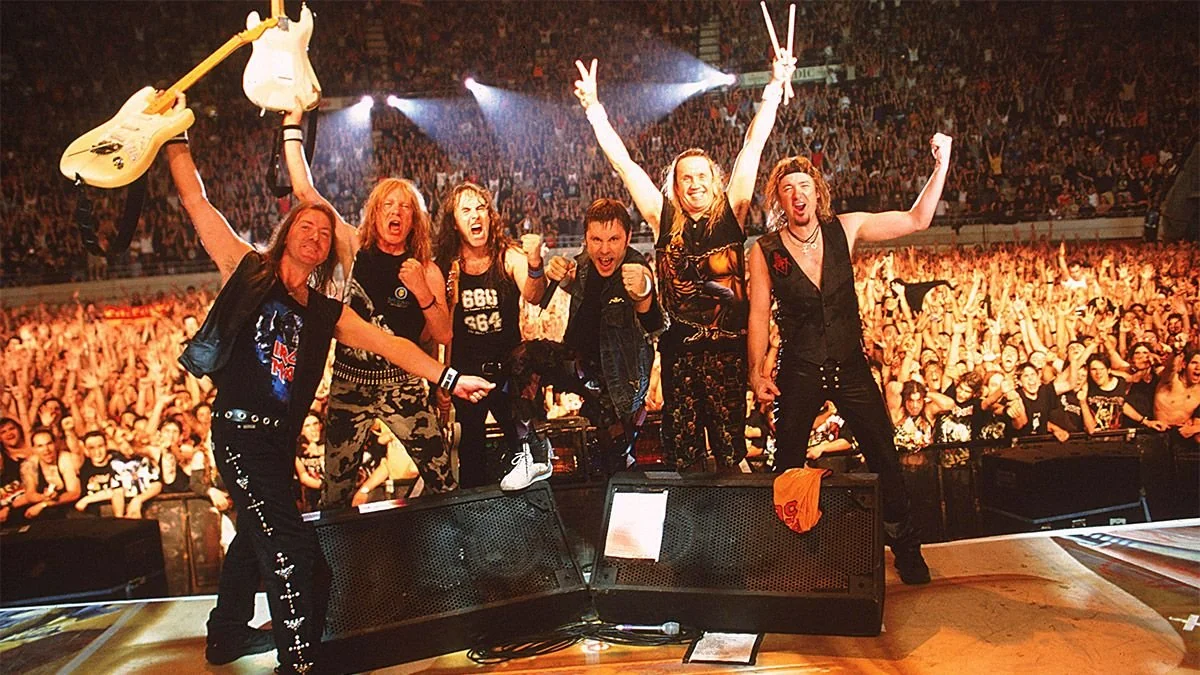
Malcolm Venville’s Iron Maiden: Burning Ambition arrives at a moment when the band’s influence stretches from classic‑rock radio to TikTok memes. The 106‑minute feature stitches together archival footage, animated interludes starring the iconic mascot Eddie, and commentary from musicians such as Chuck D, Lars Ulrich and film‑star Javier Bardem. For anyone curious about how a London‑area pub‑band transcended the punk backlash to dominate global stages, the documentary offers a compact timeline that feels both comprehensive and accessible.
From Punk‑Era Rebellion to Heavy‑Metal Vision
The story opens in 1975 with bassist Steve Harris assembling a group of friends who shared a love for the raw power of bands like Deep Purple and UFO. Harris sought an antidote to the exploding punk scene, favoring intricate dual‑lead guitars and soaring choruses. Early vocalist Paul Di’Anno’s tenure finishes after two studio releases when his hedonistic lifestyle clashes with Harris’s “burning ambition.” The film explains how the arrival of Bruce Dickinson in 1981 sparked a creative surge that would define the band’s golden era from 1982 to 1988, delivering five landmark albums and relentless world tours despite limited radio exposure.
The Dickinson Years – Speed, Success, and Exhaustion
Venville guides viewers through the Dickinson era with a focus on relentless touring schedules, the development of anthems like “The Trooper,” and the band’s willingness to push artistic boundaries. The documentary does not shy away from the pressures that led Dickinson to quit in 1993, a decision framed as a necessary pause after a decade of nonstop performance. Yet the narrative also highlights his return in 1999, re‑energizing the group for a post‑grunge landscape and proving that the Maiden engine could still churn at “terminal velocity.”
Recent Trials – Health Battles and Resilience
A poignant segment covers Dickinson’s fight with throat cancer in 2015, portraying his recovery as a testament to personal resolve and fan support. The film then shifts to drummer Nicko McBrain’s stroke in 2023, illustrating how the band rallied around a long‑time member while maintaining their touring commitments. These personal challenges are woven into the larger theme that music offers both escape and community for artists and audiences alike.
Visual Style – Eddie’s Animated Journey
True to the band’s aesthetic, the documentary lets mascot Eddie dominate the visual narrative. Animated sequences featuring Eddie appear between live‑concert clips and interview sound‑bites, providing a kinetic bridge that keeps viewers engaged without relying on on‑screen interviews. The band’s spoken reflections are delivered as voice‑over narration, allowing the focus to remain on the music and historical footage rather than conventional talking‑head shots.
Cultural Impact – From the “Winter of Discontent” to the Iron Curtain
One of the film’s most electrifying moments follows the 1984 world tour stop in Poland, then behind the Iron Curtain. Footage shows thousands of fans breaking through the oppressive atmosphere of armed guards to revel in the sound of heavy metal. This scene underscores the documentary’s central assertion: Maiden’s music has always served as a unifying force, especially in times of social upheaval.
Verdict – A Worthy Introduction for New Listeners
While Metallica: Some Kind Of Monster dives deeper into band dysfunction, Iron Maiden: Burning Ambition opts for a polished, respectful chronology that mirrors the professionalism the group has cultivated over five decades. The film may feel like a rapid tour for purists, but its concise storytelling makes it an ideal entry point for anyone wanting to understand why the band remains a cornerstone of heavy‑metal culture.