

When a woman invents a pregnancy that never existed, the resulting deception can feel like the plot of a cold‑case thriller. Maite Alberdi’s latest documentary, A Child of My Own, refuses to let the story settle into that familiar true‑crime mold. Instead, the Chilean filmmaker reshapes the 2009 Mexican stolen‑baby scandal into a delicate docu‑fiction hybrid that asks why the lie was needed in the first place, not merely whether it happened.
The Premise: A Fabricated Pregnancy
Eleonor Alejandra Marín Mendoza spent months convincing everyone—her husband, his family, friends, and coworkers—that she was expecting. Ultrasound appointments were discussed, a due date was marked on calendars, and a name was chosen. Yet no fetus grew inside her. The charade continued until the lie required a tangible result: a baby. She walked into the hospital where she worked and left with a newborn that belonged to another woman, setting off a national uproar.
Alberdi’s Docu‑Fiction Approach
Alberdi, twice Oscar‑nominated for The Mole Agent and The Eternal Memory, begins the film by turning the camera on herself. She auditions actresses to portray Alejandra, letting the real woman’s recorded voice run underneath the tryouts. This opening gesture makes clear that the movie is constructing a version of its subject rather than presenting an untouched record. Ana Celeste Montalvo Peña wins the role of Alejandra, while Armando Espitia plays Arturo, the husband who never suspected the ruse.
Visual Contrast: Dream vs. Reality
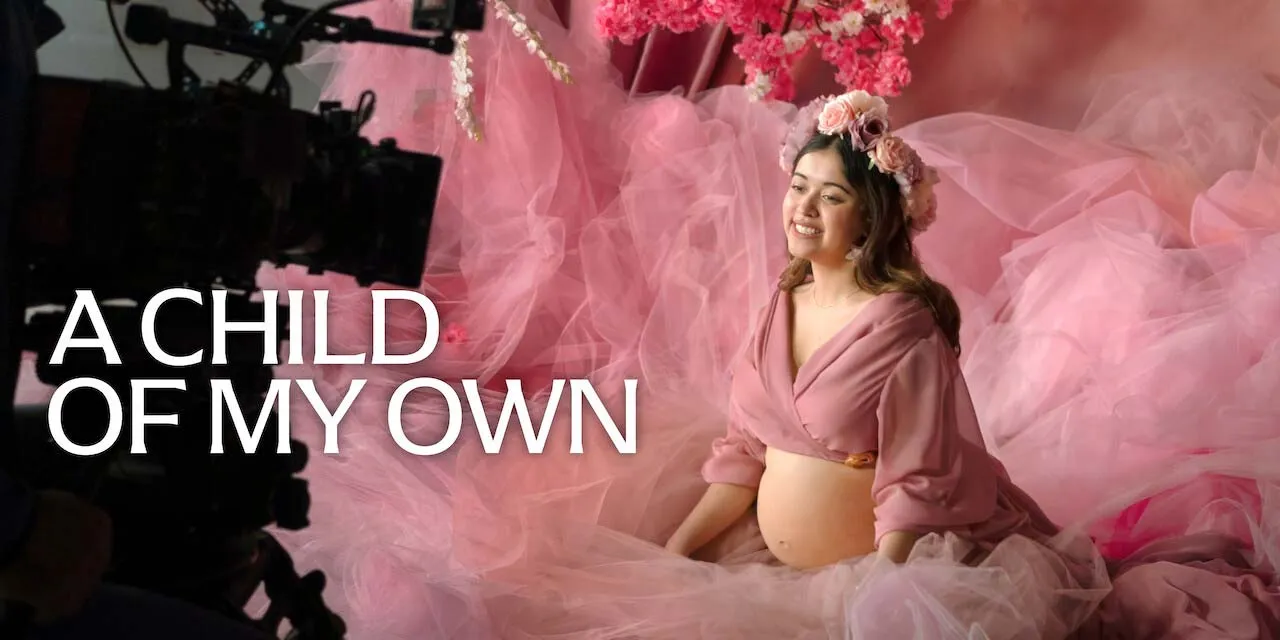
The narrative splits into two registers. The first is a bright, saturated reenactment that feels almost storybook‑like. Cinematographer Sergio Armstrong bathes the fabricated pregnancy in warm light, mirroring the hope Alejandra needed to sustain her illusion. The second register consists of crackling home video, hospital security footage, and grainy evidence that refuses to be beautified. By constantly cutting between these streams, Alberdi forces viewers to keep track of which images belong to Alejandra’s dream and which are the stark consequences she could not control. The prettiness is not mere decoration; it is the visual argument that the lie was a performance of longing.
The Human Interrogation: Interviews and Self‑Reflection
Midway through, the actors step aside and the real people appear: Alejandra herself, Arturo, lawyers, and psychologists who grappled with the case at the time. Their interviews are where the film does its quietest, most serious work. Contradictions surface in Alejandra’s narration—timelines shift, justifications evolve—but Alberdi lets them stand, preserving the sympathy she has cultivated over the previous hour. This technique recalls her earlier work, yet here she breaks the fourth wall more insistently, reminding us that every Alejandra on screen—including the tender version we have watched—is a construct chosen by someone, the film included.
Cultural Pressure and the Wanting of Motherhood
The scandal is undeniably Mexican, rooted in a 2009 headline that shocked the nation. Yet Alberdi widens the lens to show that the pressure behind Alejandra’s deception is not confined to one border. Miscarriages, societal expectations that measure a woman’s worth by the child she bears, and a family eager to celebrate a pregnancy all fed the need to perform motherhood. The stolen infant is the act that earned headlines and arrests, but Alberdi argues the true story lies upstream: the cumulative weight of small, daily performances that made the grand deception possible.
Why the Film Resists True‑Crime Labels
Although the marketing may slot A Child of My Own beside true‑crime fare, the documentary continually pushes back. By allowing Alejandra to speak as a person rather than a case, by reminding us that the sympathetic portrayal is a deliberate choice, and by openly acknowledging its own role in shaping that image, Alberdi creates a friction that refuses to be resolved. The film asks whether Alejandra was ever permitted to want a child honestly in a world that treated her longing as an obligation, and whether a camera that restages, softens, and casts its subject can ever hold her truth without telling another flattering story.
Release Details and Credits
A Child of My Own premiered as a Special Presentation at the Berlin Film Festival. It arrived on Netflix on August 13, accompanied by a limited theatrical run in the United States, the United Kingdom, and Mexico. The runtime is 96 minutes. Production credits go to Gato Grande, with cinematography by Sergio Armstrong and editing by Carolina Siraqyan.
Final Verdict
Alberdi’s latest work is a masterclass in turning a sensational headline into a meditation on desire, shame, and the stories we tell ourselves to survive. By refusing to let the stolen‑baby episode become merely a crime scene, she invites audiences to consider the quieter, more painful mechanisms that drive a woman to fabricate an entire pregnancy—a question that lingers long after the credits roll.