

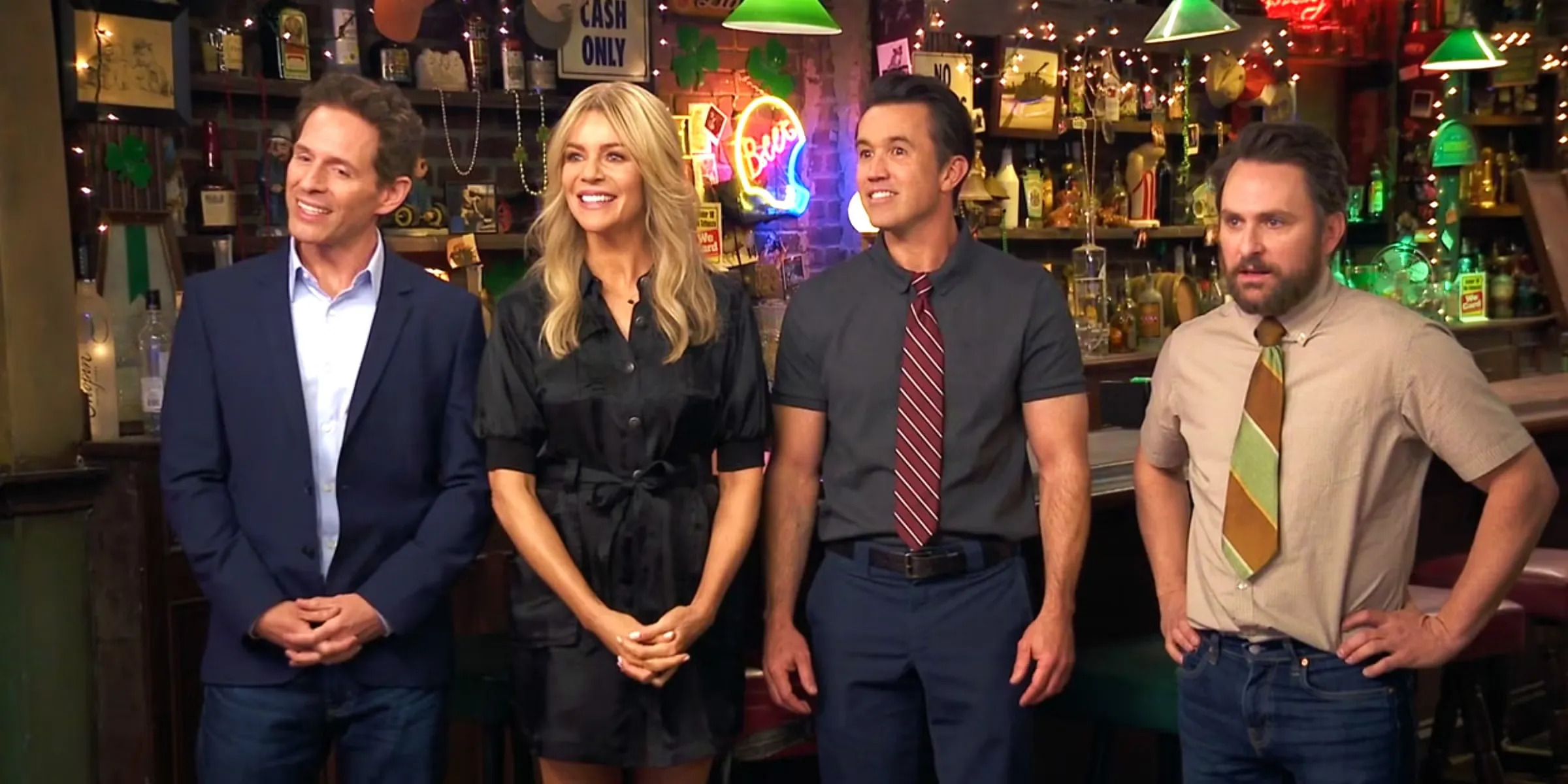
Prepare to step back into the stickiest, most chaotic bar in South Philadelphia. Arriving on FXX and streaming on Hulu (JioHotstar in India from August 18), the eighteenth season of It’s Always Sunny in Philadelphia officially pushes this groundbreaking sitcom into its third decade of television dominance. The fundamental setup remains delightfully unchanged: five fiercely self-absorbed, morally bankrupt friends running the perennially unsuccessful Paddy’s Pub while executing increasingly absurd and hazardous schemes. Yet, what makes this new run of episodes so compelling is how it leans into the widening chasm between the Gang’s frozen-in-time, backward mindsets and a rapidly progressing, modernizing society.
Synopsis
Season 18 of It’s Always Sunny in Philadelphia maintains a surprising level of narrative continuity, directly dealing with the emotional and chaotic fallout of previous events, including familial grief and late-stage romantic pursuits. This season, the dysfunctional quintet faces a modern-day existential crisis as they confront the rising popularity of non-alcoholic hospitality trends. Meanwhile, Dennis and Dee concoct toxic and desperate schemes to secure quick fortunes. As they navigate a contemporary landscape they choose not to comprehend, the Gang relies on outdated logic and decades-old pop-culture references to justify their chaotic misadventures.
Performances
The unmatched chemistry of the central cast remains the beating heart of the series. Glenn Howerton, Kaitlin Olson, Charlie Day, Danny DeVito, and Rob McElhenney continue to deliver masterclasses in physical comedy and toxic interpersonal dynamics. Glenn Howerton and Kaitlin Olson excel at portraying the venomous sibling rivalry between Dennis and Dee, driven by a mutual, desperate thirst for wealth and status. Danny DeVito brings his signature unhinged energy, delivering physical comedy that defies his age, while Rob McElhenney captures the desperate, validation-seeking essence of Mac. Charlie Day is brilliant in a medical-themed narrative that highlights Charlie’s bizarre “idiot-savant” intelligence. Additionally, the return of fan-favorite side characters like Cricket, played by David Hornsby, serves as a hilarious yet brutal reminder of the wreckage the Gang leaves in their wake.
Behind the Lens
Behind the camera, the creative team cleverly weaponizes old-school television and cinematic structures to highlight the characters’ aging perspectives. Season 18 takes creative risks by structuring episodes around retro homages, parodying classic properties like Back to School and Gilligan’s Island. These stylistic choices perfectly mirror the Gang’s inability to process the modern world with anything other than outdated cultural reference points. While a few setups occasionally feel slightly engineered to accommodate these parodies, the execution is saved by brilliant conceptual episodes. A particularly strong, tech-focused episode highlights how Dennis’s extreme narcissism clashes with modern digital tools, while a surreal, conspiracy-fueled sitcom parody stands out as a triumph of dark, satirical writing.
Final Verdict
Ultimately, It’s Always Sunny in Philadelphia proves that some things actually get better with age—especially when the characters refuse to do so. By seamlessly marrying its classic brand of self-centered ignorance with themes of mortality and cultural displacement, the series maintains its status as one of television’s sharpest comedies. After more than twenty years, the show confirms that Paddy’s Pub remains a wonderfully dark sanctuary for weaponized stupidity. For longtime fans and general viewers alike, this season proves there is still plenty of mileage left in the Gang’s descent into madness.