

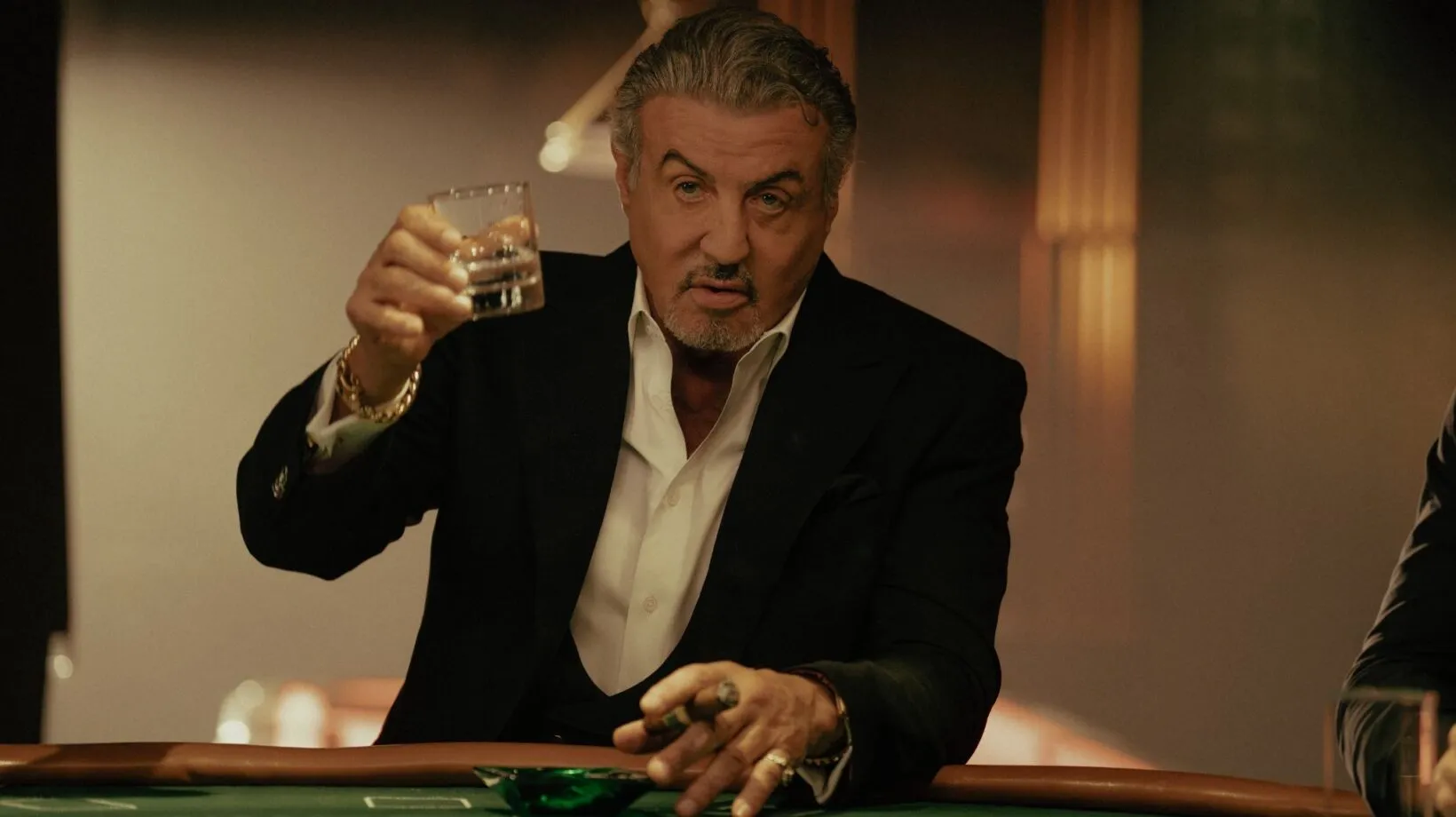
The fourth installment of Tulsa King arrived on Paramount+ on October 16, 2026, continuing the saga of Dwight “The General” Manfredi (Sylvester Stallone) as he transplants his New‑York‑bred mafia savvy to the heartland of Oklahoma. After three seasons of uneasy alliances and sudden power grabs, the show promises a fresh clash between empire‑building and inevitable collapse. This review walks through the season’s narrative core, highlights the performances that anchor the drama, peeks behind the camera work, and delivers a final verdict on whether the series sustains its momentum or teeters toward obsolescence.
Synopsis
Dwight begins season four with a surprisingly solid foothold: a federal license to distribute a rare fifty‑year‑old bourbon, a cooperative rapport with FBI agent Musso, a budding romance with Margaret Devereaux, and a tentative peace with former rival Quiet Ray. The season’s early episodes depict him consolidating these gains while navigating the expectations of Oklahoma’s new governor, Cal Thresher. As external pressures mount—ranging from political maneuverings to looming federal scrutiny—the narrative pivots toward the gradual unraveling of Dwight’s carefully constructed empire, forcing him and his inner circle to confront loss, loyalty, and the cost of staying on top.
Performances
Sylvester Stallone delivers his most nuanced turn to date, shifting from the swaggering capo of earlier seasons to a man grappling with personal grief and the fragility of his ambitions. His quieter moments—especially scenes where he reflects on family—reveal a depth that elevates the material beyond typical crime‑show fare.
Supporting turns are equally solid: Andrea Riseborough as Margaret provides a steady moral compass, while Garrett Hedlund’s Lieutenant Governor Amanda Clark brings a steely, law‑ordered presence that complicates Dwight’s political calculations. The ensemble’s chemistry keeps the interlocking storylines feeling cohesive, even when the script stretches toward sub‑plots that occasionally feel tangential.
Behind the Lens
Showrunner Terence Winter returns to pen the premiere, laying the structural groundwork that the season follows. Director‑of‑photography Brooks Baker captures Oklahoma’s stark landscapes with a palette that shifts from warm, hopeful tones in the opening to cooler, more austere shades as tensions rise. The editing team employs deliberate pacing—allowing grief‑laden beats to linger before cutting back to the series’ trademark brisk dialogue exchanges.
Notable is the episode’s use of a chatbot interaction, a risky narrative device that leans heavily on Stallone’s ability to make a technologically mediated confession feel intimate rather than gimmicky. Production design also deserves mention: the tailor’s shop where Dwight’s sister Joanne nudges him toward a brighter wardrobe visually signals his attempt to shed the New‑York mobster aesthetic in favor of a more localized identity.
Final Verdict
Tulsa King season 4 succeeds in constructing a compelling peak—Dwight’s apparent triumphs are rendered with enough detail to make their eventual decline feel earned rather than arbitrary. Stallone’s layered performance, bolstered by a strong supporting cast and thoughtful direction, gives the season emotional weight that offsets some of its structural hiccups. Parallel storylines involving Tyson’s rap ventures, Mitch’s dealership schemes, and Bodhi’s wine‑forgery flirtations often spin their wheels without adding substantive momentum, and the occasional tonal whiplash—shifting from stark violence to levity—can feel uneven.
Nonetheless, the show’s willingness to experiment (the chatbot scene, the intertwining of politics, technology, and personal stakes) demonstrates a creative ambition that keeps it from becoming a rote crime procedural. For viewers who appreciate character‑driven drama set against a gritty backdrop, this season offers a worthwhile, if imperfect, continuation of the Tulsa King saga.
Also Read:
“Tulsa King Season 3” Review: A Lighthearted Take on the Crime Drama Genre