

Crime dramas rarely manage to disturb audiences while simultaneously earning universal praise, yet The Scarecrow accomplishes exactly this challenging feat. This ENA production, directed by Park Joon-woo and written by Lee Ji-hhyun, has emerged as one of the most emotionally devastating yet brilliantly crafted television series of the year. Spanning twelve episodes, with the seventh installment currently airing on Viu, the show has captured viewers’ attention through its unflinching exploration of trauma, injustice, and the lasting impact of unsolved crimes on human lives.
Though the narrative draws loose inspiration from real-life serial murder cases featured previously in the acclaimed film Memories of Murder, The Scarecrow distinguishes itself by prioritizing emotional devastation over procedural investigation. Rather than presenting a straightforward whodunit, the series examines how a single criminal act can completely dismantle the lives of everyone connected to it, creating a web of suffering that extends far beyond the immediate victims.
Story
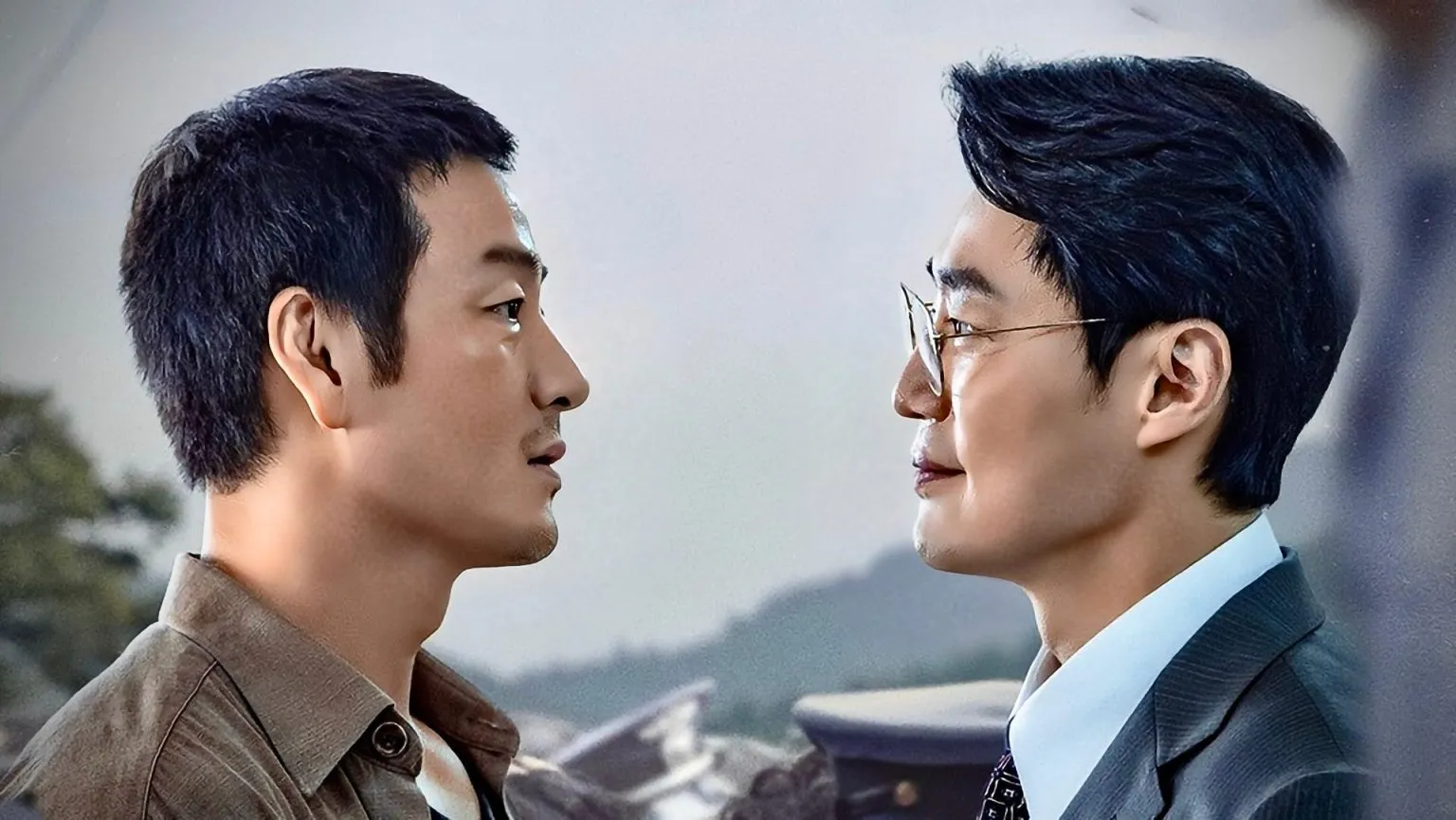
The story unfolds in 2019, nearly three decades after a series of brutal murders terrorized a small community. Former police officer Kang Tae-joo, portrayed by Park Hae-soo, receives the news that the elusive serial killer who escaped justice in 1988 has finally been identified. What should represent closure instead plunges viewers into Tae-joo’s decades-long nightmare, as the revelation triggers a cascade of painful memories and unresolved psychological wounds that have shaped his entire existence. When the accused perpetrator appears before him in prison, it becomes brutally clear how completely this single case destroyed Tae-joo’s life, leaving him emotionally shattered and professionally compromised.
The early episodes chronicle Tae-joo’s forced return to his hometown following a transfer from Seoul, ostensibly to assist with a new investigation. What appears routine quickly transforms when Tae-joo recognizes disturbing connections between recent murders and the cold case that has haunted him for thirty years. The show masterfully builds tension through carefully placed atmospheric elements, from the eerie presence of scarecrows standing in open fields to the chilling significance of stockings found at crime scenes, creating an ever-present sense of dread that permeates every frame.
The narrative excels at challenging audience assumptions at every turn. Initially, suspicions fall on Seong-jin, only for Tae-joo to discover inconsistencies in the timeline that raise serious doubts. Evidence then accumulates against Gi-beom, played by Song Geon-hee, creating a compelling but heartbreaking arc that explores how innocent people can become ensnared in circumstances beyond their control. Watching Gi-beom’s carefuly constructed life crumble under police pressure, including torture designed to extract false confessions, represents some of the most emotionally gut-wrenching television content available this year.
Character development extends beyond the central mystery to examine complex interpersonal relationships. Tae-joo’s relationship with his sister Sun-young, portrayed by Seo Ji-hye, exemplifies this depth, revealing a man whose love for family manifests through protective anger rather than open affection. Meanwhile, Cha Si-young, brought to life by Lee Hee-joon, begins as an apparent antagonist whose political manipulation and willingness to coerce confessions make him immediately dislikeable. The show skillfully deconstructs this facade, revealing a deeply troubled individual whose connection to Tae-joo adds layers of complexity that fundamentally alter the narrative landscape.
Performances
Any discussion of The Scarecrow must begin with Park Hae-soo’s extraordinary portrayal of Kang Tae-joo. His performance captures the physical and psychological toll of obsession with remarkable nuance, depicting a man whose relentless pursuit of justice has come at enormous personal cost. When investigation pressures mount, Hae-soo conveys exhaustion and emotional fragility without succumbing to melodrama, making Tae-joo’s journey genuinely heartbreaking to witness.
Lee Hee-joon delivers a similarly compelling performance as Cha Si-young, somehow managing to make a character defined by moral ambiguity endlessly fascinating. Even during Si-young’s most ethically questionable actions, viewers find themselves drawn into his psychological complexity, eager to understand the wounds that shaped such a ruthless personality. This ability to humanize morally compromised characters demonstrates the extraordinary range Hee-joon brings to the role.
Kwak Sun-young deserves particular recognition for transforming what could have been a peripheral character into someone whose presence carries significant emotional weight. As Seo Ji-won, Sun-young creates a figure whose subtle humanity prevents him from fading into the background, proving that supporting performances can elevate an entire production when executed with this level of care and skill.
Behind the Lens
The creative team behind The Scarecrow has crafted something genuinely special in the current television landscape. Park Joon-woo’s directional choices emphasize atmosphere and emotional resonance over conventional thriller pacing, allowing scenes to breathe while maintaining constant underlying tension. Lee Ji-hhyun’s screenplay balances multiple narrative threads with impressive dexterity, ensuring that plot developments feel earned rather than manipulative.
The series demonstrates remarkable commitment to realistic investigation procedures, including the messiness that accompanies real criminal inquiries. Political interference, rushed conclusions, and the human cost of demanding quick answers all feature prominently, grounding the story in recognizable institutional failures that lend authenticity to every character frustration. While some political exposition scenes occasionally slow momentum, they serve essential purposes in establishing the systemic obstacles that prevent justice from prevailing.
The production design merits particular praise for its visual storytelling. The recurring scarecrow imagery transcends mere symbolism, becoming instead a manifestation of the community’s vigil for justice and the innocent lives lost to violence. Stocking-related murder props create distinctive visual signature that distinguishes The Scarecrow from other entries in the crime genre.
Final Verdict
The Scarecrow represents essential viewing for anyone who appreciates crime narratives that prioritize emotional truth over conventional resolution. With only five episodes remaining, the series has established itself as appointment television, delivering consistently outstanding performances, carefully constructed narrative surprises, and an emotional core that resonates long after credits roll. The show’s greatest achievement lies in its insistence that solving crimes represents only the beginning of any meaningful story, with the true focus resting on the lasting consequences that define so many real-world tragedies.
Those prepared for an emotionally demanding but deeply rewarding viewing experience should prioritize The Scarecrow immediately. This is television that respects its audience’s intelligence while challenging their assumptions at every turn.
Also Read:
Beyond the Shadow: Why “The Scarecrow” is a Captivating New K-Drama Thriller