

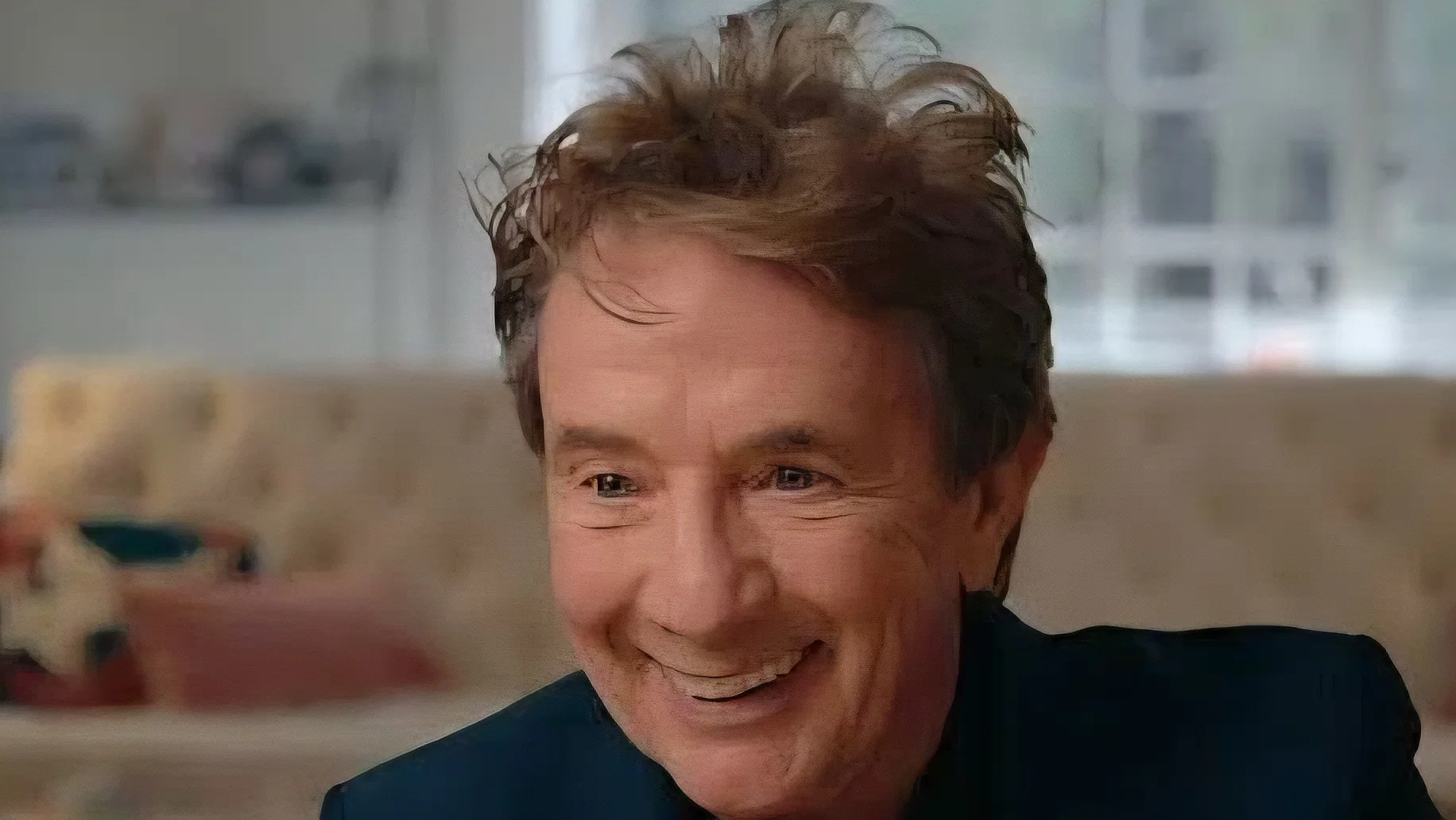
There is something profoundly comforting about watching a documentary that genuinely loves its subject. The Netflix film Marty, Life Is Short, directed by Lawrence Kasdan, achieves precisely this delicate balance—celebrating Martin Short’s extraordinary comedic legacy while offering intimate glimpses into the personal struggles that shaped the man behind the laughter. Rather than presenting a superficial career retrospective, this film delivers a nuanced portrait of an artist whose elastic facial expressions and manic energy have entertained audiences for decades, yet whose life story remains surprisingly private despite his professional visibility.
A DifferentKind of Celebrity Portrait
Martin Short occupies a peculiar position in contemporary pop culture. For younger television audiences, he exists primarily as Oliver Putnam, the eccentric Broadway star in the hit comedy series Only Murders in the Building, sharing screens with comedic luminaries Steve Martin and Selena Gomez. Yet this representation captures only a fractional dimension of a performer who fundamentally shaped sketch comedy on both sides of the Canadian-American border. The documentary corrects this generational gap by tracing Short’s improbable journey from modest Ontario beginnings to the heights of international acclaim, demonstrating how his distinctive comedic voice emerged from very specific circumstances and cultural contexts.
What distinguishes this Netflix documentary from standard celebrity profiles is its unwavering focus on authenticity over sensationalism. While most productions of this nature lean heavily into career milestones and professional achievements, Kasdan’s thoughtful approach prioritizes emotional honesty. The film explores how Short navigated the treacherous waters of sudden fame, maintained a relatively private family life in Ontario away from Hollywood glare, and processed profound personal losses that could have derailed lesser individuals. This balanced perspective transforms what could have been a mere fan appreciation piece into something substantially more meaningful—a meditation on artistic longevity, familial devotion, and the particular toll that public performance exacts from private individuals.
The Canadian Comedy Foundation
Understanding Martin Short’s comedic genius requires acknowledging his formative experiences in Canadian television, particularly his transformative work on SCTV (Second City Television), the legendary sketch program that rivaled Saturday Night Live in innovation and impact. The documentary dedicates considerable attention to this foundational period, illustrating how the show’s collaborative environment and satirical ambitions shaped Short’s approach to comedy. Characters like the perpetually agitated Ed Grimley and the oblivious celebrity interviewer Jiminy Glick emerged from this crucible, each representing distinct facets of Short’s comedic persona—simultaneously self-deprecating and absurd, physically expressive and linguistically nimble.
The film does not shy away from documenting the complex professional decisions that defined Short’s career trajectory. His eventual transition to Saturday Night Live appeared to represent the natural culmination of comedic ambition, yet the documentary reveals a more complicated reality. As Short himself recounts in interviews, his American experience proved deeply unsatisfying, leading him to negotiate an early departure from the show that had served as a launching pad for countless comedic careers. This revelation humanizes Short considerably, suggesting an artist who prioritizing personal authenticity over career advancement—a trait that would define his subsequent choices and contribute to his distinctive place in comedy history.
Personal Triumphs Behind the Laughter
Beyond professional accomplishments, Marty, Life Is Short excels in its treatment of Short’s personal life, offering viewers access to dimensions of his existence rarely discussed in entertainment journalism. The documentary presents compelling evidence of a man who deliberately constructed boundaries between his public persona and private responsibilities, raising a family in Ontario while maintaining a remarkably clean public record free of scandal or controversy. In an era when celebrity misbehavior generates endless media attention, Short’s commitment to domestic normalcy emerges as both admirable and increasingly rare.
The film’s most emotionally resonant moments emerge from its treatment of grief and loss. Short’s candid discussion of his parents’ deaths during his formative years, followed by the passing of his older brother—a figure he explicitly identifies as his childhood hero—establishes the psychological foundations that would later inform both his comedic sensibilities and his approach to interpersonal relationships. The documentary incorporates footage from The Late Late Show with Tom Snyder, where Short discussed these losses with characteristic vulnerability, demonstrating how personal tragedy and comedic excellence need not exist in opposition but can instead inform and strengthen one another.
Friendship and Artistic Collaboration
Lawrence Kasdan’s directorial presence significantly shapes the documentary’s affectionate tone. The acclaimed filmmaker behind classics such as Body Heat, The Accidental Tourist, and The Big Chill brings substantial warmth and old-school Hollywood sophistication to the project, elevating the material while maintaining emotional accessibility. The long-standing friendship between Kasdan and Short pervades every frame, manifesting in casual interactions and comfortable conversations that feel remarkably unguarded for a production destined for global streaming distribution.
Throughout the film, Short addresses his interviewer as “Larry,” a colloquial familiarity that immediately signals decades of shared history. This dynamic allows for the kind of intimate revelations that typically elude professional documentary subjects, enabling Short to discuss topics ranging from his creative processes to his philosophical outlook on mortality and legacy. While this close relationship inevitably introduces certain rose-colored perspectives—a factor that aligns with Netflix’s demonstrated expertise in producing appreciative content rather than critical examinations—the emotional authenticity remains compelling throughout.
Celebrity Tributes and Collective Admiration
The sheer caliber of voices appearing in Marty, Life Is Short serves as powerful testimony to Short’s standing within the entertainment community. Tom Hanks, Steven Spielberg, and Steve Martin each contribute testimonial segments, offering perspectives that illuminate different facets of Short’s multidimensional personality. Their collective presence demonstrates genuine respect rather than obligatory participation, suggesting an artist whose professional relationships transcend mere industry acquaintanceship.
Particularly moving are sequences featuring Spielberg and his wife, actress Kate Capshaw, discussing Short’s relationship with his late wife Nancy, who succumbed to cancer after years of marriage. When Short himself becomes emotionally overwhelmed while performing a song he composed specifically for Nancy, the documentary achieves genuinely profound emotional clarity. These moments transcends typical celebrity documentary territory, offering viewers access to raw human vulnerability that transcends fame or professional achievement.
Legacy and Continued Relevance
Marty, Life Is Short ultimately succeeds because it acknowledges its subject’s fundamental decency alongside his considerable talents. The film’s exploration of how Short “negotiated” loss—his chosen terminology—resonates with audiences navigating their own grief experiences. Comedy, in Short’s articulated philosophy, serves not as distraction from pain but as a mechanism for processing and transcending it, transforming personal suffering into communal catharsis.
The documentary remains essential viewing for comedy enthusiasts seeking to understand how individual artists absorb, transform, and retransmit cultural influences across generational boundaries. For general audiences unfamiliar with Short’s Canadian comedy origins, the film provides invaluable context, bridging gaps between SCTV appearances and contemporary work in Only Murders in the Building. For longtime fans, it offers intimate access to a private individual who consistently prioritized substance over celebrity, family over fame, and authentic connection over professional advancement.