

When it comes to true crime documentaries, Netflix has established itself as a formidable platform bringing difficult stories to mainstream audiences. The second season of Worst Ex Ever continues this tradition while delivering something uniquely valuable: a powerful reminder that the warning signs of dangerous relationships often hide in plain sight. This review examines why this docuseries deserves your attention despite its challenging nature.
Introduction to the Series
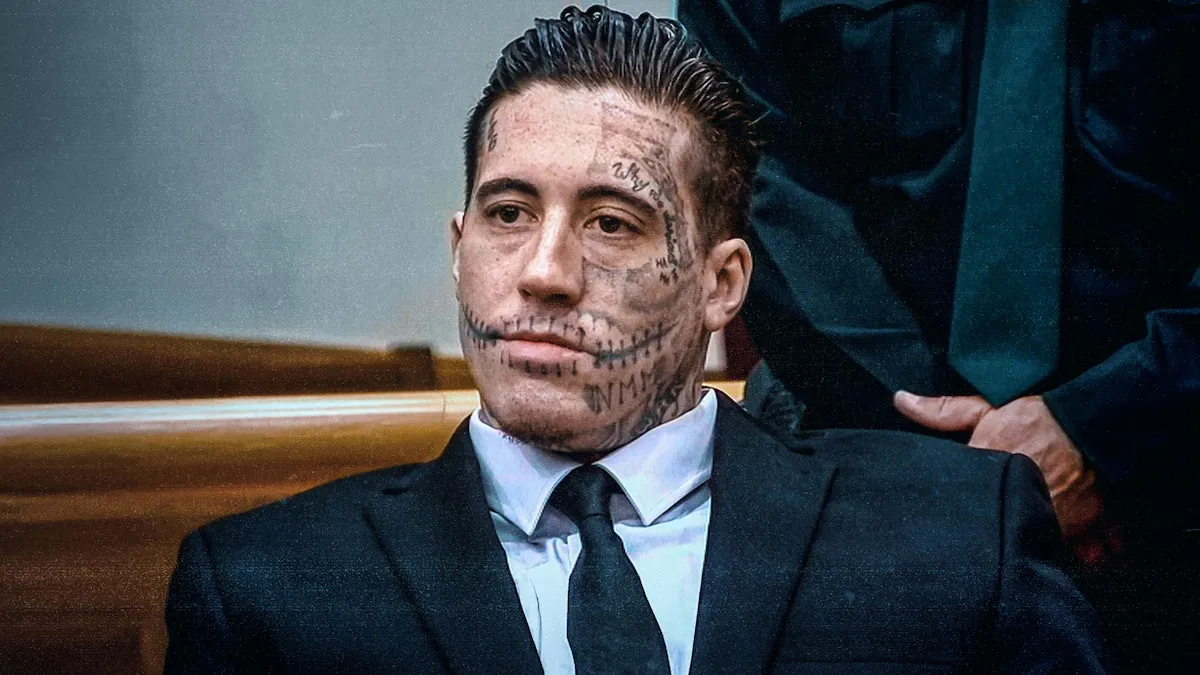
Directed by Cynthia Childs and produced by Jason Blum, Worst Ex Ever Season 2 presents four hour-long episodes constructed around actual cases that span the spectrum of intimate partner violence and manipulation. The series features survivor testimonies from Kelly Matthews, Kristen Wilson, Katie Long, and Karen Kummerer, while simultaneously examining the actions of perpetrators Wade Wilson, Geoffrey Paschel, Joyce Pelzer, and Scott Freeman. What distinguishes this documentary from many others in the genre is its deliberate focus on victim’s perspectives and its methodical approach to revealing how seemingly normal relationships can harbor devastating secrets.
The docuseries opens with a striking observation that immediately captures viewer attention: the uncomfortable similarity between all the featured couples during their initial stages. Each episode begins by showing couples who appear completely ordinary, even sweet and gentle, with nothing that would alert outside observers to potential danger. This deliberate presentation serves a crucial purpose, forcing viewers to confront the unsettling reality that dangerous individuals often appear completely unremarkable at first glance.
The Building Tension and Methodology
What elevates Worst Ex Ever Season 2 above typical true crime offerings is its masterful control of narrative tension rather than reliance on shock tactics. Throughout each episode, the documentary gradually unveils how seemingly genuine affection transforms into manipulation, control, and domination. The genius lies in recognizing that genuine terror does not require graphic imagery; sustained psychological suspense proves far more disturbing than momentary visual shocks.
The pacing across all four episodes demonstrates remarkable craft, with each segment developing at its own appropriate rhythm. The creators resist the temptation to rush toward climactic revelations or artificially extend narratives, instead allowing each story the breathing room it requires. This measured approach enhances the documentary’s psychological impact, giving viewers sufficient time to process information and recognize warning patterns along with the participants.
Episode Analysis: The Wade Wilson Case
Singling out the most disturbing episode proves nearly impossible given the uniformly horrifying nature of all featured cases, yet the segment centering on Wade Wilson stands out for its particular brand of terror. The survivor account of Kelly Matthews illustrates a disturbing pattern of institutional failure, as her suffering was consistently overlooked during initial stages. This episode functions as more than mere documentation of one individual’s trauma; it serves as a stark examination of systemic negligence and how dangerous individuals exploit societal inattention.
The episode’s true power emerges from its exploration of how perpetrators manage to remain invisible despite their actions. Rather than presenting Wilson as an obvious monster, the documentary reveals how his capacity for harm existed alongside behaviors that allowed him to escape scrutiny. This nuanced examination provides viewers with critical awareness about how danger often wears ordinary faces and operates within standard social parameters.
Examining Geoffrey Paschel’s Pattern of Abuse
The segment featuring Geoffrey Paschel offers a distinctly different emotional register compared to other episodes. Where the Wade Wilson case traces an escalation of violence, the Paschel narrative exposes a pattern of repeated abuse across multiple victims spanning years. This comparative element introduces a particularly chilling realization: the same manipulative tactics succeeded repeatedly because they operated within predictable behavioral frameworks that victims and observers failed to recognize as dangerous.
The documentary’s treatment of this case emphasizes how charismatic presentation enables sustained abuse. Paschel’s ability to maintain normal-seeming behavior while perpetrating harm against multiple individuals demonstrates a calculated aspect of intimate partner violence that deserves wider recognition. Viewers come away understanding that abusers often succeed not despite their behavior but because of carefully cultivated personas that deflect suspicion.
The Joyce Lewis-Pelzer Episode and Its Complex Motives
Perhaps the most psychologically complex episode recounts the story of Joyce Lewis-Pelzer. This segment transcends typical true crime documentation by examining motivation rather than merely cataloging actions. The murder itself provides foundation, but the documentary’s real power lies in exploring why such violence occurs and what underlying psychological mechanisms drive perpetrators.
The revelation about concealment from new partners adds another layer of manipulation to the narrative. Joyce’s decision to withhold information from her new girlfriend was not motivated by guilt or repentance but rather represented a strategic calculation designed to maintain control and maximize leverage. This insight into abuser psychology proves invaluable for viewers seeking to understand the calculated nature of intimate partner violence.
Katie Long’s courageous participation in recording Joyce’s confession deserves particular recognition. Her willingness to assist law enforcement despite associated dangers demonstrates remarkable bravery and commitment to preventing future harm. The documentary appropriately honors this contribution while noting the tragic reality that Joyce’s behavior escalated to claiming another life despite intervention.
The Interstate Kidnapping: Scott Freeman Case
The final episode featuring Scott Freeman unfolds with thriller-like intensity, presenting Karen Kummerer’s interstate kidnapping as a race-against-time narrative. Despite knowing outcomes in advance, viewers find themselves emotionally invested in Karen’s survival as she employs creative methods to send signals and leave notes from restroom locations. This installment demonstrates how documentary filmmaking can generate genuine suspense while maintaining commitment to factual accuracy.
The episode’s focus on victim perspective proves particularly effective during this harrowing account. Rather than centering the narrative on Freeman’s crimes, the documentary maintains appropriate emphasis on Kummerer’s experiences, her strategies for survival, and her resilience under extraordinary circumstances.
Technical Excellence and Production Values
From a technical standpoint, Worst Ex Ever Season 2 demonstrates impressive craftsmanship across multiple dimensions. The pacing proves particularly noteworthy, with each episode permitted to develop according to its inherent needs rather than conforming to artificial structural demands. The documentary neither rushes revelations nor unnecessarily prolongs narratives, achieving a balance that respects both subject matter and viewer attention.
The use of reenactments deserves special praise for its restraint and purposefulness. Rather than overwhelming sequences with dramatized content, the production deploys reenactments strategically, allowing viewers to visualize key moments without ever losing connection to the authentic footage that forms the documentary’s foundation. This measured approach enhances immersion while preserving the integrity of survivor testimonies.
Emotional Impact and Realism
The documentary’s commitment to survivor perspectives without sensationalized embellishment creates an experience that proves simultaneously powerful and difficult. By presenting events through the lens of those who lived them, the series achieves a level of authenticity that more constructed narratives cannot match. This approach, while potentially harder to process emotionally, provides viewers with genuine understanding rather than mediated interpretation.
The unflinching presentation style occasionally necessitates pauses during viewing. The documentary makes no attempt to soften its content or shield audiences from difficult truths, a decision that strengthens its impact while acknowledging its challenging nature. Viewers should approach this series with awareness that its commitment to honesty produces corresponding emotional intensity.
Relevance to Real-World Situations
What makes Worst Ex Ever Season 2 particularly valuable extends beyond its entertainment or informative qualities into the realm of practical awareness. While presented through dramatized cases, the warning signals explored throughout the series—manipulation tactics, isolation techniques, and control patterns—manifest in relationships across diverse contexts. Viewers equipped with this knowledge gain tools for recognizing potentially dangerous dynamics in their own lives or those of people they care about.
The docuseries intentionally avoids presenting solutions, instead focusing on awareness as its primary contribution. This approach proves wise, as intimate partner violence requires complex interventions beyond documentary scope. However, by illuminating patterns and consequences, the series empowers viewers to take initial steps toward recognition and response.
Conclusion: A Worthwhile but Demanding Watch
Worst Ex Ever Season 2 emerges as a significant entry in the true crime documentary landscape. Its combination of compelling storytelling, technical proficiency, and social relevance creates an experience that rewards viewer investment despite its demanding nature. The series succeeds in its dual purpose of honoring survivor experiences while educating audiences about relationship dangers that often escape detection.
Those seeking documentary content that respects intelligence while challenging assumptions will find much to appreciate here. While not easy viewing, the series offers genuine value for viewers prepared to engage with difficult material. In an era when awareness of intimate partner violence remains critically important, Worst Ex Ever Season 2 provides accessible entry point to understanding patterns that affect countless individuals.