

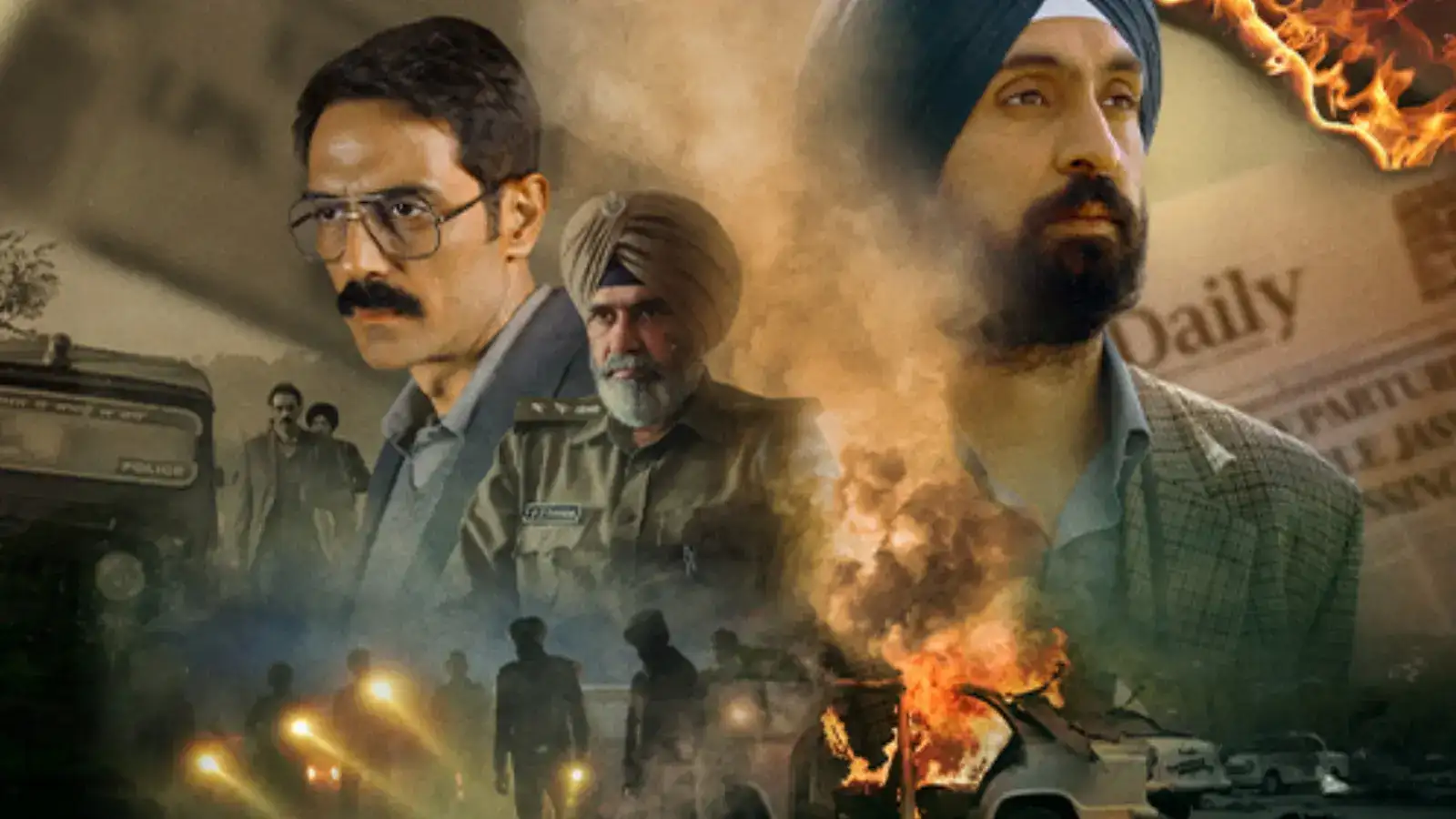
When a film emerges from a battle with censors and finally reaches the audience with zero cuts, it carries a weight that transcends mere entertainment. Satluj, formerly known as Panjab 95, is one such project. Starring Diljit Dosanjh and directed by Honey Trehan, this biographical drama delves into the life of Jaswant Singh Khalra—a real‑life human‑rights activist who risked everything to expose the extrajudicial killings and mass cremations that plagued Punjab during the state’s turbulent insurgency years. The movie premiered on ZEE5 on July 3, after three years of legal wrangling with the Central Board of Film Certification (CBFC), which originally demanded over a hundred cuts. The final product is raw, brutal, and impossible to ignore—a compelling call for justice that resonates far beyond its regional roots.
Synopsis
The narrative opens with a series of police encounters in Punjab, where young men are gunned down under the guise of “anti‑militant operations.” As the story unfolds, we meet Jaswant Singh (Diljit Dosanjh), an ordinary office worker whose life takes a drastic turn when his friend Kirpal’s wife, Bibi Gurpej, disappears after Kirpal is found dead on a street. Learning that Gurpej was cremated as an “unclaimed body,” Jaswant embarks on a perilous investigation into the systematic killings and mass cremations orchestrated by corrupt officials. Facing intimidation, threats, and a deeply entrenched network of power, he persists in his quest for truth, shining a light on the fate of thousands of victims. The film stays true to the factual timeline while dramatizing the emotional turmoil experienced by those who dared to speak out.
Performances
Diljit Dosanjh delivers a nuanced portrayal of Jaswant Singh, stripping away his usual star‑studded aura to embody the quiet determination of a man propelled by conscience. He balances vulnerability with unflinching resolve, ensuring the audience feels both his fear and his courage. Arjun Rampal appears as the film’s narrator and arrives later in the story, yet his commanding voice provides a steady anchor to the escalating tension. Suvinder Vicky offers a compelling turn as a policeman caught between loyalty and morality, lending authenticity to the film’s gritty atmosphere. Saurabh Sachdeva, known for his intense screen presence, adds further depth to the ensemble. The collective effort results in a performances‑driven piece that feels lived‑in and genuine.
Behind the Lens
Honey Trehan, after his debut with Raat Akeli Hai, takes a bold step into historical territory with Satluj. His direction avoids sensationalism, opting instead for a restrained, documentary‑style approach that amplifies the film’s emotional impact. Trehan’s decision to keep the narrative tight and focused on the central investigation prevents subplots from diluting the core message. Cinematographer KU Mohanan captures the stark, sun‑scorched landscapes of Punjab, turning each frame into a visual testament to the region’s suffering and resilience. The sound design mirrors the film’s tone—minimal yet piercing, echoing the silence that often follows violent upheaval. Despite the censorship ordeal, the team persisted, ultimately securing a release with no deletions, preserving the integrity of their vision.
Final Verdict
Satluj is not a film for those seeking lighthearted entertainment; it is a sobering, urgent story that demands attention. Its strength lies in its unflinching portrayal of a dark chapter in Indian history, coupled with stellar performances and thoughtful direction. While the nearly three‑hour runtime occasionally tests patience, the gravity of the subject matter justifies the length. The movie succeeds in honoring the human spirit without glorifying tragedy, offering viewers a chance to reflect on the cost of justice in times of political violence. For anyone interested in meaningful cinema, Satluj stands as a vital, haunting testament to courage.