

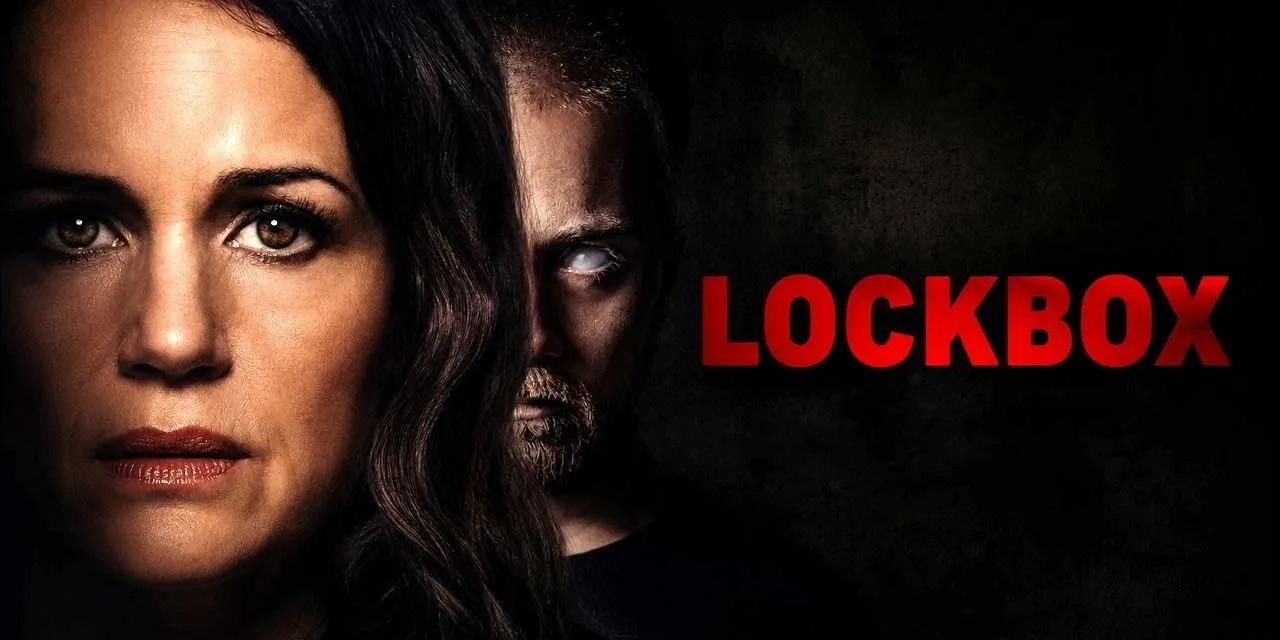
Lockbox (2026) arrives in theaters on July 3 courtesy of Aura Entertainment and will soon ripple through premium VOD platforms and MGM+ home‑media releases. Adapted from Soren Narnia’s “Winthrop” episode of the cult podcast Knifepoint Horror, director Daniel Stamm and screenwriter Justin Yoffe blend supernatural dread with a stark examination of trauma. The film follows Ellen (Carla Gugino), a former fashion designer turned caretaker, as she shelters her war‑scarred cousin Winthrop in a remote farmhouse, only to confront an otherworldly predator that preys on his vulnerabilities.
Synopsis
After a long stint caring for a dying mother, Ellen retreats to a quiet town and opens her home to Winthord, a PTSD‑riddled veteran. A mysterious neighbor boy and a malevolent entity begin stalking him, forcing Ellen to decide how far she will go to protect her kin. As possession and body‑transfer chaos erupt, the duo must confront a terrifying solution that challenges their moral compass.
Performances
Carla Gugino anchors the film with a measured, almost stoic calm that subtly shifts between concern and suppressed terror. Her restrained reactions—deliberate pauses, lingering glances across the hallway—craft a portrait of a woman constantly weighing how much fear to reveal.
Lou Taylor Pucci delivers a compellingly detached Winthord, effectively conveying the disorientation of a soldier haunted by past abuse and combat trauma. His body language—slouched posture, sudden jerks—makes the character’s inner turmoil palpable, even when the script offers little exposition.
Katharine Isabelle shines as Vahna Minter, the eerie neighbor whose white‑braided hair and blunt speech inject a jolt of personality into the early act. Although the script leans heavily on jump scares when she appears, Isabelle’s commitment to the role’s physical quirks keeps the audience engaged.
Behind the Lens
Stamm’s direction excels in staging sudden, kinetic scares—mirrored reflections, abrupt close‑ups, and swift camera darts that manipulate audience attention. The visual palette is surprisingly clean; the farmhouse interiors, character faces, and movements are rendered with crisp clarity, defying the darker tone of the promotional artwork.
Yoffe’s screenplay wrestles with an ambitious mythology: a “lockbox” is a human vessel that can imprison demonic forces. This concept introduces a morally fraught dilemma—saving one soul by condemning another—to the possession genre. Unfortunately, the film rushes through the ethical resolution, offering scant backstory on the child lockbox and minimal discussion of the consequences, leaving the central premise under‑explored.
The production’s reliance on CGI for spectral intrusions sometimes outweighs the tension that could have been built through consistent rules and foreshadowing. While the climax delivers visceral body‑horror and ritualistic spectacle, the concluding shift to sun‑bathed, sentimental imagery feels at odds with the grim moral questions raised earlier.
Final Verdict
Lockbox presents a genuinely inventive twist on possession horror, hinging on the unsettling notion that a person can become a vessel for evil. Carla Gugino imbues Ellen with authentic faith and determination, grounding the film’s more outlandish moments. However, the screenplay’s hesitation to flesh out its mythology and the overuse of predictable jump scares diminish the overall impact. Director Daniel Stamm proves adept at crafting clean, effective fright set‑pieces, yet the lack of a solid rule‑based supernatural framework prevents the tension from ever fully gripping.
For horror enthusiasts craving a fresh ethical angle and a strong central performance, Lockbox is worth the watch—if only to experience its bold, if imperfect, exploration of trauma and terror.