

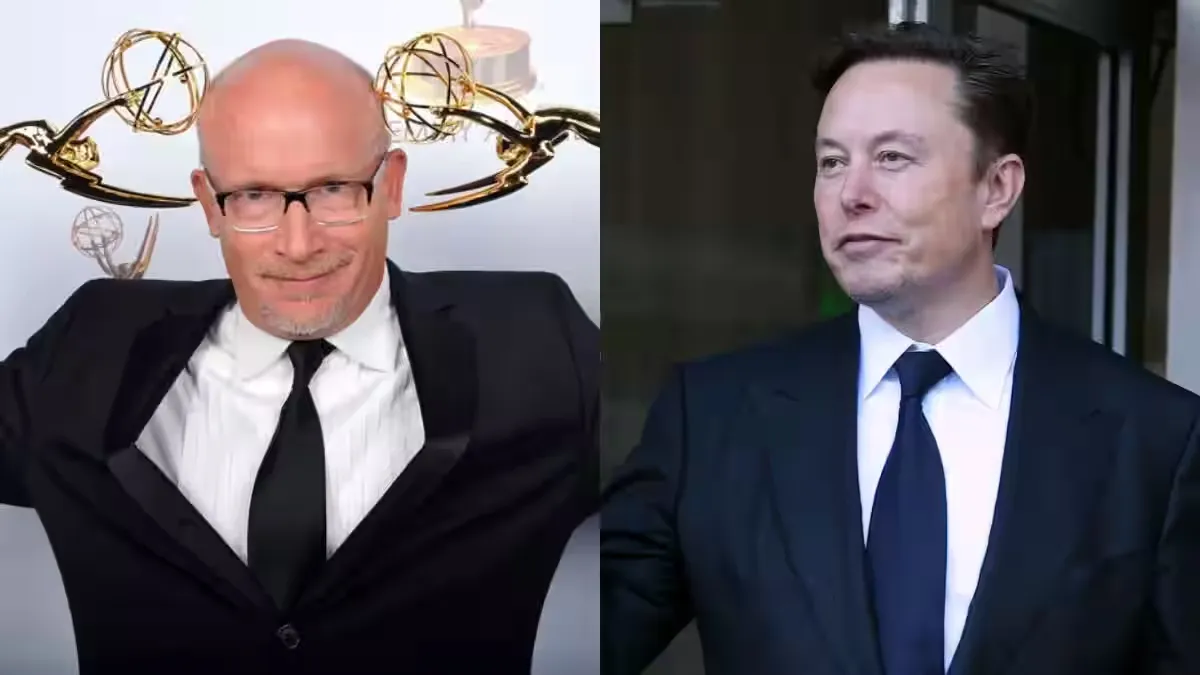
When filmmaker Alex Gibney announced plans to chronicle the life of billionaire entrepreneur Elon Musk, the project instantly sparked discussion across tech and media circles. Musk’s pre‑emptive criticism on his platform X—labeling the forthcoming film a “hit piece” and directing personal remarks at Gibney—set a contentious tone before any footage was seen. The ensuing refusal by Musk to participate forced Gibney to confront a fundamental documentary dilemma: how to portray a dominant public figure without his direct cooperation.
Background and Controversy
Three years ago, the news that Gibney, renowned for investigative works such as Going Clear and The Armstrong Lie, would tackle Musk’s story generated considerable buzz. Musk’s reaction was swift and harsh. He dismissed the documentary as a partisan attack and questioned Gibney’s motives, a stance that reverberated through his follower base. This public spat not only heightened anticipation but also underscored the power dynamics at play: a mogul able to shape narratives versus a filmmaker seeking an independent examination.
The Challenge of Musk’s Absence
A conventional biography leans heavily on interviews with its subject, allowing viewers to hear motivations, regrets, and aspirations straight from the source. Musk’s decision to withhold participation removed that primary conduit, leaving Gibney’s team to reconstruct his perspective from secondary materials. The film’s nearly four‑hour runtime needed to compensate for the missing voice while still delivering a nuanced portrait of Musk’s evolution from a zip‑2 startup founder to a central figure in electric vehicles, space exploration, and social media.
Innovative Use of AI Avatar
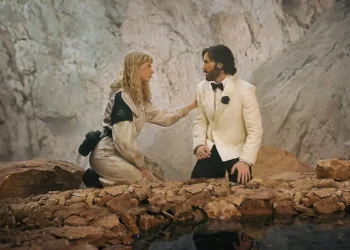
To bridge the gap, Gibney’s crew turned to Musk’s extensive public archive—interviews, conference keynotes, tweet threads, and televised appearances. Using this material, they constructed an AI‑generated avatar that mimics Musk’s speech patterns and facial expressions. The digital likeness appears on screen, delivering lines drawn directly from his earlier statements. This technique creates the illusion of a live conversation, letting the audience “hear” Musk without a fresh interview.
The approach serves two purposes. First, it preserves the documentary’s claim to authenticity by relying solely on the subject’s own words. Second, it sparks a broader dialogue about the ethics and creative possibilities of artificial intelligence in nonfiction storytelling. By blending archival footage with synthetic media, Musk exemplifies how modern filmmakers can adapt when traditional access is denied.
Narrative Structure and Themes
The documentary unfolds chronologically, tracing Musk’s ventures from Zip2 and PayPal to Tesla, SpaceX, Neuralink, and his acquisition of X (formerly Twitter). Each segment highlights pivotal decisions—such as the bet on reusable rockets or the push for mass‑market electric cars—that amplified his technological footprint. Interwoven with these milestones are examinations of the controversies that have trailed his career: labor practices at Tesla factories, regulatory clashes with the SEC, and the societal impact of his platform’s content policies.
Gibney does not shy away from probing the concentration of power that stems from Musk’s control over multiple high‑visibility industries. The film raises questions about accountability when a single individual can sway market trends, shape public discourse, and influence governmental policy through personal ventures and social media outreach.
Critical Reception and Implications
Critics have praised Musk for its ambitious use of AI and its willingness to confront uncomfortable truths about celebrity influence in the digital age. Some reviewers note that the avatar occasionally feels uncanny, reminding viewers of the mediation layer between subject and audience. Others argue that the film’s reliance on past statements may gloss over recent evolutions in Musk’s thinking, given the rapid pace of his public commentary.
Nevertheless, the documentary stands as a case study in adaptive filmmaking. It demonstrates how creators can uphold investigative rigor while leveraging emerging technologies to fill informational voids. For viewers interested in the intersection of tech, media, and power, Musk offers a thorough, critically engaged perspective that goes beyond a simple biography.
Verdict
Alex Gibney’s Musk transcends the traditional biopic by turning a limitation—an uncooperative subject—into an inventive storytelling opportunity. Through meticulous archival research and an AI‑driven avatar, the film delivers a detailed, critical examination of one of the most influential figures of our era. At the same time, it invites audiences to reflect on the evolving role of artificial intelligence in shaping how we document and understand contemporary personalities.