

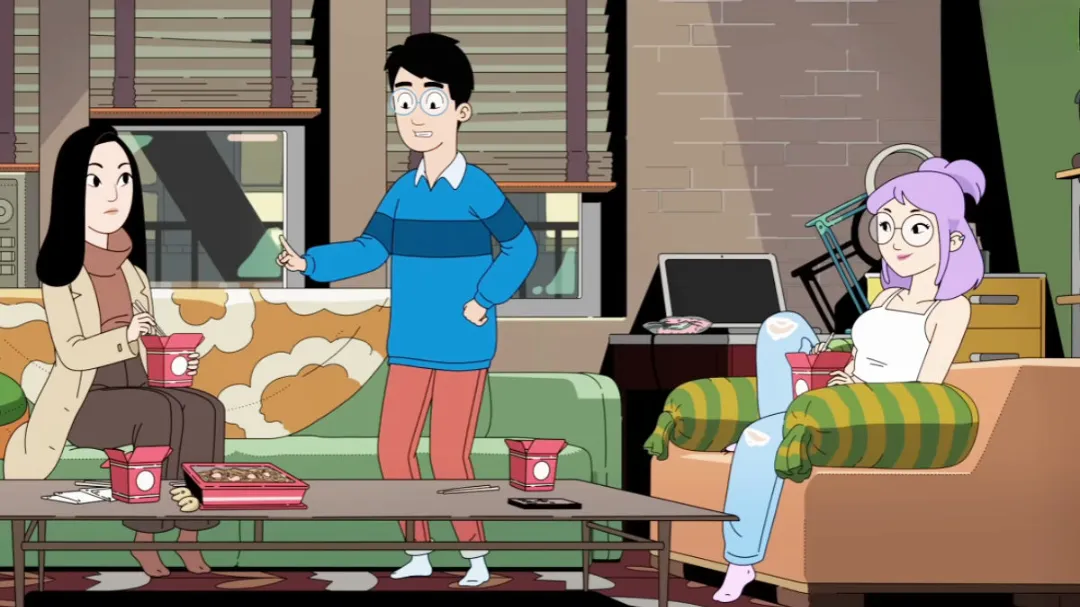
Netflix’s newest adult‑animated offering, DANG!, bursts onto the streaming platform with a noisy blend of sibling rivalry, quarter‑life crises, and unapologetically raw jokes. Created by Andrew Law, who also lends his voice to the titular Andrew Dang, the eight‑episode series is steered by showrunner Anthony Chun and executive producers Matt Murray and Mike Schur. The show’s cast includes Stephanie Hsu, Poppy Liu, Noël Wells, Edi Patterson, SungWon Cho, Jared Goldstein, Al Roberts, Adam Pally, and several other talented voice artists. While the premise is rooted in an Asian‑American family, the humor transcends cultural specifics, aiming for a broader commentary on adulthood gone sideways.
Synopsis
Young adults Andrew and Eunice Dang navigate unstable jobs, disastrous dates, and perpetual indecision in New York City. Their makeshift routine of self‑sabotage is upended when their older sister Ruthie, a seemingly picture‑perfect professional, returns home unexpectedly. The three siblings are forced to share a cramped apartment, reigniting old tensions and sparking new misunderstandings. As they confront career setbacks, family expectations, and the absurdities of modern life, the series stitches together a chaotic yet oddly relatable portrait of three adults who are still figuring out how to function.
Characters
- Andrew Dang (voiced by Andrew Law) – A slacker with a talent for turning misfortune into a lifestyle choice. His carefree attitude masks a deeper fear of responsibility, making him both hilarious and oddly sympathetic.
- Eunice Dang (voiced by Poppy Liu) – Andrew’s sister‑in‑law, whose sharp wit and impulsive decisions often land her in comedic disaster. Her dynamic with Andrew feels like a long‑standing rivalry that oscillates between affection and annoyance.
- Ruthie Dang (voiced by Stephanie Hsu) – The eldest sibling, outwardly successful and meticulously organized. Hsu infuses Ruthie with a dry, dead‑pan humor that highlights the gap between her polished exterior and the chaotic family she left behind.
- Supporting Cast – Greta (Noël Wells), a neighbor with a penchant for unsolicited advice; a rotating roster of coworkers, dates, and parental figures who each add layers of absurdity to the siblings’ lives.
The chemistry among the three leads is the engine of the show. Law and Liu bounce off each other with a rhythm that feels earned, while Hsu’s performance grounds the series, preventing Ruthie from becoming a one‑dimensional “perfect sister” trope.
Behind the Lens
Anthony Chun’s direction embraces a kinetic, 2‑D aesthetic that mirrors the characters’ emotional turbulence. Bright color palettes and exaggerated facial expressions amplify the comedic beats without sacrificing the moments of genuine connection. The writing team, led by Law, leans into the characters’ flaws, allowing jokes to emerge organically from their insecurities about work, love, and family expectations.
Although the series occasionally leans into over‑the‑top antics—some scenes border on obnoxious—the underlying script remains anchored in relatable adult anxieties. The humor often targets the millennial‑and‑Gen‑Z experience: awkward Zoom calls, gig‑economy burnout, and the pressure to “have it all together.” This focus gives DANG! a distinct voice within the crowded adult‑animation market, even if its brand of comedy may not resonate with every viewer.
The voice cast brings an energetic dynamism that elevates the material. Hsu’s timing, in particular, turns Ruthie’s stern critiques into moments of self‑deprecation, revealing a character who, despite her polished façade, makes mistakes just as often as her younger siblings. The supporting actors contribute memorable one‑liners that punctuate each episode, ensuring the series never feels static.
Final Verdict
DANG! is far from flawless, but its imperfections are part of its charm. The series thrives on character‑driven humor, using the siblings’ dysfunction to explore broader themes of adulthood, cultural expectations, and the uneasy balance between independence and family ties. While some jokes veer into territory that might alienate viewers seeking a lighter tone, the heartfelt undercurrent—especially the subtle displays of sibling affection—keeps the narrative from devolving into pure chaos.
For audiences who appreciate animated comedies that blend sharp satire with authentic emotional beats, DANG! offers a refreshing, if occasionally messy, ride. Its vibrant animation, strong voice performances, and willingness to expose the messiness of growing up make it a worthwhile addition to Netflix’s adult‑animation lineup. Whether it will become a staple of the genre remains to be seen, but the series certainly sets the stage for the Dang siblings to evolve—and for viewers to keep coming back for more of their wonderfully flawed lives.