

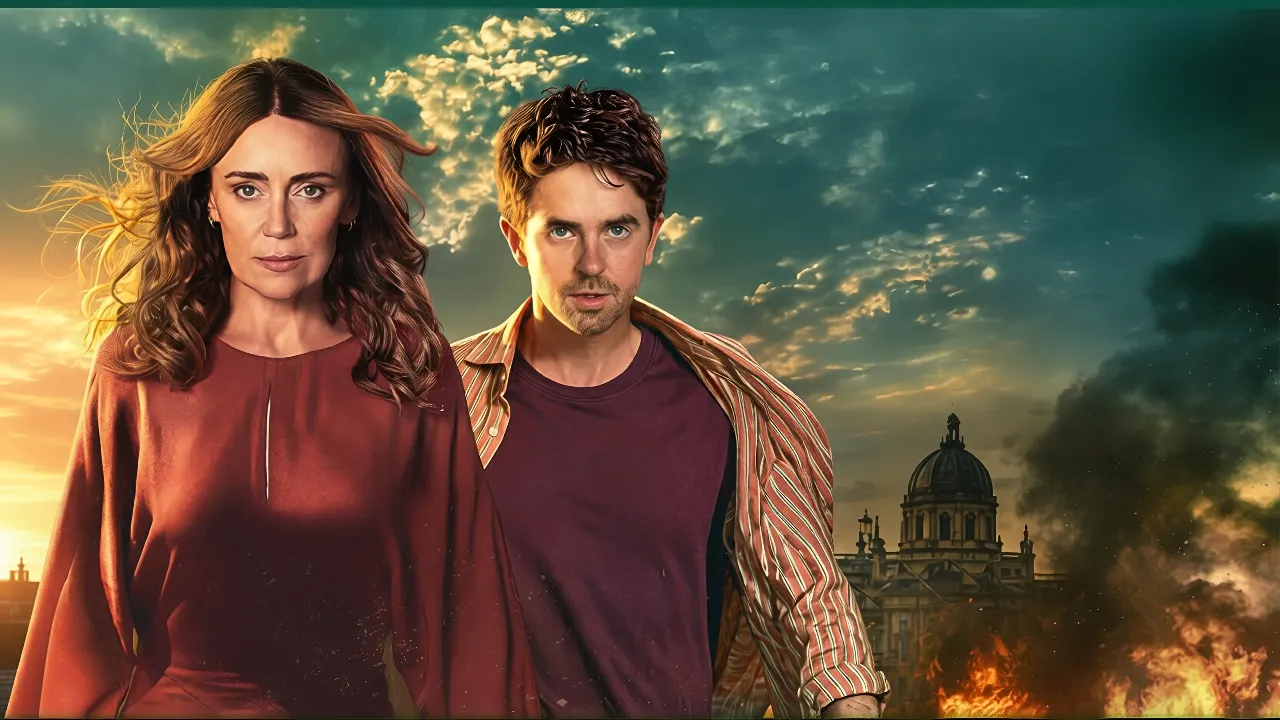
When The Assassin returned for its sophomore run on Amazon Prime Video and Stan on November 6, 2026, creators Harry and Jack Williams delivered more than just high‑octane set pieces. The season leans heavily on the fraught relationship between former contract killer Julie (Keeley Hawes) and her reluctant son Edward (Freddie Highmore). Their personal discord fuels every chase, interrogation, and improvised rescue, turning what could be a straightforward vengeance plot into a study of how familial wounds complicate even the most precise operations. Below we break down the season’s narrative core, performances, production choices, and overall impact—keeping spoilers to a minimum while highlighting why the series continues to grip audiences.
Synopsis
Julie, now living under the radar, is pulled back into the criminal underworld when Edward’s new wife Kayla vanishes during their Spanish honeymoon. Forced to cooperate despite years of estrangement, mother and son navigate a tangled web of corrupt officials, rival syndicates, and long‑buried family secrets. Along the way, they encounter allies such as the quick‑witted Interpol officer Bastien and the morally conflicted nurse Titus, whose own entanglements widen the stakes. The season balances relentless action with quiet moments of tension, using wedding plans, therapy sessions, and missed invitations as metaphors for the characters’ inability—or unwillingness—to fully reconcile.
Performances
Keeley Hawes commands the screen as Julie, blending lethal precision with a palpable reluctance to confront her past. Her dry wit surfaces in the sarcastic nicknames she drops (“Onions,” for instance) yet never undermines the gravity of her mission. Freddie Highmore offers a compelling counterpoint as Edward, whose earnest desire to do the right thing constantly clashes with his inexperience in the field. Highmore’s nervous energy makes each hesitant decision feel authentic, while his moments of bravery—such as stepping in during a botched interrogation—highlight his growth without erasing his vulnerabilities. Supporting turns from Arnaud Binard as Bastien and Boris Van Severen portraying Titus add texture, providing alternate perspectives on loyalty and coercion that enrich the central duo’s dynamic.
Behind the Lens
The Williams brothers employ a deliberately jagged editing rhythm that mirrors the protagonists’ mismatched priorities. Scenes shift rapidly from vows to gunfire, from therapy couches to airport elevators, keeping viewers off‑balance and emphasizing how personal obstacles infiltrate professional endeavors. Cinematography favors tight, claustrophobic frames during interrogations, opening up to sweeping vistas during chase sequences—a visual metaphor for the characters’ fluctuating sense of control.
Sound design underscores the tension: muted heartbeats linger beneath dialogue, while sudden, sharp spikes accompany gunfire or knife‑play. The stunt coordination feels grounded; rather than glorifying invincibility, the show treats each physical confrontation as a costly gamble, reinforcing the theme that heroism often comes with collateral damage.
Final Verdict
Season 2 of The Assassin succeeds because it refuses to let action exist in a vacuum. The murder‑for‑hire backdrop serves as a stage for a deeply human drama about trust, abandonment, and the awkward attempts to bridge generational gaps. Hawes and Highmore deliver performances that are both riveting and nuanced, their chemistry crackling whenever their opposing instincts collide. While some plot threads—particularly the recurring therapy omission—feel slightly under‑explored, they nonetheless serve as effective reminders that the protagonists are works in progress.
For viewers who appreciate thrillers that marry slick set pieces with sincere character work, this installment is a worthwhile watch, proving that the most dangerous weapon in Julie and Edward’s arsenal may very well be their unresolved family history.