


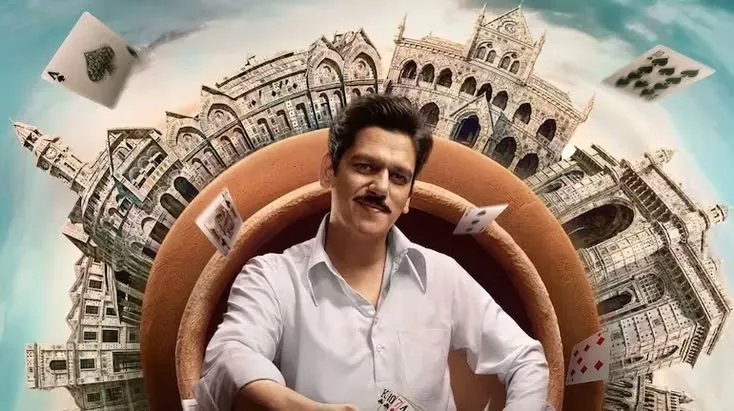
Transporting viewers to the smoke-filled gambling dens of 1960s Bombay, Matka King immerses audiences in an era when fortune favored the bold and desperation drove destiny. This sweeping period drama chronicles the meteoric ascent of Brij Bhatti, played with magnetic intensity by Vijay Varma, as he transforms a modest numbers racket into a citywide obsession. Inspired loosely by the controversial origins of the Matka system—which initially derived from cotton rate fluctuations at the New York Cotton Exchange—the series draws thematic parallels to real-life betting kingpin Ratan Khatri without delivering a straight biographical account. Created by Abhay Koranne and Nagraj Manjule, the narrative explores how ambition, when weaponized, can democratize vice while simultaneously destroying souls.
Story
At its narrative core, Matka King traces Brij Bhatti’s evolution from a frustrated cotton trader serving under the formidable Lalji Bhai Chaggani (Gulshan Grover) to the architect of Bombay’s most pervasive gambling empire. Fueled by contempt for his subservient position and an insatiable hunger for respect, Bhatti recruits the disgraced former soldier Dagdu (Siddharth Jadhav) and enters an unlikely partnership with Gulrukh (Kritika Kamra), a resilient widowed Parsi woman possessing strategic acumen. Together, they revolutionize Bombay’s betting culture by bringing Matka from exclusive backrooms into ordinary households, effectively monetizing the dreams of the working class.
The series excels when examining socio-economic themes, particularly the dangerous intersection of aspiration and exploitation. However, the storytelling occasionally stumbles under its own weight. Subplots involving cricket betting and Bollywood connections feel superfluous rather than enriching, creating narrative congestion that distracts from Bhatti’s psychological journey. Similarly, the trajectory of Bhatti’s younger sibling Lachu (Bhupendra Jadawat) follows disappointingly predictable beats, with his eventual betrayal telegraphed too early to generate genuine suspense. References to historical events like the 1975 Emergency remain largely cosmetic, failing to integrate meaningfully into the plot’s fabric. Pacing issues further hamper engagement, with certain episodes lingering unnecessarily on tangential developments that dilute the inherent tension of high-stakes gambling.
Performances
Vijay Varma anchors the production with a tour de force portrayal, capturing Bhatti’s internal conflict, calculated ambition, and gradual moral erosion with remarkable subtlety. Kritika Kamra imbues Gulrukh with dignified complexity and quiet strength, while Sai Tamhankar delivers emotionally resonant work as Barkha, Bhatti’s wife navigating the treacherous waters between marital loyalty and self-preservation. Gulshan Grover exudes menacing authority as the established power Lalji Bhai, and Siddharth Jadhav brings authentic grit and pathos to the role of Dagdu. The supporting ensemble, including Jamie Lever, Girish Kulkarni, and newcomer Simran Ashwini, contributes meaningfully to the rich character tapestry, elevating scenes even when the screenplay falters.
Behind the Lens
Visually, Matka King proves stunning. Cinematographer Sudhakar Reddy Yakkanti masterfully captures the dichotomy of old Bombay—juxtaposing bustling trading floors against clandestine gambling parlors with textured, atmospheric precision. The production design and period-appropriate costumes transport viewers convincingly to the era, creating an immersive sensory experience that compensates for occasional narrative slowdowns. Composer Amit Trivedi’s musical contributions, including tracks “Ho Ga Savera” and “Bhaga Re,” seamlessly blend with the narrative’s temporal setting, while his background score amplifies suspense without overwhelming key dramatic moments. The technical craftsmanship consistently outshines the script’s structural weaknesses.
Final Verdict
Matka King emerges as a compelling if imperfect addition to the period drama genre. The series triumphs through its exceptional ensemble cast, particularly Varma’s commanding presence, and its meticulously crafted atmospheric world that authentically resurrects 1960s Bombay. However, uneven pacing and predictable narrative choices prevent it from achieving true greatness. Despite these shortcomings, the drama offers a fascinating window into a pivotal chapter of Mumbai’s underground history, where dreams and desperation collided with the roll of a dice. For viewers seeking character-driven historical fiction with visual splendor and strong performances, this gamble largely pays off.