

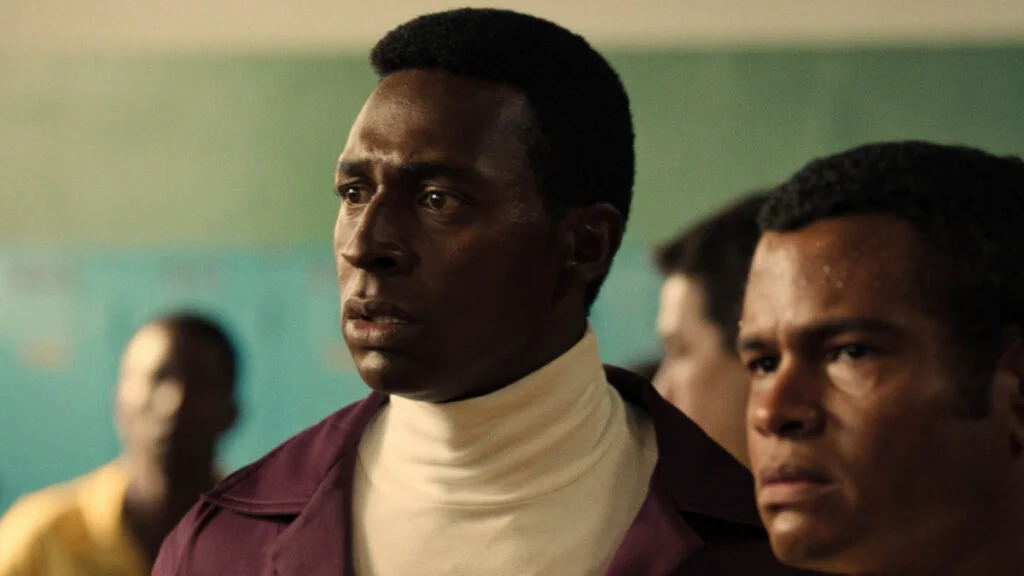
Netflix has released a compelling sports documentary series that takes viewers back to one of the most significant moments in football history. Brazil ’70: The Third Star chronicles the legendary journey of the Brazilian national team as they secured their third FIFA World Cup title in Mexico, becoming the first nation ever to achieve this remarkable feat.
Plot Overview and Context
Set across five gripping episodes, this documentary drama explores the intense preparation and historical significance of Brazil’s 1970 World Cup campaign. The narrative unfolds against the backdrop of Brazil’s military dictatorship, adding layers of political tension to the athletic competition.
The central figure remains Pelé, portrayed by Lucas Agrícola, whose performance captures the weight of an entire nation’s expectations. Alongside him, João Saldanha played by Rodrigo Santoro represents the controversial coach whose political ideologies created additional drama within the team dynamic.
Other notable cast members include Bruno Mazzeo as Zagallo, Ravel Andrade as Tostão, Gui Ferraz as Jairzinho, Daniel Blanco as Rivellino, and Julia Stockler in supporting roles. Together, these performers bring depth to the story of Brazil’s golden generation of footballers.
Human Elements Over Historical Results
What distinguishes this series from typical sports documentaries is its focus on the emotional preparation rather than match outcomes. Viewers already know Brazil won the 1970 World Cup, so the filmmakers intelligently concentrate on the human drama unfolding before the tournament.
The series excellently depicts the anxiety, frustration, and pressure experienced by players and coaching staff during qualification rounds and practice sessions. Each episode reveals vulnerabilities behind the seemingly invincible team, showing how even football legends faced doubt and hardship.
Performance Analysis
Lucas Agrícola delivers an impressive portrayal of Pelé. Beyond physical resemblance, he captures the psychological burden carried by someone considered the world’s greatest footballer. The performance reveals vulnerable moments beneath the athletic brilliance, portraying Pelé as a human being grappling with immense public expectations.
Similarly, Rodrigo Santoro’s depiction of João Saldanha stands out as equally compelling. His characterisation adds significant political and emotional dimensions to the storyline, particularly through scenes depicting disagreements about his coaching methods and team selection decisions.
While supporting players like Jairzinho, Rivellino, and Tostão receive reasonable screen time, dedicated viewers might wish for deeper individual exploration of these football icons.
Production Quality
The production team deserves commendation for authentically recreating the 1970s atmosphere. From detailed locker rooms to practiced training grounds and filled stadiums, every element transports audiences back five decades. Directors Quico Meirelles, Paulo Morelli, and Pedro Morelli successfully immerse viewers in the era’s mood.
Football sequences effectively utilize close-up techniques to generate genuine excitement, though some scenes appear overly dramatized compared to others. Repetitive use of slow-motion effects occasionally undermines realistic presentation, potentially disappointing viewers seeking authentic sports action.
Political and Social Commentary
Perhaps the series’ strongest aspect involves its nuanced portrayal of Brazilian societal conditions during that period. The documentary illustrates how Brazil’s political instability transformed the football team into symbols of national hope. The selective approach to political commentary succeeds because it explains circumstances without becoming overly preachy or divisive.
Wins on the pitch transcended mere sporting achievement, becoming metaphorical representations of Brazilian identity and aspiration during challenging times.
Critiques
Despite overall quality, the series has notable weaknesses. Excessive emphasis on Pelé sometimes overshadows other squad members. While supporting characters receive acknowledgment, dedicated followers might desire more substantial character development for legends like Jairzinho and Rivellino.
Additionally, inconsistent quality in football sequences ranges from thrilling to artificially dramatic. Perfect sports action enthusiasts may identify technical imperfections affecting authenticity.
Final Verdict
Brozil ’70: The Third Star merits viewing despite its flaws. The creators understand that meaningful sports narratives extend beyond victories—they involve personal struggles, team dynamics, and historical contexts. By emphasizing these elements, the documentary transcends simple match reenactments.
Football enthusiasts and specifically those appreciating Brazil’s rich sporting heritage should strongly consider watching this series. Despite knowing eventual results, viewers will appreciate the blend of drama, strong performances, and engaging storytelling. While perhaps not showcasing the absolute greatest football team at their absolute peak, the series provides meaningful glimpses into their legendary status.